
European Robin
Erithacus
Description
How to identify
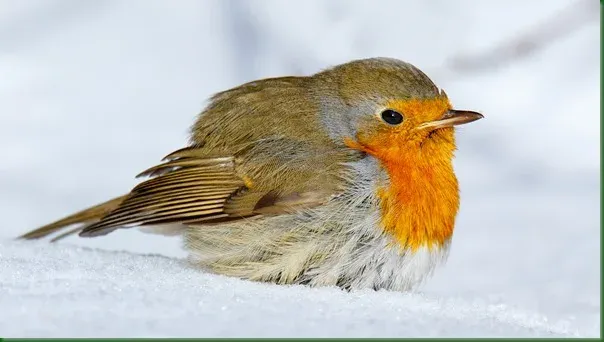
The European Robin (Erithacus rubecula) is a member of the Muscicapidae family within the order Passeriformes. It is a small bird easily recognized by its distinctive orange-red breast and face.
Adults typically measure 12–14 centimeters in length. They are highly territorial birds, actively defending their chosen patch of ground against intruders, particularly during the breeding season.
Robins are primarily insectivorous, with their diet consisting largely of invertebrates, including beetles, caterpillars, spiders, and earthworms found in the soil or among low-growing vegetation.
The breeding season typically lasts from April to July. Nests are well-concealed within dense bushes, tree hollows, or man-made structures, allowing them to remain elusive throughout the spring.
These birds have a high metabolic rate, requiring them to forage constantly. They spend most of their time at the ground level, probing leaf litter and soil, which makes them effective predators of many small insects.
What it damages
The European Robin is not considered a significant agricultural pest, as it does not consume vegetative parts of plants. However, it can occasionally damage soft fruit crops in late summer.
As natural insect populations decline, robins may supplement their diet with berries such as raspberries, strawberries, currants, and blackberries, often pecking at the fruit.
Damage is generally minor and sporadic, usually occurring during periods of food scarcity or when fruits ripen particularly early. In most cases, the impact on yield is negligible.
While pecked fruit loses its commercial value and becomes prone to fungal rot, the economic impact is rarely high enough to warrant drastic control measures in home gardens.
The positive role of the robin as a natural biological control agent against garden pests, such as weevils and harmful larvae, far outweighs any minor damage caused to fruit crops.
Signs of infestation
The primary sign of robin activity on fruit crops is the presence of small, sharp beak marks on the surface of ripe berries, which often lead to premature juice leakage.
Robins are active during the early morning and late evening. Their presence is easily identified by their melodic and persistent song or their sharp, ticking alarm call when disturbed.
Small bird footprints may be visible on damp soil in garden rows where they have been foraging for insects beneath the mulch or leaf debris.
Secondary signs include the attraction of other insects, such as wasps or ants, to the fruit clusters that have been partially damaged by birds, causing secondary rot.
The accumulation of bird droppings on the foliage of berry bushes or garden structures is a clear indicator that the area is frequented by these birds.
Control measures
Controlling or harming robins is not recommended, as they are protected species in many regions and provide essential ecological services by managing pest insect populations.
The most effective method for protecting fruit is the use of physical barriers, such as lightweight garden netting, which prevents birds from reaching the ripening berries.
Visual deterrents, including reflective tape, holographic discs, or moving scarecrows, can be placed around the garden to discourage birds from feeding in specific areas.
Adopting proper harvesting practices, such as picking berries as soon as they reach maturity, reduces the window of opportunity for birds to damage the ripening crop.
Providing alternative food sources, such as bird feeders placed far from the fruit patches, can help divert the attention of robins away from the vegetable and berry garden.
Taxonomy
- Latin name
- Erithacus
- Family
- Muscicapidae
- EPPO code
- ERTHSP
Discussion
No discussions yet — be the first.