
Lepidosaphes tiliae
Lepidosaphes tiliae
Description
How to identify
Lepidosaphes tiliae, commonly known as the linden scale, is a species of armored scale insect within the family Diaspididae. It is a specialized pest that primarily targets linden (lime) trees.
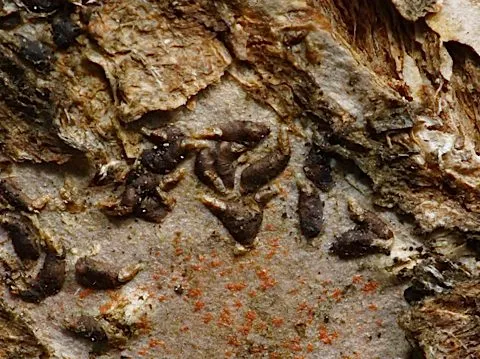
The adult female is protected by a characteristic comma-shaped scale, which serves as both a shield and a shelter for its eggs. These scales are typically dark brown to grey, blending perfectly with the bark of the host tree.
While females are sessile and lose their mobility, the males are small, winged insects that emerge only to fertilize the females during the mating season.
The first-instar nymphs, known as "crawlers," are the only stage with active mobility. They are microscopic, pale in color, and play a crucial role in spreading the infestation to new branches.
Due to their small size and cryptic coloration, these insects often go unnoticed until the infestation reaches a significant and damaging level.
What it damages
The linden scale feeds by inserting its specialized mouthparts into the tree's phloem, extracting essential nutrients and sap. This continuous drain weakens the host tree over time.
Heavy infestations can lead to the cracking and splitting of the bark, which provides entry points for various fungal pathogens and wood-boring insects, further endangering the tree's health.
Symptoms of damage include yellowing or chlorosis of the foliage, stunted growth of shoots, and the eventual dieback of infested branches.
In severe cases, the entire tree can become severely stressed, losing its aesthetic value and becoming more susceptible to environmental factors such as drought or frost.
While mature trees can often withstand moderate populations, young saplings or weakened trees are at high risk of mortality if the infestation is not managed properly.
When it appears
Lepidosaphes tiliae completes one generation per year. The insect overwinters in the egg stage, which remains protected under the parent scale on the bark.
In late spring or early summer, coinciding with the flowering period of linden trees, the crawlers emerge from beneath the maternal scales.
This crawler stage lasts only a short period, during which the nymphs migrate across the bark to find suitable spots for permanent attachment.
After settling, they initiate the construction of their own protective scales and begin their life as sedentary feeding organisms.
By late summer, the cycle is complete as the females mature, lay their eggs, and die, leaving the next generation protected for the winter.
Signs of infestation
The most obvious sign of an infestation is the presence of comma-shaped scales clustering on the twigs and trunks, often looking like a grayish layer on the bark.
Affected bark may show signs of abnormal roughness, desiccation, or peeling as the insects continue to drain the nutrients from the underlying tissues.
A thinning canopy and decreased leaf size are common indicators that the tree's vascular system is under pressure from the scale colonies.
If you suspect an infestation, you can scrape a small portion of the bark; if you find clusters of tiny eggs or soft-bodied insects, it confirms the presence of the pest.
Increased activity of secondary pests, such as bark beetles or wood-decay fungi, on a linden tree is a strong secondary indicator of a pre-existing scale problem.
Control measures
Chemical control is most effective when targeted at the crawler stage, as they lack the protective armor of the adult stage and are vulnerable to contact insecticides.
Systemic insecticides can be used to treat the tree, as they are absorbed by the plant tissues and provide longer-lasting protection against the feeding insects.
Cultural control involves the pruning and destruction of heavily infested branches, which helps to drastically reduce the initial population size.
Proper plant health care, including adequate irrigation and fertilization, ensures the tree remains robust enough to tolerate or recover from pest pressure.
Biological control agents, including various predatory beetles and parasitoid wasps, play a significant role in keeping scale populations in check in natural settings.
Taxonomy
- Latin name
- Lepidosaphes tiliae
- Order
- Hemiptera (bugs, aphids, leafhoppers)
- Family
- Diaspididae
- EPPO code
- LEPSTI
Discussion
No discussions yet — be the first.