
Gull
Larus
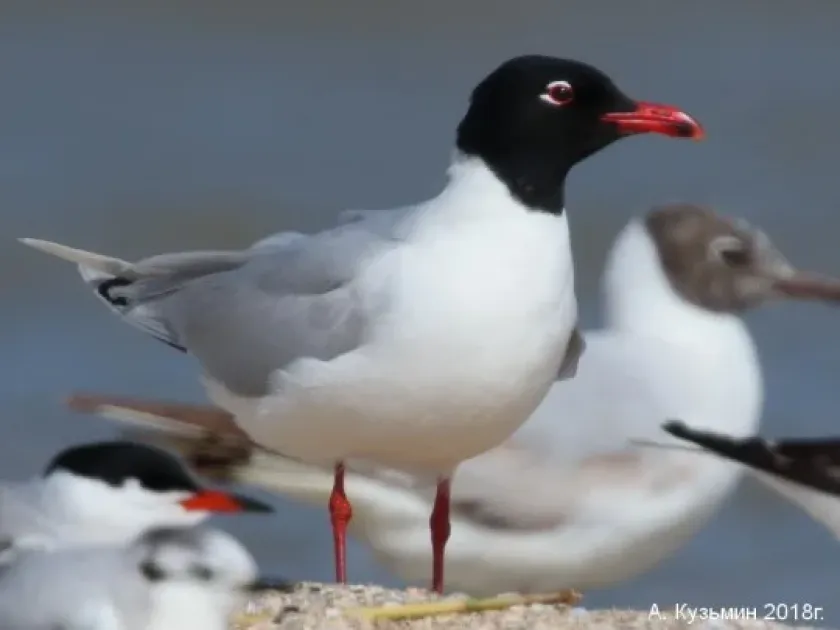
Description
How to identify
Gulls (genus Larus) belong to the family Laridae, order Charadriiformes. These are medium to large-sized birds characterized by strong bills and webbed feet, highly adaptable to various environments.
They are gregarious birds that often congregate in large flocks, which significantly increases their potential to damage agricultural land when foraging.
Typically, they possess white or gray plumage with black markings on their wingtips, making them easily identifiable while flying over crop fields.
Their biology is marked by high intelligence and dietary flexibility, allowing them to switch from natural aquatic food sources to agricultural seeds and seedlings.
Gulls often nest in colonies, leading to high population densities near coastal or inland agricultural regions, which creates constant pressure on local farming activities.
What it damages
Gulls can damage a variety of crops, including cereals, vegetables, and specialty crops, by feeding on seeds, sprouts, and mature produce.
The most severe damage occurs during the sowing season, as gulls consume seeds directly from the soil, leading to sparse plant stands and yield loss.
Young seedlings are often mechanically damaged by the trampling of foraging flocks, causing structural harm to the developing crops.
During the ripening stage, gulls may peck at fruits and vegetables, reducing their marketability and inviting secondary rot through physical wounds.
Fecal contamination from large flocks also poses a phytosanitary risk, as it can harbor pathogens that negatively affect the health of the cultivated plants.
When it appears
Gull activity on agricultural fields peaks during the spring, which coincides with sowing operations and the emergence of susceptible tender sprouts.
In the summer months, as crops approach maturity, birds are attracted to fields containing ripening grains and vegetables, necessitating increased surveillance.
Post-harvest periods also attract gull flocks that scavenge for leftover grain, keeping the pest pressure high even after the main work is completed.
Autumn migration can lead to sudden influxes of birds, potentially impacting winter crop establishment if the fields are not properly protected.
The intensity of the damage depends on the bird's life cycle and the proximity of nesting colonies to the agricultural production zones.
Signs of infestation
The primary sign of a gull infestation is the presence of large flocks of birds lingering in the fields during daylight hours.
Visual evidence includes small holes or rows of pits in the soil where gulls have been digging for seeds, often accompanied by scattered husks.
Patchy or missing plant populations in specific areas of the field are classic indicators of bird foraging activity in the early vegetative stage.
Visible fecal droppings on leaves and soil indicate that flocks have spent extended periods resting or foraging in those specific field sections.
Sudden, synchronized flight of a flock accompanied by loud vocalizations when farm machinery approaches is a clear signal of their active usage of the area.
Control measures
Managing gulls requires an integrated approach using a combination of visual, auditory, and structural deterrents to keep them away from crops.
Visual deterrents such as predator decoys and reflective materials are effective for disrupting the birds' sense of security in the field.
Auditory devices like propane cannons and bioacoustic systems broadcasting distress calls are essential for managing larger flocks during critical periods.
Improved agronomic practices, such as increasing seed planting depth, can make the seed less accessible to surface-feeding birds.
- Deploying bioacoustic bird deterrent systems.
- Using reflective tapes and deterrent kites.
- Implementing chemical taste-repellents.
- Adjusting planting depth to minimize seed exposure.
- Maintaining regular field patrols and monitoring.
Taxonomy
- Latin name
- Larus
- Family
- Laridae
- EPPO code
- LARUSP
Discussion
No discussions yet — be the first.