
Black thread scale
Ischnaspis longirostris
Description
How to identify
The black thread scale (Ischnaspis longirostris) is a member of the Diaspididae family, order Hemiptera. It is a highly specialized insect known for its distinct, extremely elongated morphology.
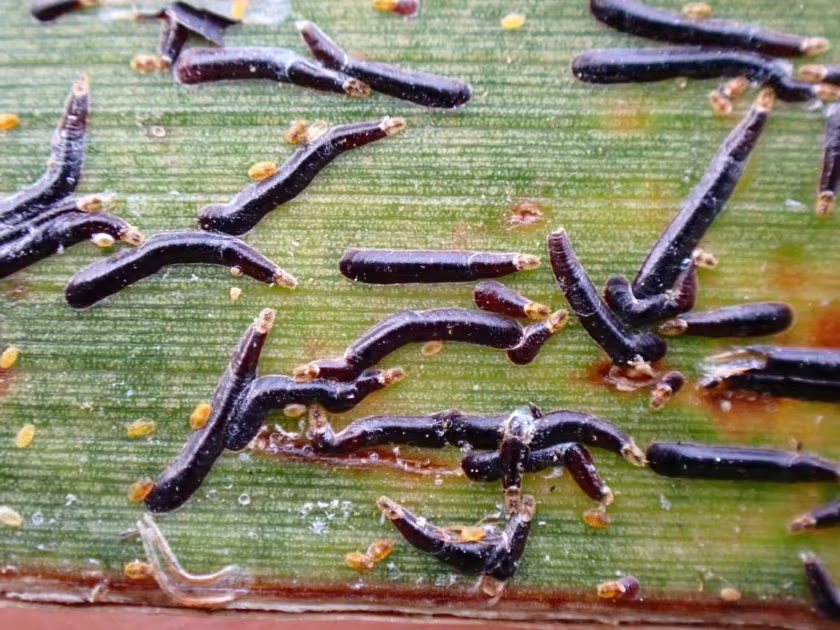
The adult female is characterized by a very narrow, thread-like body that can reach up to 3-4 mm in length, often appearing black or dark brown in color.
The scale cover is shiny, hard, and remarkably flat, with parallel sides that allow the insect to blend into the veins of the host plant leaves.
The crawlers (first instar nymphs) are pale yellow and actively move across the plant surfaces to find the most suitable feeding locations.
Field identification is often based on the observation of linear, black streaks lining the leaf veins, which is a hallmark behavior of this specific scale species.
What it damages
This pest is a major polyphagous insect that attacks a wide variety of tropical and subtropical plants, causing significant economic damage in greenhouses.
Common hosts include citrus trees, various palm species, coffee plants, and numerous ornamental houseplants such as Ficus and Monstera.
By inserting their mouthparts into the plant tissue, these insects extract vital phloem sap, leading to stunted growth and reduced plant vigor.
Severe infestations cause premature yellowing of the foliage, leaf drop, and, in young plants, potential decline or death if left untreated.
The excretion of honeydew promotes the growth of sooty mold, which covers the leaves in a black layer, obstructing photosynthesis and reducing the overall health of the plant.
When it appears
In greenhouses and interior environments, the black thread scale can reproduce continuously throughout the year, as stable temperatures favor non-stop development.
Outdoor populations are highly dependent on climatic conditions, with development cycles accelerating significantly during warm, humid weather patterns.
The peak activity of crawlers is usually synchronized with the plant's active growing season, providing ample nutrients for the successful establishment of new colonies.
Spread between plants is primarily mediated by crawlers, which can be easily moved by air currents, splashing water, or by contaminated gardening tools.
The number of generations per year is temperature-dependent; warmer environments shorten the life cycle, leading to rapid population explosions.
Signs of infestation
The presence of thin, black, stick-like insects arranged parallel to leaf veins is the primary indicator of an active black thread scale infestation.
Visible yellowing spots on the foliage at the feeding sites often merge into larger chlorotic areas as the population density of the scale increases.
Sticky residue (honeydew) found on the upper surface of leaves or on the floor beneath the plant is a clear sign of hemipteran feeding activity.
Affected plants frequently exhibit loss of vigor, poor terminal growth, and distortion of young leaves, which may become curled or stunted.
The presence of sooty mold on the leaves is a secondary sign that typically follows the buildup of honeydew-producing insects like the black thread scale.
Control measures
Effective management of black thread scale requires an integrated approach that focuses on exclusion, biological control, and chemical intervention.
Strict quarantine measures for incoming nursery stock are essential to prevent the accidental introduction of this pest into clean collections or greenhouses.
Chemical control usually involves the application of systemic insecticides that are absorbed by the plant, targeting the insects during their sap-sucking phase.
Biological control can be achieved by utilizing natural enemies, including specific parasitoid wasps that feed on the scale insects in their native habitats.
- Regular inspection and manual removal of infested leaves.
- Application of horticultural oils or insecticidal soaps to suffocate the insects.
- Sanitation of pruning tools to prevent the transmission of crawlers between healthy plants.
Taxonomy
- Latin name
- Ischnaspis longirostris
- Order
- Hemiptera (bugs, aphids, leafhoppers)
- Family
- Diaspididae
- EPPO code
- ISCPLO
Discussion
No discussions yet — be the first.