
Brown bullhead
Ictalurus nebulosus
Description
How to identify
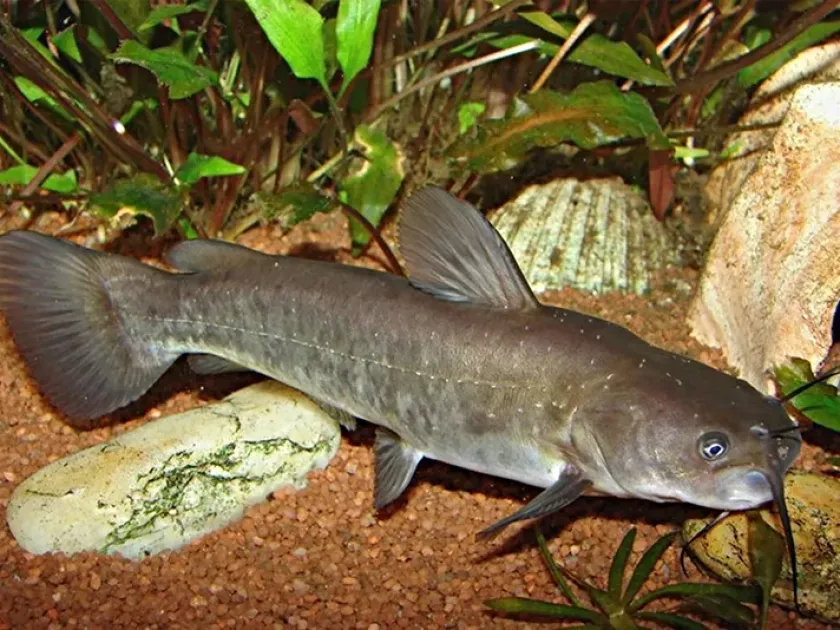
The brown bullhead (Ictalurus nebulosus) belongs to the order Siluriformes and the family Ictaluridae. It is a bottom-dwelling fish characterized by a stout, scaleless body.
A key identifying feature is the presence of four pairs of barbels around its mouth, which function as sensory organs in turbid, low-light water environments.
The species is distinguished by its dark brown to yellowish-olive color and the presence of sharp spines on its dorsal and pectoral fins, which can be dangerous to handle.
Adults typically range from 20 to 30 cm in length, exhibiting a high tolerance for stagnant or polluted water with low dissolved oxygen levels.
As an invasive species, it is highly resilient, able to colonize various habitats where native species often struggle to compete for resources.
What it damages
The primary damage in aquaculture involves the predation of fish eggs and larvae, significantly reducing the productivity of commercial fish ponds.
In irrigation infrastructure, bullheads cause structural damage by digging nests into embankments and canal walls, leading to bank erosion and potential collapses.
Their constant activity on the bottom causes high turbidity in the water, which reduces water quality and impacts the efficiency of agricultural irrigation systems.
Debris and waste generated by large populations can clog intake pipes and smaller irrigation channels, disrupting the flow of water to crops.
In rice paddies or similar flooded agricultural fields, their foraging behavior can damage plant root systems and destabilize the soil structure.
When it appears
Activity levels increase significantly during the spring and summer months when water temperatures rise above 15 degrees Celsius.
Spawning occurs during the late spring, a period marked by intense nesting activity that results in the highest level of physical damage to canal banks.
Throughout the summer, these fish remain highly active foragers, moving through shallow waters where they often intersect with agricultural water intake points.
Autumn activity remains moderate as they continue to feed actively, preparing for the winter by accumulating energy reserves in the form of body fat.
During the winter, populations settle into a state of dormancy, burying themselves deep within the mud of pond bottoms to await warmer weather.
Signs of infestation
Persistent turbidity in the water that does not clear up after periods of calm weather is a primary indicator of a brown bullhead infestation.
Visible depressions, burrows, or excavations along the muddy banks of irrigation channels serve as clear evidence of nesting and reproductive activity.
A noticeable decline in the populations of native fish or aquatic invertebrates within a managed pond often points toward bullhead dominance.
The presence of dense schools of dark-colored fry in shallow shoreline areas during early summer confirms successful breeding within the system.
Damaged aquatic vegetation, with roots exposed or uprooted, indicates consistent foraging and digging activities characteristic of this bottom-feeding fish.
Control measures
The most reliable control method involves systematic trapping and netting, especially during the spring spawning season when populations are localized.
Draining ponds and irrigation channels during the winter is a highly effective strategy to eliminate populations residing in the bottom sediment.
Introducing predatory fish species, such as northern pike or zander, can provide biological control by preying on young bullhead fry.
Installing fine-mesh screens or physical barriers at water intake points prevents the migration and spread of fish throughout the agricultural infrastructure.
Regular dredging and the maintenance of clear channels help minimize the availability of hiding spots and nesting sites, discouraging permanent colonization.
Taxonomy
- Latin name
- Ictalurus nebulosus
- Family
- Ictaluridae
- EPPO code
- ICTANE
Discussion
No discussions yet — be the first.