
Silver carp
Hypophtalmichthys
Description
How to identify
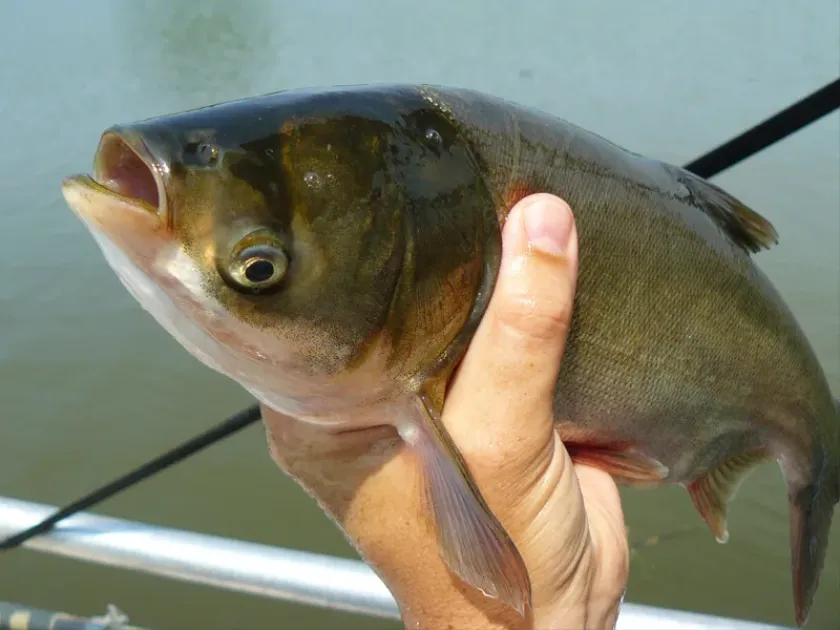
Silver carp (Hypophthalmichthys) is a large freshwater fish belonging to the Cyprinidae family and the Cypriniformes order. It is morphologically characterized by a broad head and eyes positioned low on the sides of the head.
The fish features a specialized gill-raker apparatus that functions as a fine filter. This physiological adaptation allows them to effectively strain phytoplankton and suspended microscopic plant particles from the water column.
These fish are highly active and thrive in well-warmed, nutrient-rich waters. Their movement patterns are highly sensitive to water temperature, peaking when the water reaches optimal growing temperatures.
In terms of lifecycle, young individuals feed primarily on zooplankton, gradually shifting their dietary preferences toward phytoplankton and soft aquatic macrophytes as they mature.
Reproduction typically requires flowing water conditions, which is a critical factor for land managers to consider when preventing overpopulation in static aquaculture ponds or reservoirs.
What it damages
The primary damage caused by silver carp in agricultural and ecological contexts is the excessive consumption of aquatic plants and phytoplankton, which are essential for ecosystem stability.
When stocking densities are high, silver carp can strip a water body of necessary aquatic vegetation, which is vital for providing shelter and spawning grounds for other native fish species.
By consuming large quantities of primary producers, they alter the food chain structure of the water body, potentially leading to the decline of other fish populations that rely on the same resources.
In aquaculture environments, silver carp may damage young shoots of intentional aquatic crops or beneficial vegetation, creating conflict in water resource management.
Furthermore, the high rate of nutrient cycling and potential for water quality degradation due to excessive feeding activity necessitate stringent density control measures to avoid ecosystem imbalances.
Control measures
Managing silver carp populations involves setting strict stocking quotas based on the specific water body's primary production capacity and environmental constraints.
Selective harvesting (culling) is the most effective method for controlling population density and preventing the dominance of large, high-consuming adults in the ecosystem.
The installation of physical barriers, such as mesh screens on water intake and discharge structures, is essential to prevent fish movement into restricted or ecologically sensitive areas.
Regular biological monitoring helps evaluate the impact of the current fish population on existing flora and guides decisions on required biomass reduction.
Integrated water management programs that focus on maintaining plant-fish equilibrium are crucial for protecting aquatic biodiversity and ensuring long-term sustainability of the water body.
Taxonomy
- Latin name
- Hypophtalmichthys
- Family
- Cyprinidae
- EPPO code
- HPHTSP
Discussion
No discussions yet — be the first.