
Hydrochus
Hydrochus
Description
How to identify
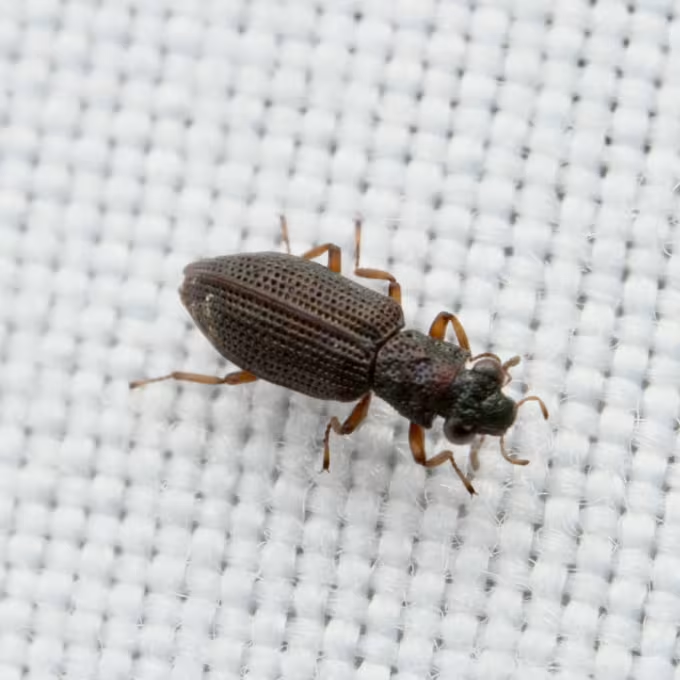
The Hydrochus genus belongs to the Hydrophilidae family, order Coleoptera. These beetles are relatively small, usually measuring between 3 to 5 mm in length.
The adult beetle is characterized by an elongated body shape and a distinct granular texture on the elytra, which often gives them a metallic or matte appearance.
The head is relatively large, featuring antennae with a clubbed tip, which are specialized for gathering air from the water surface.
The larvae possess a long body, a well-developed head with robust mouthparts, and three pairs of thoracic legs, enabling them to move effectively in aquatic environments.
Unlike larger relatives in the Hydrophilidae family, the Hydrochus genus is primarily found in shallow, stagnant water bodies with abundant vegetation.
What it damages
Damage is typically observed in coastal zones and areas where water-loving crops or seedlings are cultivated in water-saturated environments.
Both adults and larvae can damage young shoots and root systems of plants grown in wet soil or hydroponic conditions.
These beetles pose a significant threat to vegetable seedlings and young rice crops cultivated in flooded paddies.
Damage manifests as feeding marks on the stem tissues and root damage, which often leads to stunted growth or the eventual death of the plant.
While most Hydrochus are considered phytophagous or detritivores, their mass presence can cause substantial deformation to young crops.
When it appears
The activity of Hydrochus begins in early spring as soon as the water in stagnant reservoirs warms up to 10–12 degrees Celsius.
The population peak usually occurs in the first half of the summer, which coincides with the active breeding season and oviposition on aquatic plants.
The life cycle includes complete metamorphosis: egg, larva (going through several instars), pupa, and adult.
Adult beetles typically hibernate in the silt at the bottom of water bodies or in the moist debris of the coastal zone, emerging once the weather warms.
In warmer climates, one generation develops within 4 to 6 weeks, allowing the species to produce multiple generations per season.
Signs of infestation
The first sign of pest infestation is the appearance of small holes in the root collar area of plants growing in water or moist soil.
Another clear indicator is the presence of the insects themselves on the undersides of leaves that are situated just above the water level.
Sudden wilting of seedlings, despite sufficient soil moisture, is often a result of root damage caused by the larvae.
The presence of specific feeding channels or damaged tissues in the base area that darken over time due to secondary fungal infection is common.
- Stem tissue damage.
- Beetles present on leaves.
- Wilting seedlings.
- Root collar damage.
Control measures
The primary control method involves monitoring water levels and conducting timely drainage of irrigation channels to disrupt the pest's life cycle.
Clearing coastal areas of excessive vegetation is recommended, as this reduces the availability of substrates for egg-laying.
In cases of severe infestation, systemic insecticides authorized for use on aquatic or moisture-dependent crops should be applied.
Biological control includes the utilization of natural predators, such as dragonfly larvae and certain water bugs, which help manage the beetle population.
Practicing crop rotation and avoiding prolonged unnecessary flooding of fields significantly minimizes the risk of mass propagation.
Taxonomy
- Latin name
- Hydrochus
- Order
- Coleoptera (beetles)
- Family
- Hydrophilidae
- EPPO code
- HYCHSP
Discussion
No discussions yet — be the first.