
Hieroglyphus
Hieroglyphus
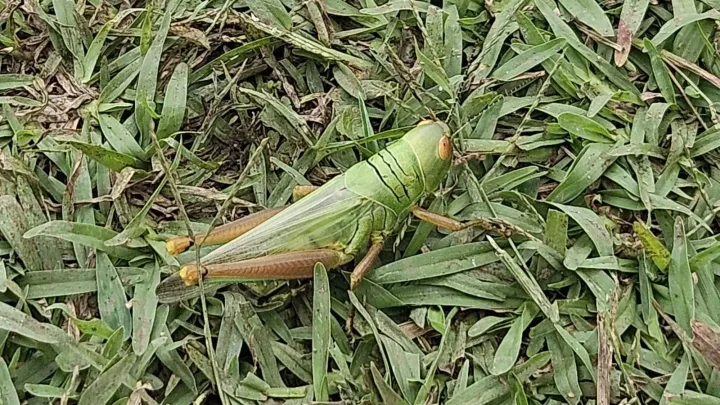
Description
How to identify
Hieroglyphus is a genus of insects belonging to the order Orthoptera and the family Acrididae (grasshoppers). These are robust insects characterized by strong, chewing mouthparts.
Adults typically display a greenish or brownish coloration, often featuring distinctive markings on the pronotum that resemble hieroglyphics, which inspired their common name.
Imagoes possess well-developed hind legs adapted for jumping and powerful wings that allow for significant flight distances in search of food resources.
Nymphs resemble the adults morphologically but are smaller in size and possess undeveloped wing pads, which enlarge through successive molting stages.
The life cycle encompasses an egg stage, often occurring in the soil during dormancy, followed by five nymphal instars and the mature adult stage.
What it damages
Hieroglyphus is a significant agricultural pest, primarily known for causing extensive damage to rice crops throughout various regions in Asia.
Beyond rice, these grasshoppers are known to feed on sugarcane, maize, sorghum, and various wild grass species found in surrounding areas.
The pest consumes all aerial parts of the host plant, showing a marked preference for young, succulent leaves and tender stems during periods of active growth.
Under conditions of mass outbreaks, these insects can completely defoliate crops, resulting in substantial yield loss or the total destruction of the harvest.
The mechanical damage inflicted by the insects often creates entry points for secondary pathogens, such as fungal and bacterial infections in weakened plants.
When it appears
The emergence of Hieroglyphus is closely tied to the start of the rainy season and the vegetative growth stage of cereal crops, which provides ideal conditions for nymph hatching.
Eggs are typically deposited into the soil at a depth of several centimeters, allowing them to survive dry, unfavorable periods in a state of diapause.
Nymph hatching usually coincides with weed germination or rice transplantation, ensuring an immediate and abundant food supply for the young insects.
Maximum adult activity is observed during mid-summer, the primary period for mating and egg-laying, which establishes the next generation.
In warm climates, the pest usually completes one generation per year, although favorable weather conditions may lead to overlapping cycles.
Signs of infestation
The primary sign of a Hieroglyphus infestation is the presence of irregular, ragged leaf edges on cereal plants, typical of grasshopper feeding activity.
During morning or evening observations, one can often spot the insects resting on leaves or stems, which readily jump when approached by humans.
Accumulated frass (insect excrement) on the leaf surfaces and around the base of the plants is a clear indicator of intensive feeding pressure.
High population densities lead to mass defoliation, where plants are stripped down to their central veins, causing them to wither rapidly.
Infections often show a clustered distribution pattern, with higher concentrations of insects found along field borders or irrigation canals.
Control measures
Managing Hieroglyphus requires an integrated pest management (IPM) approach that combines agronomic, biological, and chemical control measures.
Agronomic practices include deep plowing of fields during the off-season to destroy egg pods and the thorough removal of weeds along field margins and irrigation ditches.
Biological control methods focus on encouraging natural predators such as birds, predatory insects, and the application of entomopathogenic fungi.
When population levels exceed the economic injury threshold, the application of appropriate insecticides is necessary, following strict label regulations.
Effective monitoring through the use of pheromone traps or regular field scouting enables targeted spot treatments, reducing the need for broad-spectrum spraying.
Taxonomy
- Latin name
- Hieroglyphus
- Order
- Orthoptera (locusts)
- Family
- Acrididae
- EPPO code
- HIEGSP
Discussion
No discussions yet — be the first.