
Carrot cyst nematode
Heterodera carotae
Description
How to identify
The carrot cyst nematode, Heterodera carotae, is a specialized plant-parasitic roundworm belonging to the family Heteroderidae. Its most distinct feature is the formation of cysts, which are the hardened, tanned bodies of dead females that protect the eggs within the soil for many years.
These pests are microscopic in their mobile larval stages but become visible to the naked eye as tiny lemon-shaped bodies attached to the roots of the host plant. Proper identification often requires soil analysis or root examination during the peak growing season.
What it damages
The primary host for this nematode is cultivated and wild carrot. Other Apiaceae species, such as parsley and parsnip, can also be affected, making this pest a significant threat to specialized vegetable-growing regions where monoculture is practiced.
The nematode feeds on root tissues, which disrupts the vascular system and prevents the development of a smooth, uniform taproot. This feeding activity leads to stunted plant growth, leaf chlorosis, and severe yield losses in both quantity and quality.
When it appears
The life cycle is temperature-dependent, usually commencing when soil temperatures exceed 10°C to 12°C. Mobile second-stage larvae emerge from the protective cysts and migrate through the soil moisture film towards the carrot roots to initiate infection.
Under optimal conditions, the nematode completes its life cycle within a single season, producing a new generation of cysts that persist in the soil. These cysts remain dormant during winter and can survive for up to seven years without a host plant, complicating long-term management.
Signs of infestation
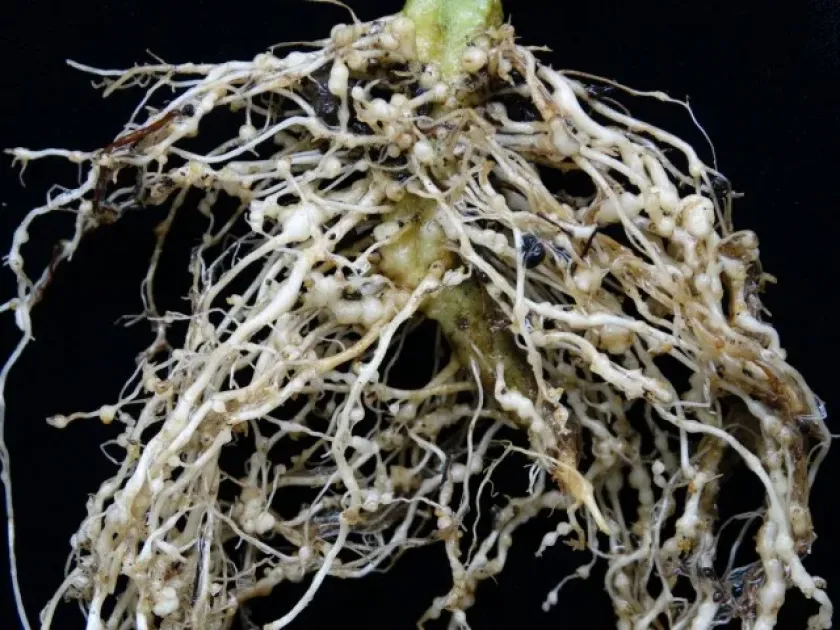
Infected fields typically show patchy growth where plants appear stunted, yellow, and prone to premature wilting. The roots themselves show excessive lateral branching and deformation, often referred to as "fanged" or "hairy" roots, which renders them unmarketable.
Upon closer inspection, the presence of numerous small, white to brown, cyst-like structures on the root system confirms an active infestation. These structures are most easily seen during the peak vegetative stage of the carrot crop.
Control measures
Effective management relies heavily on long-term crop rotation. By rotating away from Apiaceae crops for at least four to five years, growers can significantly reduce the nematode population density in the soil by starving the larvae.
Sanitation practices are equally important to prevent the spread of cysts via contaminated farm machinery or soil movement. Growers should ensure that all equipment is thoroughly cleaned before moving from an infested field to a clean one.
- Implement strict crop rotation schedules.
- Use certified clean seed and transplant materials.
- Incorporate organic amendments to promote beneficial soil microbes.
- Monitor soil samples regularly to determine nematode population levels.
- Avoid harvesting during wet conditions to minimize soil transport.
Taxonomy
- Latin name
- Heterodera carotae
- Order
- Nematodes
- Family
- Heteroderidae
- EPPO code
- HETDCA
Discussion
No discussions yet — be the first.