
Heterodera
Heterodera
Description
How to identify
Heterodera is a genus of plant-parasitic nematodes belonging to the family Heteroderidae, order Tylenchida. They are notorious soil-borne pathogens that affect many economically important crops.
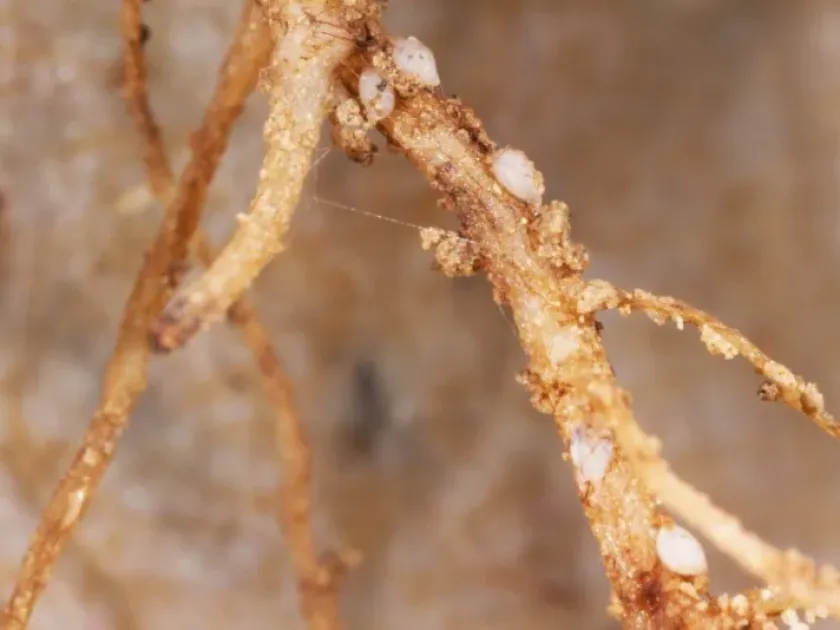
The life cycle involves the formation of a cyst, which is the dead body of the female nematode containing eggs. This cyst provides a robust protective barrier for the larvae.
Larvae enter the soil and seek out host plant roots, where they penetrate and begin to feed, causing the plant to form specialized feeding sites called syncytia.
The cysts can persist in the soil for many years in the absence of a host crop. This dormancy makes them extremely difficult to eradicate once a field is infested.
Accurate identification of the species requires specialized laboratory testing, as different Heterodera species have different host ranges and management requirements.
What it damages
Heterodera nematodes are highly host-specific. For example, the potato cyst nematode (Globodera/Heterodera group) primarily targets plants in the Solanaceae family.
By hijacking the plant's vascular system, the nematodes disrupt the flow of water and nutrients, leading to physiological stress and significant growth retardation.
Damage is often more severe in sandy soils and under conditions of drought or nutrient stress, where the plant's ability to compensate for root damage is limited.
The reduction in root function directly impacts the plant's ability to produce quality produce, leading to smaller tubers, stunted fruit, or lower grain yields.
In addition to direct damage, the root lesions caused by nematode feeding can serve as entry points for secondary fungal and bacterial soil pathogens.
Signs of infestation
A classic symptom of infestation is the appearance of stunted or chlorotic patches in a field where crops are visibly shorter than the rest of the field.
Wilting during the heat of the day, even when soil moisture is adequate, is a common indication that the root system is malfunctioning due to nematode damage.
Root systems often exhibit excessive lateral branching, creating a stunted, mat-like appearance that lacks a strong, healthy taproot or main root structure.
Visible cysts on the roots appear as tiny, pinhead-sized, white, yellow, or dark brown bumps. These are best observed during the active flowering stage of the crop.
Decreased tuber size in potatoes or reduced bulb development in other crops is a reliable signal that nematode pressure has significantly affected crop productivity.
Control measures
Long-term rotation is the most effective management strategy. Growing non-host crops for several years helps deplete the soil population of viable nematode cysts.
Planting resistant cultivars is highly recommended, as they limit the ability of the nematode to complete its life cycle and multiply within the root system.
Strict biosecurity measures, such as washing farm machinery before moving from infested to clean fields, are essential to prevent the spread of cysts via soil.
Chemical nematicides are generally restricted and used primarily in high-value horticulture due to their high cost and potential impact on soil microflora.
Integrated pest management (IPM) may include using trap crops or biological control agents like beneficial fungi to suppress nematode populations naturally.
Taxonomy
- Latin name
- Heterodera
- Order
- Nematodes
- Family
- Heteroderidae
- EPPO code
- HETDSP
Discussion
No discussions yet — be the first.