
Javan mongoose
Herpestes javanicus
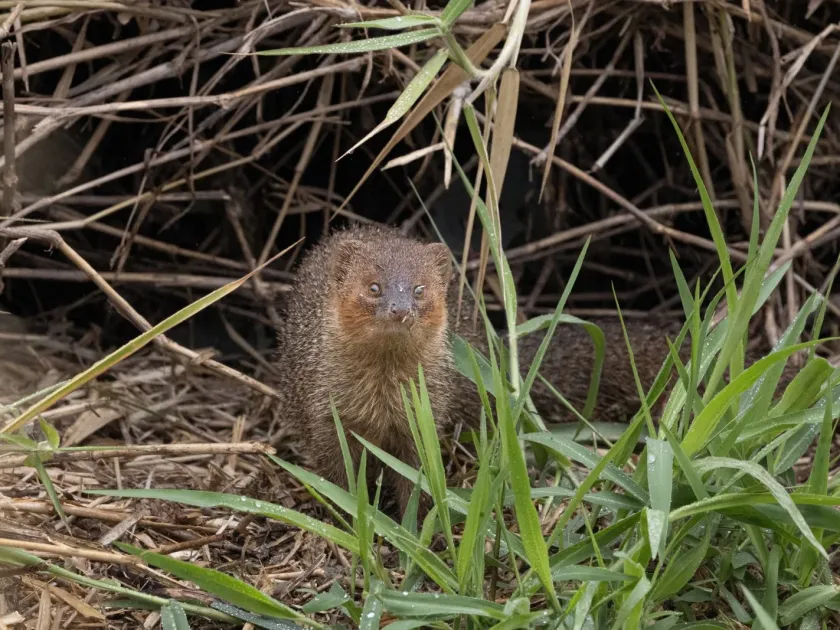
Description
How to identify
The Javan mongoose (Herpestes javanicus) is a small carnivore from the Herpestidae family. It features an elongated body, typically 30–40 cm long, covered in thick brown-toned fur. This physical structure allows it to navigate dense vegetation easily.
The animal possesses short legs with non-retractable claws and a pointed snout. Its tail is nearly as long as its body, acting as a balance tool during swift movements. This anatomy makes it a highly agile and elusive pest in agricultural settings.
Javan mongooses are known for their high adaptability to various habitats, including commercial plantations and surrounding woodland. They are primarily diurnal, making them active during the day when agricultural work is in progress.
Because they lack significant natural predators in regions where they have been introduced, their populations often grow rapidly. This has transformed them from an introduced biological control agent into a serious invasive pest species.
Identification is possible by observing their swift, darting movements through grass and their distinct high-pitched whistling or chirping sounds during group interactions.
What it damages
The Javan mongoose causes damage to agriculture both directly and indirectly. On plantations, they are known to raid crops such as sugarcane, often damaging the base of the stalks to reach internal juices.
They also feed on fruits like oil palm fruit and pineapples, significantly reducing the marketability of the produce. A small group of mongooses can consume or destroy a significant portion of a harvest in a very short timeframe.
Beyond crop destruction, they pose a severe threat to poultry farms by killing birds and consuming eggs. This forces farmers to invest heavily in predator-proof infrastructure to protect their livestock.
Furthermore, they disrupt the local ecosystem by predating on insectivorous birds and other beneficial wildlife. This loss of natural pest controllers can lead to an increase in insect-related damage to crops.
- Sugarcane (stalk damage);
- Oil palm (fruit consumption);
- Pineapple plantations;
- Poultry farms.
When it appears
The Javan mongoose is active year-round, as it thrives in tropical and subtropical climates. They do not undergo hibernation, maintaining their activity levels throughout all seasons.
Peak activity often coincides with the fruit ripening period, when crops provide an abundant food source. During this time, they tend to aggregate near cultivated lands to maximize feeding efficiency.
With a breeding cycle that can occur twice annually, their population numbers can rebound quickly after control measures. The emergence of young often aligns with peak agricultural growing seasons.
Migration patterns are typically linked to water availability during dry seasons. Irrigated fields often become hotspots for these animals, as they require consistent hydration.
Agronomists should plan protection measures in anticipation of these peak activity periods, particularly shortly before harvesting begins to minimize pre-harvest losses.
Signs of infestation
The most prominent sign of their presence is the existence of burrows under root systems or within embankments near plantations. Well-trodden paths through tall grass and dense thickets indicate frequent traffic.
Signs of feeding include damaged fruit, such as pineapples or oil palm fruits, with clear tooth marks on the skin. Partially eaten remains are frequently left at the base of the damaged plants.
On sugarcane plantations, gnawed stalks that appear mechanically damaged are a strong indicator of mongoose activity. Fecal deposits along their main travel routes are also common evidence.
A decline in ground-nesting bird populations and the disappearance of eggs from nests on the ground are reliable secondary signs of a resident mongoose population.
Auditory signs, such as short series of chirps or sharp whistles in the early morning or evening hours, often alert farmers to the proximity of these predators.
Control measures
Controlling the Javan mongoose requires a multifaceted strategy. Due to their agility and alertness, simple traps are the most common mechanical method used to regulate local numbers.
Effective physical protection involves installing fine-mesh fencing that is buried in the soil, preventing the animals from digging under barriers. Maintaining clear edges around fields by mowing weeds removes their hiding spots.
Biological control is rarely effective because the mongoose is often at the top of the food chain in its introduced range. Using trained dogs for deterrent purposes provides only temporary relief.
The use of chemical baits is highly restricted due to the high risk of secondary poisoning to non-target species, including domestic pets and native wildlife. Professionals should always manage any baiting programs.
The most sustainable method for long-term control is sanitation: removing food waste and debris from farm perimeters significantly reduces the attractiveness of the site to the mongoose.
Taxonomy
- Latin name
- Herpestes javanicus
- Family
- Herpestidae
- EPPO code
- HRPSJA
Discussion
No discussions yet — be the first.