
Mongoose
Herpestes
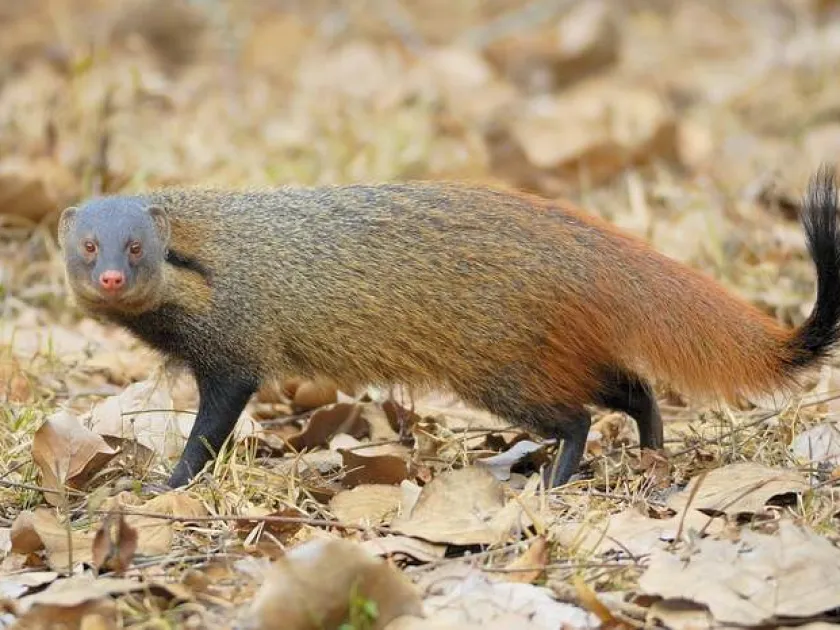
Description
How to identify
The mongoose is a member of the Herpestidae family within the order Carnivora, known for its agile body and high predatory intelligence.
In many agricultural regions, they are considered invasive species that have been introduced and subsequently disrupted local ecosystems.
They are characterized by their small size, elongated bodies, and alert behavior, which allows them to thrive in diverse environments.
Their physical structure enables them to move quickly through dense agricultural vegetation and exploit small crevices for shelter.
Mongoose activity is primarily diurnal, and they are highly adapted to scavenging and hunting in both wild and cultivated areas.
What it damages
The primary agricultural impact of the mongoose is the predation on ground-nesting birds that provide natural insect pest control.
By decimating bird populations, mongooses indirectly lead to increased damage from insect pests on crops and orchards.
They cause significant economic losses by raiding poultry farms and attacking small livestock kept in unsecured premises.
Their burrowing activities can lead to the structural degradation of earthen farm structures and irrigation embankments.
Furthermore, they serve as potential vectors for zoonotic diseases, creating a health risk for farmers and livestock.
Control measures
Management strategies focus on physical exclusion, such as installing robust fencing to keep these predators out of poultry and storage zones.
Implementing proper sanitation practices to minimize food sources for these scavengers is crucial to preventing local population growth.
- Use of live-capture traps in accordance with local regulations.
- Application of ultrasonic repellents near sensitive livestock areas.
- Clearing brush and dense vegetation near farm boundaries.
Monitoring programs are essential to detect early arrival and establish immediate removal efforts for invasive mongoose groups.
Cooperation with regional pest management agencies is recommended to ensure that control methods are both effective and legally compliant.
Taxonomy
- Latin name
- Herpestes
- Family
- Herpestidae
- EPPO code
- HRPSSP
Discussion
No discussions yet — be the first.