
Hanseniella
Hanseniella
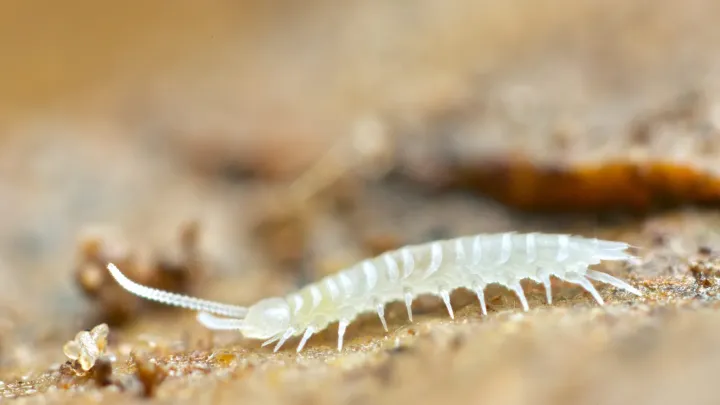
Description
How to identify
Hanseniella belongs to the class Symphyla, often referred to as symphylans or garden centipedes. These are tiny soil-dwelling arthropods that usually grow to about 5–8 mm in length.
Their bodies are slender, elongated, and white or translucent, consisting of multiple segments. Adults typically possess 12 pairs of legs, which allows them to move rapidly through the pore spaces in the soil.
They lack eyes, relying on their long, constantly vibrating antennae to navigate their dark, moist habitat. They are extremely sensitive to light and will immediately seek shelter if exposed.
Their life cycle includes several molts; notably, unlike many other insects, symphylans continue to molt throughout their entire adult lives. Eggs are laid in clusters in deep soil crevices.
To identify their presence, agronomists often use bait stations with raw potato slices or beet pieces buried in the soil, which attract the pests and reveal the infestation level.
What it damages
Hanseniella is a notorious polyphagous pest, causing significant damage to a wide range of agricultural crops, particularly in greenhouse environments and nurseries where soil moisture is high.
Common host plants include tomatoes, cucumbers, lettuce, peppers, and various root vegetables. They are particularly devastating to young seedlings with delicate root systems.
The damage is caused when the pests feed on the root hairs and epidermal cells of the roots. This feeding significantly hinders the plant’s ability to take up water and vital nutrients.
The feeding sites create lesions that serve as entry points for secondary pathogens, such as soil-borne fungi and bacteria, which often cause severe root rot and total crop failure.
Stunting is the most visible impact on the plant. When the root system is decimated, the plant can no longer support its vegetative growth, leading to yellowing, wilting, and reduced yields.
When it appears
The activity of Hanseniella is heavily dependent on soil temperature and moisture. They thrive in temperate conditions ranging from +15°C to +22°C with high soil humidity.
In greenhouses, where climate conditions are controlled, these pests can be active year-round. In open-field settings, their activity peaks during the spring and autumn months.
During colder months or dry spells, they migrate deeper into the soil profile, sometimes descending to depths of 50 cm or more to find stable moisture and temperature levels.
Heavy rains or excessive irrigation often trigger migration back toward the surface. As soil warms and roots begin to grow in the spring, the pests congregate in the rhizosphere.
Effective management requires tracking these vertical migrations, as their depth changes according to the environmental conditions throughout the growing season.
Signs of infestation
The most common sign of a Hanseniella infestation is the uneven or stunted growth of crops. Plants may appear permanently wilted, even if the soil is adequately moist.
Upon careful inspection of the roots, one may notice the absence of small feeder roots and the presence of irregular lesions or brown spots on the taproot and primary root branches.
If you disturb the soil around the base of a struggling plant, you might see small, white, fast-moving organisms scattering to avoid the light.
Chronic infestations make plants susceptible to environmental stress, and they often show poor response to fertilization due to the compromised root uptake system.
- Stunted plant height and reduced leaf development.
- Wilting symptoms despite sufficient irrigation.
- Root necrosis and high incidence of root rot.
- Failure of seedlings to thrive during transplantation.
Control measures
Cultural management is the primary defense. Maintaining optimal irrigation is crucial; avoiding waterlogged conditions helps reduce the suitability of the soil for symphylan reproduction.
Regular cultivation and tilling of the soil disrupt the tunnels and galleries used by Hanseniella, exposing them to predators or causing them to move deeper away from the root zone.
Liming acidic soils has shown efficacy, as these pests prefer slightly acidic, humus-rich soil environments. Adjusting the pH can create a less hospitable environment for them.
Chemical control usually involves soil-incorporated insecticides applied before planting. It is essential to ensure that the chemical reaches the target depth where the pests reside.
Biological controls, including entomopathogenic fungi and predatory mites, are becoming increasingly common. These natural enemies can significantly suppress populations if applied correctly.
Taxonomy
- Latin name
- Hanseniella
- Order
- Hemiptera (bugs, aphids, leafhoppers)
- Family
- Scutelleridae
- EPPO code
- HANLSP
Discussion
No discussions yet — be the first.