
Gyropsylla
Gyropsylla
Description
How to identify
Gyropsylla is a genus of jumping plant lice within the Psyllidae family. These insects are characterized by their small size, specialized jumping legs, and a hemimetabolous life cycle.
Adult insects have transparent wings folded over their backs in a tent-like fashion. They possess piercing-sucking mouthparts, which they use to feed on the phloem of host plants.
The biology of Gyropsylla is typically host-specific. One notable species, Gyropsylla spegazziniana, is primarily known to affect plants in the Ilex (holly) genus.
Nymphs of this genus are often covered in waxy secretions. These secretions act as a physical barrier against natural predators and environmental stressors, making them harder to target with insecticides.
Their life cycle consists of the egg, nymph, and adult stages. The timing of each stage is heavily dependent on regional temperatures and the availability of succulent new plant growth.
What it damages
Gyropsylla primarily targets holly species. They are sap-sucking insects that focus their feeding activities on tender young shoots and newly formed leaves.
As they feed, they extract vital nutrients from the host plant, which stresses the plant and inhibits healthy tissue development, leading to stunted shoots and overall poor vitality.
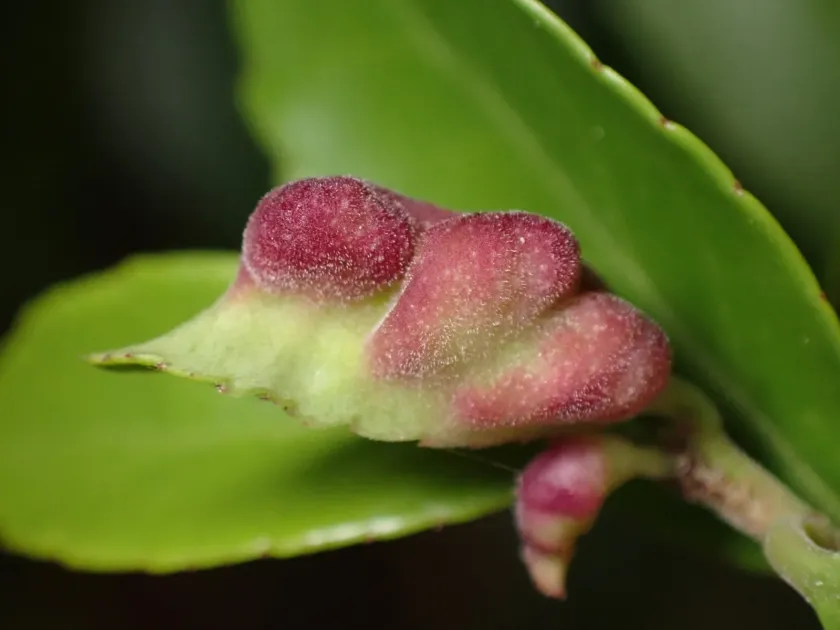
A specific form of damage includes the creation of galls on leaves. These abnormal growths are caused by the insect's feeding behavior and disrupt the plant's normal metabolic processes.
The excretion of honeydew by the insects creates a sticky surface on the foliage, which subsequently facilitates the growth of sooty mold, a fungus that further inhibits photosynthesis.
In severe infestations, the cumulative damage—including leaf deformation, nutrient loss, and mold growth—can lead to significant defoliation and may jeopardize the health of the entire plant.
When it appears
The seasonal activity of Gyropsylla usually begins in early spring, synchronized with the start of the plant's new growth cycle as temperatures rise above 10-12°C.
Peak population levels typically occur during late spring and early summer when the plant provides an abundance of succulent foliage for the nymphs to feed upon.
Depending on the climatic zone, the pest may complete multiple generations within a single growing season, leading to persistent infestations if not monitored effectively.
Autumn brings a decline in activity as the insects transition into their overwintering phase, often seeking shelter in bark crevices or remaining on evergreen foliage until the following spring.
Early-season monitoring is crucial, as the first signs of activity often coincide with the breaking of plant buds, which serves as the primary window for preventative measures.
Signs of infestation
The most distinctive sign of infestation is the curling or distortion of leaves, often forming pockets or galls where the nymphs reside and feed protected from external factors.
Sticky honeydew residues found on the upper surface of leaves are a clear indicator of the presence of sucking insects, including Gyropsylla, colonizing the foliage above.
The appearance of black, dusty sooty mold on the leaves is a secondary but highly visible sign that indicates the presence of honeydew-producing insects on the plant.
Premature leaf drop and the presence of brittle, discolored shoots during the peak growing season are strong indicators that the plant is under significant stress from a pest population.
Close visual inspection of the underside of leaves or within curled foliage will usually reveal the presence of small, waxy-covered nymphs moving slowly across the leaf tissue.
Control measures
Effective management begins with mechanical control, such as the pruning and removal of infested shoots, which helps to reduce the immediate population pressure on the plant.
Systemic insecticides are generally the most effective chemical intervention, as they are absorbed by the plant and kill the insects as they feed on the sap.
When applying contact-based treatments, the use of surfactants or adjuvants is recommended to help the product penetrate the waxy protective layer of the nymphs.
Promoting a healthy environment for natural predators, such as ladybugs and lacewings, can provide biological control that suppresses the population of psyllids naturally over time.
Consistent monitoring using yellow sticky traps can help detect the arrival of adult insects, allowing for timely intervention before the pest can lay eggs and establish a new generation.
Taxonomy
- Latin name
- Gyropsylla
- Order
- Hemiptera (bugs, aphids, leafhoppers)
- Family
- Aphalaridae
- EPPO code
- GYRPSP
Discussion
No discussions yet — be the first.