


Reference · Pests
Psyllidae
Psyllids, also known as jumping plant lice (family Psyllidae), are small hemipteran insects that can be highly destructive to agricultural and ornamental plants. With their specialized hind legs designed for jumping, they are highly mobile, allowing them to spread rapidly across crops and orchards if left uncontrolled.
65
items
What the section contains
Marketplace
Products in this section · 12




Psyllidae
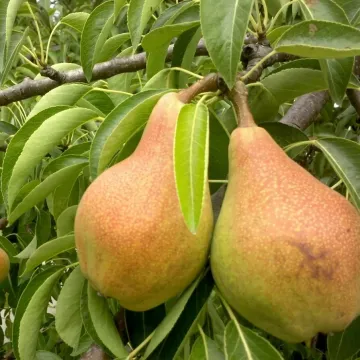
These pests target a wide variety of plants, including fruit trees like apples, pears, and citrus, as well as various herbaceous crops. They usually cluster on new growth, developing leaves, and floral buds, where they feed by piercing plant tissue and extracting phloem sap, which is essential for the plant's structural development and fruit production.
The life cycle of a psyllid involves incomplete metamorphosis, moving from egg to nymph and finally to the adult stage. Many species overwinter as adults in protected environments, such as bark crevices or ground debris. Upon spring, they migrate to host plants to lay eggs. The nymphs, often referred to as nymphs of jumping plant lice, settle in colonies and produce a protective waxy or sugary substance.
The damage caused by psyllids is twofold: direct feeding damage and the accumulation of honeydew. The feeding leads to stunted growth, leaf curling, and chlorosis. The honeydew excreted by the nymphs facilitates the growth of sooty mold, which blocks sunlight from the leaf surface, further inhibiting photosynthesis and significantly reducing the overall yield and fruit marketability.
To control psyllid populations, a combination of cultural and chemical strategies is recommended. Cultural practices, including pruning and clearing orchard debris, reduce overwintering sites. Chemical control involves the timely application of insecticides when nymphs are in their most vulnerable stages. Integrated pest management (IPM) should also incorporate the encouragement of natural predators, such as lady beetles and lacewings, which can significantly suppress psyllid numbers.