
Gonometa postica
Gonometa postica
Description
How to identify
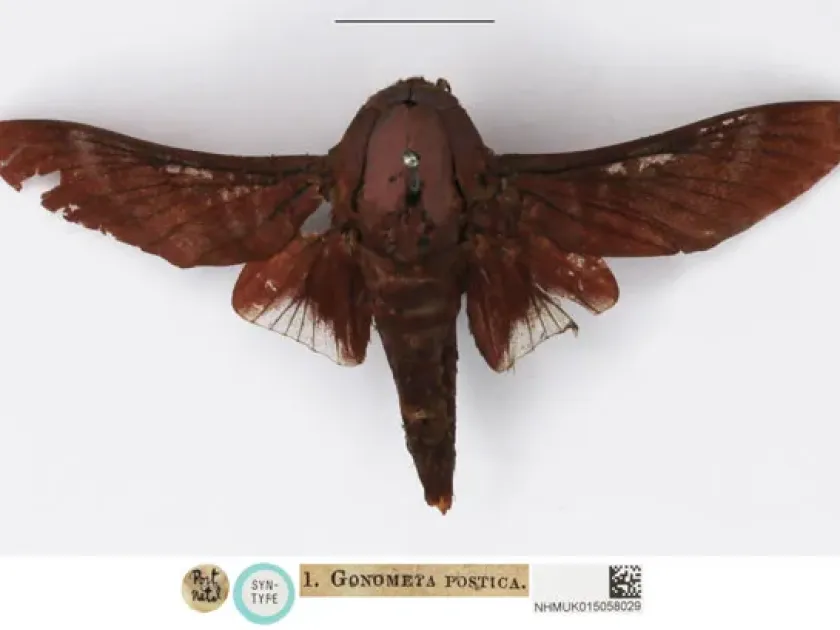
Gonometa postica is a moth species within the family Lasiocampidae, commonly referred to as the African silkworm or forest pest moth. These insects are known for their significant impact on woody vegetation.
Adult moths are typically nocturnal and possess cryptic coloration that provides camouflage against tree bark, making them difficult to spot during the daylight hours.
The larvae are characterized by urticating hairs that can cause severe skin and eye irritation to humans and animals upon contact, posing a health risk during handling.
The life cycle encompasses a full metamorphosis: egg, larva, pupa, and adult. The larval stage is responsible for the majority of the damage caused to host plants.
Pupation occurs within dense, silk-like cocoons that are often attached to branches or stems, providing the insect with protection against environmental stressors and many predators.
What it damages
Gonometa postica primarily feeds on plants in the Fabaceae family, with various species of Acacia being the most significant targets in their natural range.
Larval feeding can lead to severe defoliation of trees, which depletes the plant's energy reserves and impairs its ability to grow and produce secondary metabolites.
Continuous attacks by this pest weaken the trees, making them susceptible to secondary infestations by wood-boring insects and pathogenic fungi.
Economic losses are notable in agroforestry, particularly where gum arabic or timber is harvested, as tree vitality and productivity are directly linked to leaf health.
In cases of large-scale outbreaks, the loss of vegetation cover can lead to soil erosion and degradation of the overall ecosystem structure in affected areas.
When it appears
The emergence and activity of adult Gonometa postica are often synchronized with the onset of seasonal rainfall, which provides the necessary humidity for development.
Larval activity coincides with periods of lush vegetative growth, ensuring a high availability of nutritious foliage to support rapid larval development.
Climate variables significantly influence the pest's life cycle, with longer dry periods often inducing diapause in the pupal stage until conditions improve.
Field monitoring is crucial during the transition periods between seasons to predict population spikes and initiate timely management interventions.
Managing the timing of activity is key; understanding the flight patterns of the moths helps in setting up effective monitoring and trapping programs.
Signs of infestation
Defoliation is the most visible sign of an infestation, ranging from localized leaf damage to the complete stripping of entire branches.
The presence of frass (caterpillar droppings) on the ground beneath tree canopies is a clear indicator of a significant larval population feeding above.
Clusters of tough, silk-like cocoons observed on branches or trunks are distinct indicators of an active or recent infestation cycle.
Increased activity of avian predators or parasitoid wasps in specific areas can serve as a biological indicator of high caterpillar density.
Skin irritation experienced by workers in the field often serves as a practical, albeit uncomfortable, sign of the presence of the larvae.
Control measures
Biological control using microbial insecticides, specifically those containing Bacillus thuringiensis, is the preferred method for managing larval populations.
Manual removal and destruction of cocoons during the dormant season can effectively reduce the potential population size for the upcoming cycle.
Pheromone-based trapping systems are useful for monitoring adult moth populations and identifying the precise timing for targeted control measures.
Promoting a healthy ecosystem that supports natural predators, such as wasps and birds, is essential for long-term sustainable management of the pest.
Judicious and limited use of chemical insecticides should only be considered as a last resort in extreme outbreaks to preserve the beneficial insect community.
Taxonomy
- Latin name
- Gonometa postica
- Order
- Lepidoptera (butterflies)
- Family
- Lasiocampidae
- EPPO code
- GONMPO
Discussion
No discussions yet — be the first.