
Gomphocerus
Gomphocerus
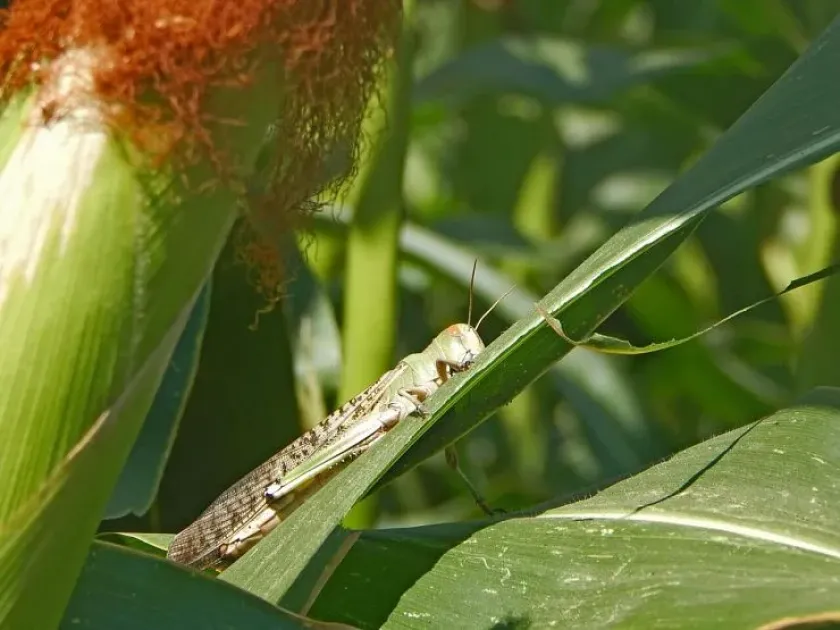
Description
How to identify
Gomphocerus is a genus of grasshoppers belonging to the family Acrididae (short-horned grasshoppers). They are medium-sized insects, often displaying cryptic coloration that helps them blend perfectly with dry grasses and soil surfaces.
A distinct morphological feature of this genus is the shape of the antennae in males, which typically feature club-like thickenings at the tips, aiding in their identification among other grasshopper species.
The life cycle consists of three stages: egg, nymph, and adult. Females deposit eggs in the soil within protective cases called egg pods, favoring sunny, dry areas with sparse vegetation for successful incubation.
Development involves incomplete metamorphosis. Upon hatching, nymphs resemble smaller, wingless versions of the adults, undergoing several molts before reaching maturity and developing fully functional wings.
These insects are most active during warm, sunny weather, when they exhibit high mobility and intensive feeding patterns throughout the daylight hours.
What it damages
Gomphocerus species are polyphagous, meaning they feed on a diverse array of plant species. They pose a significant threat to cereal crops, including wheat, barley, oats, and various forage grasses.
During outbreaks, these grasshoppers can cause substantial economic losses by stripping entire fields of foliage, which impacts both yield volume and the quality of the harvested grain.
Young seedlings are particularly vulnerable; severe infestation can lead to total crop loss, necessitating costly reseeding and disrupting the planned agricultural cycle.
Beyond leaf consumption, these pests often damage the reproductive structures of plants, including grain heads, which can reduce seed viability and introduce fungal pathogens into the plant tissues.
When primary food sources dry out, populations may migrate from marginal lands or pastures into high-value crop fields, extending the window of potential damage throughout the season.
Signs of infestation
The primary sign of a grasshopper infestation is the appearance of ragged leaf margins or large, irregular holes in the plant foliage caused by their chewing mouthparts.
Visual observation in the field usually reveals the insects jumping or flying away upon disturbance, especially during mid-day when they are most active in the canopy.
In cases of heavy pressure, plants may show signs of severe defoliation, with only the main veins or stems remaining, which prevents proper growth and development of the crop.
The presence of grasshopper frass (excrement) on the soil surface or lower leaves serves as a clear indicator of active feeding colonies within the crop field.
Field margins and areas with sparse vegetation are often the first places to exhibit damage, as these spots provide ideal microclimates for the nymphs to aggregate and feed.
Control measures
Effective control starts with cultural practices, such as deep autumn plowing, which disrupts egg pods buried in the soil and significantly reduces the number of nymphs emerging the following spring.
Maintaining clean field borders by removing weeds and tall grass reduces the availability of secondary host plants, forcing the insects to move to less hospitable areas.
When monitoring indicates that the population has exceeded economic thresholds, the application of registered insecticides is recommended to prevent widespread crop damage.
Early intervention is critical; targeting the younger nymphal stages provides the highest efficacy, as they are less mobile and more susceptible to control measures than adult grasshoppers.
- Regular field scouting using sweeping nets.
- Monitoring weather patterns to predict hatching peaks.
- Integration of biological controls and botanical insecticides.
Taxonomy
- Latin name
- Gomphocerus
- Order
- Orthoptera (locusts)
- Family
- Acrididae
- EPPO code
- GOMPSP
Discussion
No discussions yet — be the first.