
Gudgeon
Gobio
Description
How to identify
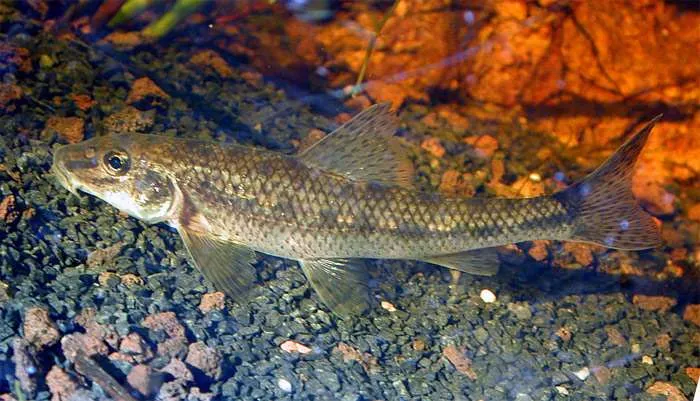
The common gudgeon (Gobio gobio) is a small freshwater fish of the Cyprinidae family. It is easily identified by its elongated, cylindrical body.
The mouth is positioned ventrally, equipped with two sensory barbels, which are characteristic of this species.
Its coloration consists of a brownish-green back with a series of dark spots along the lateral line and a silvery-white abdomen.
They inhabit clean, flowing waters with sandy or gravelly bottoms, rarely staying in muddy environments.
Gudgeons typically reach a length of 10 to 15 centimeters and possess relatively large scales for their size.
What it damages
While not a plant pest, the gudgeon is considered a nuisance in aquaculture and closed-loop hydroponic systems.
They consume the spawn of valuable fish species, significantly reducing the survival rate of fry in fish farms.
Their bottom-feeding behavior stirs up sediments, leading to water turbidity which inhibits the growth of submerged aquatic plants.
Gudgeons act as vectors for various aquatic parasites that can contaminate commercial water systems and sensitive crops.
In irrigation setups, their presence can lead to mechanical failures in pumping stations due to the accumulation of organic debris.
When it appears
The species is most active during the warmer months, from late spring through early autumn, when metabolism is at its peak.
During the winter, they retreat to deeper, quieter areas of water bodies where they remain semi-dormant.
Spawning occurs between April and June, during which time the fish become highly active in shallow waters.
Seasonal shifts in water levels often trigger migrations, bringing gudgeon populations into agricultural supply canals.
Peak feeding times occur during the low light conditions of dawn and dusk throughout the summer season.
Signs of infestation
Increased water turbidity near the bottom is a primary indicator of gudgeon activity in a confined water body.
Visible excavations or "feeding pits" in sandy substrates suggest the presence of a feeding population.
A decline in the density of other juvenile aquatic organisms is often a sign of competition or predation by gudgeons.
Mechanical filter blockages containing organic detritus and fish scales are common symptoms of their presence.
Changes in the biological health of plants in an aquaponic system may indirectly reflect an imbalance caused by these fish.
Control measures
Physical exclusion remains the most effective management strategy for keeping irrigation systems clear of gudgeons.
Fine-mesh screens should be installed at all water intake points to prevent the entry of larvae and adults.
Biological control involves introducing native predatory species that help manage the population density of gudgeons.
Regular maintenance of filtration units is essential to prevent the accumulation of sediment displaced by the fish.
- Install mesh screens on intakes.
- Maintain optimal water hygiene.
- Introduce natural predators.
- Monitor sediment accumulation regularly.
Taxonomy
- Latin name
- Gobio
- Family
- Cyprinidae
- EPPO code
- GOBISP
Discussion
No discussions yet — be the first.