
Geotomus
Geotomus
Description
How to identify
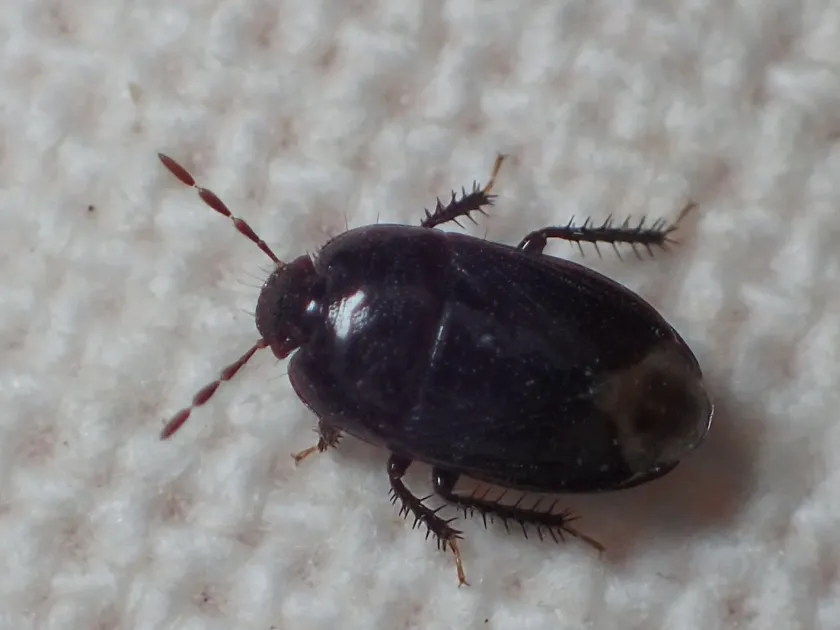
Geotomus is a genus of burrowing bugs belonging to the family Cydnidae, within the order Hemiptera. These insects are characterized by their flattened body shape and specialized fossorial (digging) legs, which are adapted for efficient movement within soil layers.
Adult insects are typically dark brown or black. Their bodies are covered in fine bristles and small spines, which assist them in navigating through dense soil or under plant debris, providing stability while digging.
The head is broad with well-developed antennae composed of five segments. A diagnostic feature for identifying these bugs is the presence of powerful, tooth-like projections on their front tibiae, which are used to shovel through soil particles.
Nymphs look similar to adults but are smaller in size, lack fully developed wings, and have a lighter color profile. Like their parents, they lead a predominantly subterranean existence.
Geotomus species are often found in various climatic regions, showing a preference for light, sandy, or loamy soils where movement through the substrate is less hindered compared to heavy clay soils.
What it damages
The primary hosts for Geotomus include various cereal crops such as wheat, barley, and rye. These bugs feed by inserting their piercing-sucking mouthparts into the underground portions of plants, including roots, tillering nodes, and stem bases.
In addition to cereals, they are polyphagous and can infest various vegetable crops and wild grasses. Outbreaks are most frequent and damaging during dry seasons when plant vitality is already stressed.
Both adults and nymphs cause damage. By extracting plant sap, they disrupt the vascular transport of nutrients and water, which severely impacts the physiological processes of the host plant.
The most critical stage is during seedling emergence. Heavy infestations can lead to seedling mortality, resulting in significantly thin stands and uneven crop distribution across the field.
On older plants, damage manifests as reduced plant vigor, a decrease in the number of productive tillers, and overall lower grain weight, significantly impacting the final yield and quality of the harvest.
When it appears
Adults overwinter in deep soil layers or under dense plant residue, where they remain protected from low temperatures and environmental extremes during the winter months.
As soil temperatures rise in the spring, the overwintered bugs emerge and move toward the surface. They quickly locate available plant roots to begin feeding and replenish energy reserves.
The mating and oviposition period typically occurs in late spring and early summer. Females lay eggs in the soil near the root zones of host plants, ensuring nymphs have immediate access to food upon hatching.
The duration of a single generation depends on soil temperature and moisture levels. In warm environments, multiple generations may occur within a single growing season.
As autumn approaches and temperatures begin to drop, the adult population migrates deeper into the soil profile to find suitable conditions for overwintering, completing their annual cycle.
Signs of infestation
The first observable sign of a Geotomus infestation is the appearance of patchy areas or "dead spots" in a field where seedlings are yellowing, wilting, or failing to thrive.
Close inspection of the roots and stem bases will reveal minute puncture marks caused by the bug's mouthparts. In some cases, localized tissue necrosis can be observed around the feeding sites.
Damaged seedlings appear stunted and chlorotic; their leaves may curl or turn reddish. Due to the destruction of the primary root system, affected plants can be pulled out of the soil with very little resistance.
Confirming the presence of Geotomus requires excavating the soil around the symptomatic plants to a depth of 10–15 cm, where nymphs or adults can usually be found nestled in the soil.
During the night or following significant rainfall, bugs may occasionally appear on the soil surface, providing an opportunity for monitoring using light traps or direct observation near the base of the stems.
Control measures
- Implementing crop rotations that include non-host plants to disrupt the life cycle of the pest.
- Deep tillage and plowing to mechanically disturb the soil and destroy overwintering sites.
- Managing weed populations in and around fields to reduce alternative food sources and reservoirs.
- Using insecticide-treated seeds to provide protection during the vulnerable seedling establishment phase.
- Applying targeted insecticides upon detecting significant population levels to prevent widespread crop damage.
Taxonomy
- Latin name
- Geotomus
- Order
- Hemiptera (bugs, aphids, leafhoppers)
- Family
- Cydnidae
- EPPO code
- GETMSP
Discussion
No discussions yet — be the first.