
Avocado scale
Fiorinia fioriniae
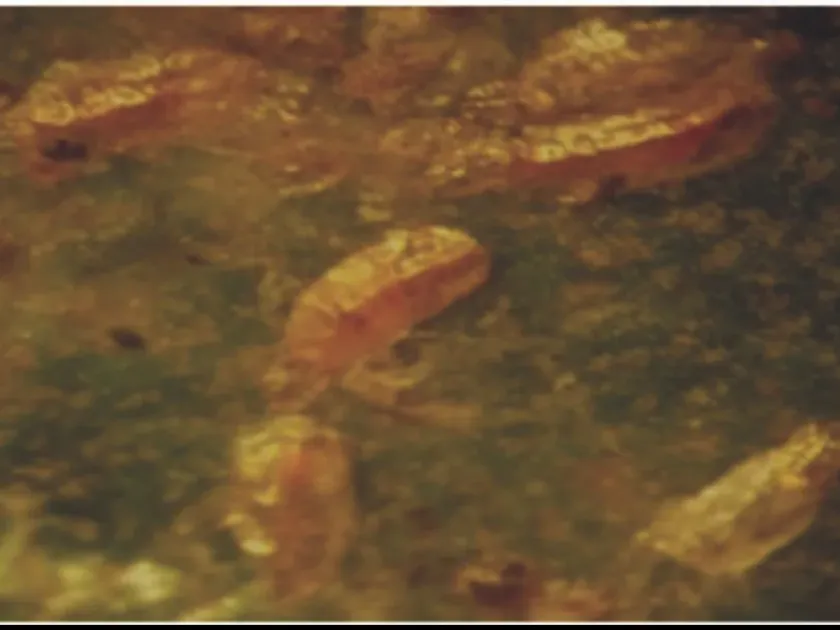
Description
How to identify
The avocado scale (Fiorinia fioriniae), belonging to the Diaspididae family, is a small but highly destructive pest that poses a significant threat to various ornamental and fruit-bearing plants.
Adult females are characterized by an elongated, flat scale, typically yellowish to brown in color, which serves as a protective armor against environmental threats and predators.
Unlike some other scale insects, the female remains beneath this waxy covering throughout her reproductive life, making visual identification of the species dependent on these specific scale shapes.
Males are rarely observed and are significantly smaller than the females, contributing little to the observed infestation symptoms on host leaves and stems.
The first instar larvae, commonly known as 'crawlers', are the only stage capable of independent movement, facilitating the spread of the infestation throughout the plant canopy.
What it damages
This pest is a major threat to avocado trees, citrus plants, orchids, ferns, palms, and many other tropical plant species grown in greenhouses or subtropical climates.
By inserting their stylets into plant tissue, these insects extract vital phloem sap, leading to gradual exhaustion of the plant and reduced overall vitality.
Infestations typically result in chlorotic spots, yellowing of the leaves, and premature leaf drop, which significantly impairs the plant's ability to photosynthesize effectively.
Continuous feeding leads to the distortion of young shoots and stunted growth, often causing the plant to lose its aesthetic appeal and structural integrity over time.
Heavy infestations can trigger secondary issues, as the damaged plant tissue becomes a gateway for fungal and bacterial pathogens, further compounding the damage.
Signs of infestation
The most prominent sign is the appearance of small, elongated, flat scales on the undersides of leaves, usually clustered along the veins for protection and moisture.
Early-stage infestations are marked by a slight yellowing or mottling on the upper leaf surface directly corresponding to the feeding spots on the underside.
The presence of honeydew deposits on the foliage often leads to the growth of sooty mold, which creates a blackened, unsightly coating that hinders gas exchange.
Deformed and stunted growth of new leaves or terminal buds is a clear indicator that the population density of the scale has reached a critical level.
Close inspection often reveals a sticky residue on the plant surface, indicating the active presence of sucking pests that continue to weaken the host.
Control measures
The primary control strategy involves rigorous quarantine measures for new plant acquisitions to prevent the introduction of Fiorinia fioriniae into established collections.
Systemic insecticides are generally the most effective treatment, as they allow the plant to absorb the chemical, making the sap toxic to the feeding scales.
Horticultural oils or insecticidal soaps can be used to manually smother the scales, though this requires thorough coverage of all leaf surfaces, particularly the undersides.
Consistent monitoring and early detection are crucial, as it is significantly harder to manage the population once the scales have matured and established heavy colonies.
- Pruning and removing heavily infested plant parts to reduce the pest population.
- Ensuring proper plant spacing to prevent the easy spread of crawlers between specimens.
- Applying systemic treatments precisely according to the manufacturer's dosage instructions.
Taxonomy
- Latin name
- Fiorinia fioriniae
- Order
- Hemiptera (bugs, aphids, leafhoppers)
- Family
- Diaspididae
- EPPO code
- FIORFI
Discussion
No discussions yet — be the first.