
Euseius hibisci
Euseius hibisci
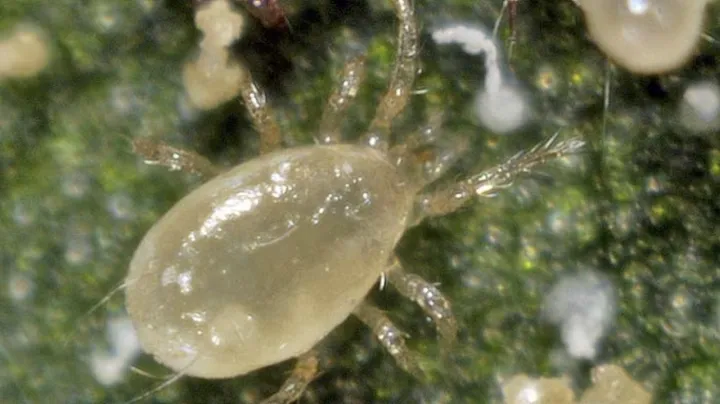
Description
How to identify
Euseius hibisci is a species of predatory mite belonging to the family Phytoseiidae. While primarily recognized as a beneficial natural enemy, it can occasionally be misidentified or become a nuisance in specific agricultural conditions.
Adult mites are microscopic, typically displaying an oval body shape with a pale, translucent, or yellowish coloration that blends in with plant tissues, making them difficult to spot without magnification.
These mites are highly active and demonstrate a characteristic rapid crawling behavior across the leaf surface. They prefer the underside of leaves, which provides a sheltered microclimate for feeding and reproduction.
Systematically, this mite is a key component of the agricultural ecosystem, known for consuming pollen and small pests such as thrips and other mite species in various horticultural settings.
Accurate identification requires the use of a hand lens or field microscope, focusing on the specific patterns of the dorsal shield and the movement characteristics of the individuals found on host plants.
What it damages
Euseius hibisci is frequently associated with a wide range of crops, including citrus, avocados, and various ornamental plants, especially hibiscus, where they can be found in large numbers.
Although typically predatory, under conditions where prey is scarce, these mites may switch to feeding on plant sap. This behavior can cause minor chlorotic spotting or discoloration on young, tender leaf tissues.
In high populations, the damage may manifest as stippling or slight deformation of new leaves. While rarely catastrophic, this can negatively affect the market quality of ornamental plants.
The damage is often mistaken for viral infections or early signs of other sap-sucking pests, leading to unnecessary chemical treatments if the population is not correctly identified by an agronomist.
Persistent feeding on buds and new floral structures during critical growth phases may lead to stunted development, emphasizing the need for monitoring in sensitive nursery environments.
When it appears
The population dynamics of Euseius hibisci are highly dependent on ambient temperatures and environmental humidity, with peak activity occurring during the warm seasons of spring and summer.
Stable, warm weather conditions between 20 and 30 degrees Celsius significantly accelerate their life cycle, allowing for rapid colonization of host plants during the most active crop growth phases.
Overwintering occurs in protected locations such as bark crevices or dense foliage, where they remain dormant until favorable conditions for activity and feeding return in the early spring.
The presence of plant pollen is a crucial factor for their survival; even when primary prey is unavailable, pollen provides the necessary nutrients for continued reproduction and colony maintenance.
Seasonal fluctuations are also tied to the blooming periods of crops, as flowering provides the primary alternative food source that sustains high populations throughout the growing season.
Signs of infestation
The primary sign of infestation is the presence of numerous small, fast-moving organisms on the underside of leaves, which can be observed clearly with a 10x magnification lens.
Chlorotic spots and localized tissue yellowing often appear on leaves where mites have been feeding, providing a clear indicator of concentrated mite activity in specific zones of the plant.
Exuviae, or cast-off skins from molting, are commonly found scattered across the leaf surface, serving as a biological marker that the population is actively growing and reproducing.
Unlike spider mites, Euseius hibisci does not construct visible silk webbing, a crucial diagnostic feature that helps distinguish them from major destructive mite pests in orchard and nursery settings.
A general decline in the quality of new leaf growth, accompanied by subtle color changes, serves as a warning sign for growers to conduct a thorough physical inspection of the foliage.
Control measures
Effective management begins with cultural practices, such as maintaining optimal plant health and managing microclimates within greenhouses to avoid conditions that favor excessive mite buildup.
Biological control remains the gold standard; protecting existing natural enemy populations or introducing beneficial insects can keep Euseius hibisci densities well below the economic injury level.
Sanitation practices, including the regular removal of dead leaf litter and overgrown weeds, are essential to reduce overwintering sites and prevent large-scale colonization of commercial crops.
If chemical control is deemed necessary due to high population pressure, selective acaricides that have minimal impact on non-target beneficial predators must be chosen to avoid secondary pest outbreaks.
Integrated Pest Management (IPM) strategies, including the use of sticky traps and regular scouting, are vital for making informed decisions and avoiding the overuse of synthetic pesticides.
Taxonomy
- Latin name
- Euseius hibisci
- Order
- Mites
- Family
- Phytoseiidae
- EPPO code
- AMBSHI
Discussion
No discussions yet — be the first.