
Euprosterna
Euprosterna
Description
How to identify
Euprosterna is a genus of moths belonging to the Limacodidae family, commonly known as slug moths. These insects are distinguished by their unique larval stage and specific biological habits that impact agricultural productivity in tropical regions.
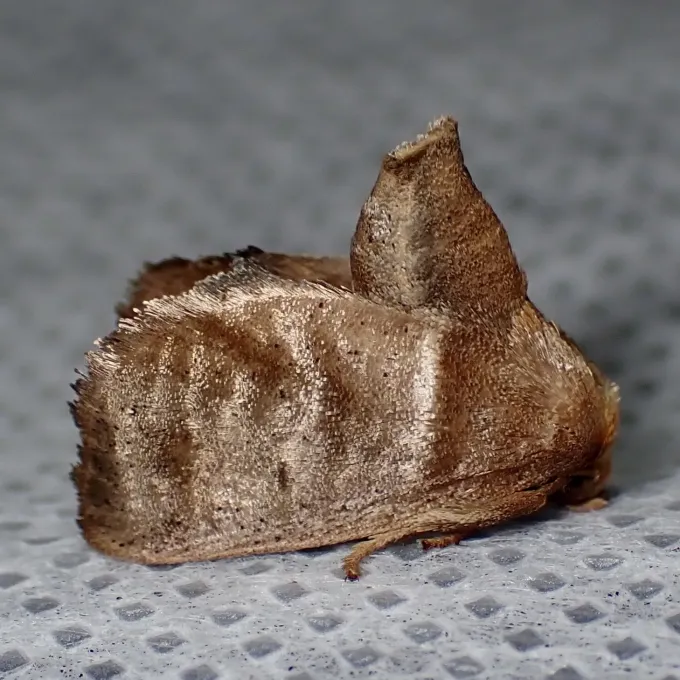
The adult moths are typically small and exhibit cryptic coloration, which helps them blend seamlessly with the bark of host trees. Their wings are often patterned in shades of brown or olive, providing effective camouflage during the day.
The larvae are the most recognizable stage, characterized by a flattened, slug-like body shape. They lack visible legs and move in a gliding motion, often possessing stinging hairs or spines that serve as a defense mechanism against predators.
The life cycle follows a complete metamorphosis, including egg, larva, pupa, and adult stages. The duration of each phase is heavily dependent on ambient temperature and humidity, allowing for multiple generations per year in favorable climates.
Pupation typically takes place within a durable, spherical or oval cocoon, often situated on the host plant or within the leaf litter beneath, which protects the developing insect from environmental stressors.
What it damages
Euprosterna larvae are significant defoliators known for causing damage to various woody plants. The species Euprosterna elaeasa is particularly recognized for its negative impact on coffee plantations globally.
Besides coffee trees, these pests can infest a variety of shrubs and ornamental plants, making them a general nuisance in diversified agricultural systems. Their polyphagous nature allows them to shift between hosts as food sources vary.
The damage is primarily inflicted by the larvae, which feed on the leaf tissues. They typically eat the leaf blade while avoiding the major veins, resulting in a skeletonized appearance that severely impairs the plant's photosynthetic capacity.
Heavy infestations lead to significant leaf loss, which weakens the host plant's overall health and physiological vigor. This process stunts growth and reduces the quality and quantity of the harvestable yield.
Persistent feeding stress makes the infested plants more susceptible to secondary fungal and bacterial infections, which can further aggravate the decline in plant health and output.
Signs of infestation
The earliest signs of an Euprosterna infestation include small, irregular holes in the foliage. As the larvae grow, these holes enlarge, eventually leaving only the skeletonized framework of the leaves behind.
Presence of frass (larval excrement) beneath the canopy is a clear indicator of active feeding. These small, dark pellets are easily noticeable on the soil surface or the lower leaves of the host tree.
Leaf discoloration and premature wilting are common symptoms of severe damage. As the leaf tissue is consumed, the overall canopy density decreases, exposing internal branches to excessive heat and light.
Direct inspection of the underside of leaves during the early morning or evening hours is necessary to locate the larvae, as they are often stationary or slow-moving during their feeding periods.
During the off-season or between generations, the presence of empty or intact cocoons attached to twigs, stems, or leaf litter serves as a confirmation of past or impending infestations.
Control measures
Monitoring is the cornerstone of effective management. Regular scouting of plantations allows for the early detection of larvae, enabling growers to intervene before the infestation reaches economic injury levels.
Biological control methods are highly effective and environmentally sustainable. Sprays containing Bacillus thuringiensis are commonly used to target the larvae without harming beneficial insects and pollinators.
Mechanical control, such as the manual removal and destruction of larvae and cocoons in small-scale gardens, can be highly effective in reducing the local population density of the pest.
Cultural practices, including the removal of infested plant debris and maintaining healthy canopy airflow, help limit the microclimatic conditions favored by the moth for egg-laying and development.
Integrated Pest Management (IPM) strategies, which prioritize the use of natural enemies such as parasitic wasps and predatory insects, provide the best long-term solution for minimizing the impact of Euprosterna.
Taxonomy
- Latin name
- Euprosterna
- Order
- Lepidoptera (butterflies)
- Family
- Limacodidae
- EPPO code
- EUPNSP
Discussion
No discussions yet — be the first.