
White-collared moth
Euhyponomeutoides albithoracellus
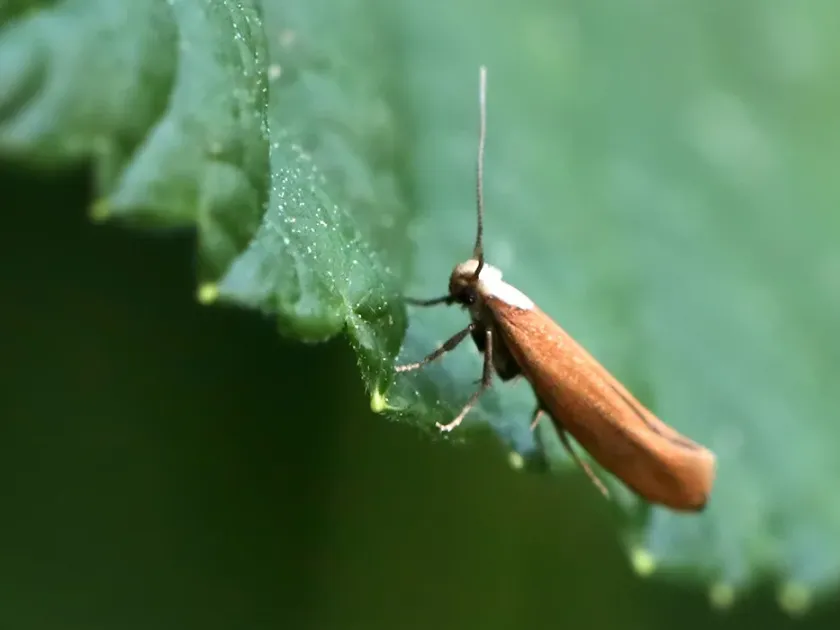
Description
How to identify
The white-collared moth (Euhyponomeutoides albithoracellus) is a small lepidopteran belonging to the Yponomeutidae family, known as the ermine moths.
Adult moths typically feature a wing span ranging between 12 and 15 mm, with a coloration that mimics the texture of tree bark and twigs.
The larvae are specialized feeders that go through several instars, characterized by specific physiological changes as they develop towards pupation.
Their mouthparts are designed for efficient defoliation and tissue consumption, allowing them to thrive on their primary host plant.
Field identification often relies on observing the characteristic webbed structures created by the larvae during their growth stages.
What it damages
This species primarily targets honeysuckle (Lonicera), where it can cause localized but significant damage if left unmanaged during the growing season.
Larvae feed on leaf tissues, causing skeletonization that drastically reduces the plant's ability to perform photosynthesis efficiently.
Feeding on developing buds and blossoms is particularly harmful, as it directly reduces the plant's reproductive potential and berry yield.
Severe infestations may result in premature leaf drop, which leaves the shrub vulnerable and less capable of surviving harsh winter conditions.
In addition to direct tissue loss, the presence of webbing can lead to the deformation of shoots and disrupt the natural growth pattern of the shrub.
When it appears
The life cycle of the white-collared moth is highly synchronized with the phenological development of its host plant, the honeysuckle.
Overwintering larvae emerge from their diapause in early spring, coinciding with the first signs of bud break and new foliage growth.
Larval activity reaches its peak during late spring, precisely when the plant is preparing to bloom and develop its reproductive structures.
Pupation occurs in specialized cocoons usually anchored to leaves or hidden within bark crevices, marking the end of the larval stage.
Adult moths typically emerge in early summer to mate and lay eggs, ensuring the species survives for the next generation in the coming year.
Signs of infestation
The most noticeable sign of an infestation is the presence of silk webbing that binds together the leaves at the tips of new shoots.
Small, irregular holes appearing in leaves are typical indicators of early-stage feeding, which expand as the larvae continue to grow in size.
Browning or withering of shoot tips and floral buds provides a clear indication that larvae are feeding within those specific areas.
The accumulation of frass (larval droppings) inside the silken nests confirms the presence of active pests residing within the canopy.
Observing larvae dangling from branches on silk threads when disturbed is a common sight in areas with high pest populations.
Control measures
Manual removal of webbed nests during early spring is a highly effective, non-chemical method for reducing local population numbers.
Biological control using Bacillus thuringiensis sprays can effectively target larvae while preserving the population of beneficial insects in the garden.
Chemical intervention should be reserved for severe outbreaks, utilizing products authorized for use on ornamental or fruit-bearing shrubs.
Improving air circulation through proper pruning and thinning of the shrub canopy helps create a less favorable environment for the moths to thrive.
Consistent monitoring during the early growing season allows growers to intervene quickly before the pest causes substantial damage to the plant's structure.
Taxonomy
- Latin name
- Euhyponomeutoides albithoracellus
- Order
- Lepidoptera (butterflies)
- Family
- Yponomeutidae
- EPPO code
- EUHYAL
Discussion
No discussions yet — be the first.