
Epiptera
Epiptera
Description
How to identify
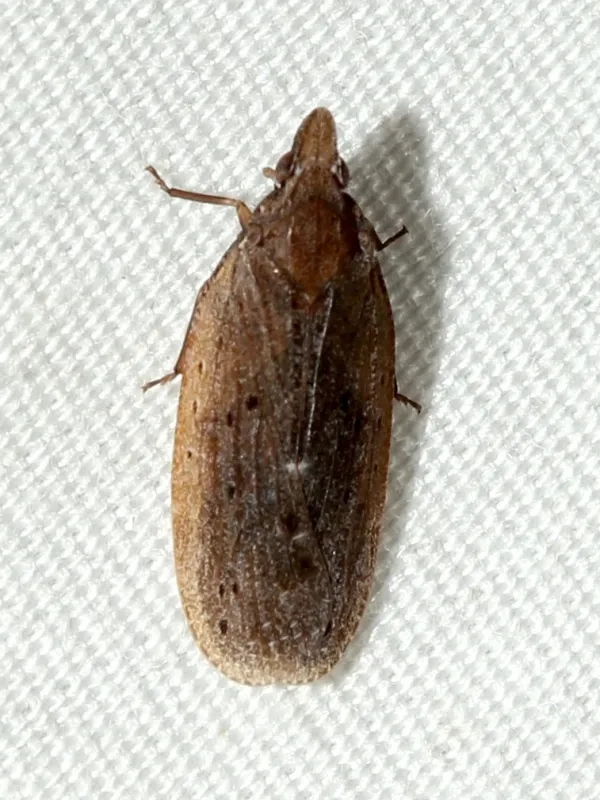
Epiptera is a genus of insects belonging to the family Achilidae in the order Hemiptera. Visually, these are small, jumping insects resembling leafhoppers, characterized by a triangular head profile and wings folded tightly in a roof-like manner over the body.
Adults are usually colored in shades of brown or gray, providing excellent camouflage on tree bark or leaf surfaces. The wings feature a complex reticulated venation pattern, which serves as a key systematic feature for identifying this genus.
The larvae of Epiptera lead a concealed lifestyle, often developing in decaying wood, under bark, or within leaf litter. They possess a flattened body shape, which is perfectly adapted for inhabiting narrow cracks and crevices in wood.
Adults possess developed jumping legs, making them difficult to spot during plant inspections. They are primarily active during twilight, remaining in shaded parts of the canopy during the daytime.
For precise species identification, specialists must analyze the male genitalia, as external morphological differences between species within the genus can be nearly indistinguishable.
What it damages
Members of this genus primarily affect woody plants and shrubs. Significant damage is caused to fruit plantations, as well as to ornamental trees and shrubs in gardens and parkland areas.
The insects extract plant sap from young shoots and leaves, leading to the weakening of the host plant. Fungal infections may develop at the puncture sites on the epidermis due to the disruption of tissue integrity.
Damage is inflicted by both adults and larvae, although feeding preferences vary by stage. Adults feed more frequently on the sap of aerial plant parts, while larvae develop by feeding on the microflora associated with decaying wood.
Under high population densities, the pest causes premature leaf yellowing and deformation of young growth. This negatively affects the formation of fruit buds for the following year.
A particular danger is the potential transmission of phytoplasma or viral diseases, which can occur while the insects feed on infected host plants.
When it appears
The lifecycle of Epiptera is closely linked to the phenology of woody host plants. The first adults appear in late spring when average daily temperatures consistently exceed 15 degrees Celsius.
The peak activity of adult insects occurs in the first half of summer, during which mating and egg-laying in bark fissures or substrate occur.
Larvae develop over an extended period, often spanning the entire summer and early autumn. Depending on the region, the development of a single generation can take one season or even longer.
Overwintering occurs primarily at the larval or nymph stage in protected locations: under bark, in forest litter, or deep within wood fissures.
The spring emergence of the pests is synchronized with sap flow in host plants, ensuring food availability immediately after they emerge from diapause.
Signs of infestation
A primary sign of infestation is the presence of sticky honeydew excretions on leaves, which creates a favorable environment for the growth of sooty mold.
A second sign is the curling of leaf margins and the appearance of yellowish spots at the sites of intensive sap extraction by the insects.
- Presence of jumping insects when branches are shaken.
- Presence of larval exuviae (skins) on the bark surface following molting.
- Darkening and death of terminal shoots in cases of severe infestation.
- Bark damage caused by larvae in areas of fractures or wood fissures.
In neglected cases, plants appear stunted, and premature leaf drop occurs, along with poor wood maturation before the onset of winter.
Control measures
Managing Epiptera requires an integrated approach, combining agrotechnical and chemical protection methods for plantations.
An essential stage is the sanitary maintenance of the garden: removing dead bark, burning fallen leaves, and clearing decaying wood where larvae may overwinter.
The use of systemic insecticides is effective during the period of active adult feeding. Treatments should be applied during the evening when the insects are most active.
Biological methods include encouraging natural entomophages, such as ladybugs, lacewings, and predatory bugs, which help limit the pest population.
Regular monitoring using sticky traps allows for the assessment of pest population levels and timely decisions regarding the necessity of pesticide applications.
Taxonomy
- Latin name
- Epiptera
- Order
- Hemiptera (bugs, aphids, leafhoppers)
- Family
- Dictyopharidae
- EPPO code
- EPPTSP
Discussion
No discussions yet — be the first.