
Dictyophara
Dictyophara
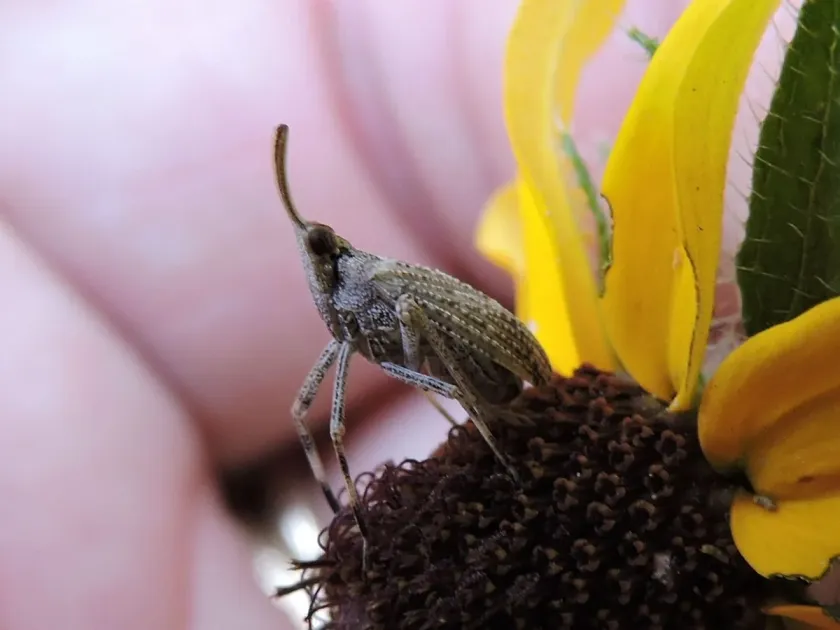
Description
How to identify
Dictyophara is a genus of insects belonging to the order Hemiptera and the family Dictyopharidae. Adults are easily recognized by their elongated, pointed head process.
The body of the imago usually displays a greenish or yellowish coloration, providing excellent camouflage among foliage. The wings are transparent with a dense network of veins.
Nymphs go through several developmental stages, gradually increasing in size. They lack fully developed wings but retain the distinct head shape characteristic of the genus.
Females lay eggs, often coating them with a protective secretion or attaching them to the undersides of leaves and stems. Their cryptic behavior makes detection challenging.
To identify the species accurately in the field, agronomists use insect nets during early morning or evening hours when the insects are most active.
What it damages
Dictyophara species are polyphagous, feeding on the sap of a wide variety of plants. Both adults and nymphs cause damage by piercing plant tissues with their piercing-sucking mouthparts.
Vineyards, fruit trees, and various vegetable and industrial crops are most frequently affected. In some regions, they can also cause damage to ornamental plants.
While feeding, the pest injects saliva containing enzymes into the plant tissue, which disrupts metabolism and photosynthesis processes.
Secondary infections often develop at the puncture sites, as these wounds become entry points for various fungal and bacterial pathogens.
The economic impact also includes the transmission of phytoplasma and viral diseases, which can lead to a significant loss of crop quality and yield.
When it appears
The biology of Dictyophara is closely tied to local temperature conditions. Typically, they overwinter as eggs deposited on plant debris or soil, though some adults may survive in sheltered areas.
The active hatching of nymphs begins in spring as soon as average daily temperatures reach levels favorable for insect development.
Throughout the growing season, the pest can produce one or several generations depending on the climate, with population peaks often occurring in mid-summer.
Adults are primarily active during the day, readily flying to nearby plants when disturbed, which makes effective monitoring more difficult.
As autumn temperatures drop, insect activity decreases, leading to the final egg-laying phase before winter diapause begins.
Signs of infestation
A primary sign of infestation is the stunted growth and poor condition of the crop, often manifesting as curling or deformation of young leaf blades.
Affected areas may show necrotic spots and chlorosis, caused by long-term nutrient depletion resulting from the loss of plant sap.
Inspection of leaf undersides or plant axils often reveals the insects themselves or their exuviae — the shed skins left behind after molting.
- The presence of honeydew on the leaves, which attracts ants and promotes the growth of sooty mold, is a common secondary indicator.
Severe infestation often leads to flower drop, premature fruit shedding, and reduced shoot vigor, significantly lowering overall productivity.
Control measures
Effective management relies on integrated pest control, including the timely removal of weeds that serve as alternate hosts for the pest.
Chemical control is justified when populations exceed the economic threshold. Contact and systemic insecticides with a broad spectrum are typically employed.
It is crucial to rotate chemical agents to prevent the development of resistance within the Dictyophara population to common insecticide active ingredients.
Biological control options involve encouraging natural predators and parasitoids that help regulate insect numbers in the ecosystem.
Deep autumn plowing and the thorough destruction of crop residues are essential for reducing overwintering populations within the soil layer.
Taxonomy
- Latin name
- Dictyophara
- Order
- Hemiptera (bugs, aphids, leafhoppers)
- Family
- Dictyopharidae
- EPPO code
- DCTPSP
Discussion
No discussions yet — be the first.