
Cypress checkered beetle
Enoclerus cupressi
Description
How to identify
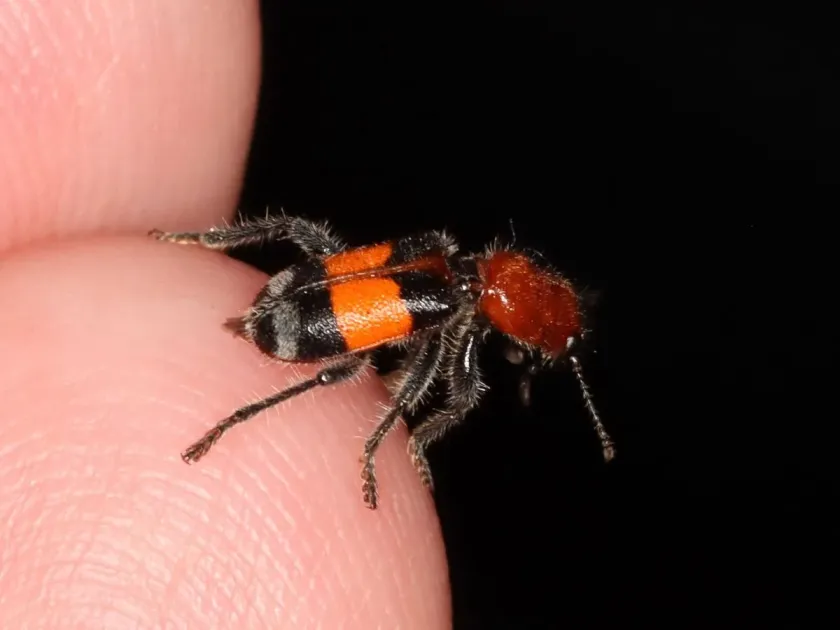
The cypress checkered beetle, scientifically known as Enoclerus cupressi, belongs to the Cleridae family, commonly referred to as checkered beetles. These are small insects, typically ranging from 5 to 8 mm in length, known for their distinct patterns.
Their bodies are generally dark, ranging from black to metallic blue, often featuring vivid, light-colored or reddish bands across the elytra. The body surface is typically covered in fine, dense hairs.
The larvae are specialized for life under the bark, possessing a flattened, elongated body shape and strong mandibles designed to tunnel through woody tissues of host plants.
The life cycle undergoes complete metamorphosis, including egg, larval, pupal, and adult stages. Unlike many herbivorous pests, many adult Cleridae are predatory, feeding on other bark-dwelling insects.
Overwintering usually occurs as larvae or adults, hiding within bark crevices or deep inside the tunnels they have carved, waiting for warmer temperatures to resume their activity.
What it damages
The primary hosts for Enoclerus cupressi include various members of the Cupressaceae family, such as cypresses, junipers, and arborvitae. They primarily target trees that are already stressed by drought, poor soil conditions, or other diseases.
While adult beetles are often predatory, the larvae cause the significant damage by mining galleries in the cambium and phloem layers, which disrupts the tree's vascular system.
Extensive larval mining leads to a reduction in nutrient transport, which causes localized wilting, branch dieback, and eventually the death of the entire tree if the infestation remains untreated.
The tunnels created by the larvae serve as entry points for secondary pathogens, including fungi and bacteria, which can accelerate the decay of the inner bark and woody structure.
In ornamental landscapes and nurseries, this pest can cause rapid deterioration of the tree's health, leading to significant aesthetic and economic losses for the grower.
Signs of infestation
The most noticeable sign of an infestation is the presence of small, circular exit holes on the bark surface. These are created by adult beetles when they emerge from their pupal chambers.
Accumulation of frass, or fine wood dust, near the entrance or exit holes on the tree trunk is a common indicator that larvae are actively feeding and tunneling underneath the bark.
Foliage yellowing and thinning are early warning signs. As the vascular system becomes compromised, affected branches will eventually lose their green color, turn brown, and become brittle.
Adult beetles can sometimes be seen moving on the bark during the warmer months, specifically during the mating season, when they are most active on the sun-exposed parts of the trunk.
Increased resin flow, or "bleeding," on the bark is another common response by the tree as it attempts to flush out the invaders or seal off the wounded areas caused by larval tunneling.
Control measures
Good silvicultural practices are the foundation of control. Maintaining tree vigor through consistent watering, proper mulching, and regular pruning ensures the tree is better equipped to resist beetle attacks.
Sanitation is critical; all heavily infested branches or dead trees should be removed and destroyed immediately to prevent the emergence of the next generation of beetles.
When chemical intervention is required, systemic or contact insecticides may be applied during the adult flight period to interrupt the mating and egg-laying cycles of the pest.
Encouraging biological control agents, such as parasitoid wasps and other predatory insects, can help keep beetle populations in check within larger landscapes and forests.
Pheromone traps are highly effective for monitoring the population density of the beetles, allowing for more precise timing of management actions and reducing the need for broad-spectrum chemicals.
Taxonomy
- Latin name
- Enoclerus cupressi
- Order
- Coleoptera (beetles)
- Family
- Cleridae
- EPPO code
- ENOCCU
Discussion
No discussions yet — be the first.