
Chariessa pilosa
Chariessa pilosa
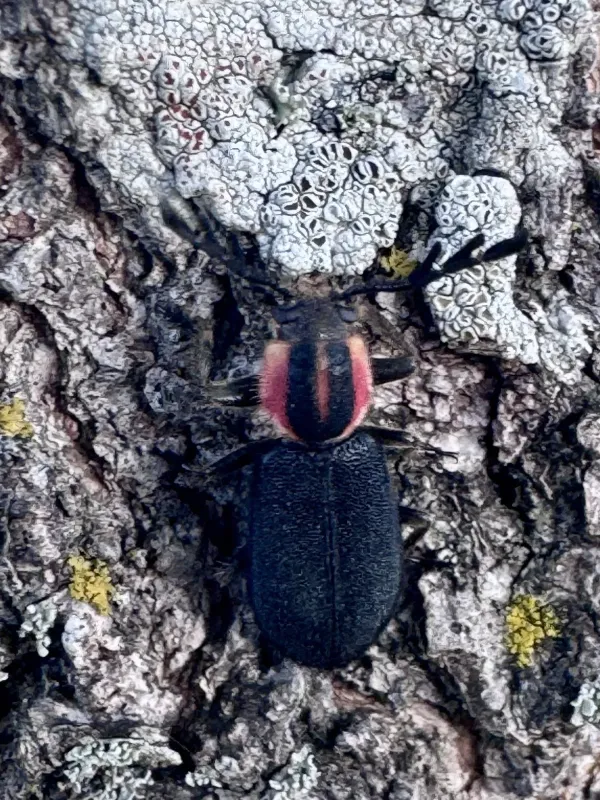
Description
How to identify
Chariessa pilosa belongs to the family Cleridae, commonly known as checkered beetles. This insect is recognizable by its hairy body, which gives the species its specific name and distinguishes it from many other coleopterans.
Adult beetles are typically found on the bark of trees during warm, sunny periods. Their larvae are specialized for boring into wood, and their physiology is perfectly adapted to the constraints of living within tree tissues.
The life cycle of the insect involves complete metamorphosis. Each stage—egg, larva, pupa, and adult—is carefully synchronized with the environmental conditions of the host tree, often favoring stressed specimens.
While many checkered beetles are known as beneficial predators, Chariessa pilosa is often associated with the secondary damage of woody plants. Accurate identification is necessary to distinguish it from its beneficial relatives.
Understanding their morphology and habitat preferences is essential for foresters and orchard managers who need to monitor the health of their trees and prevent potential outbreaks.
What it damages
Chariessa pilosa primarily attacks a variety of deciduous and coniferous trees. It often targets trees that are already weakened by environmental stress, diseases, or damage from other pests.
Larval activity involves tunneling through the bark and into the wood, which disrupts the transport of nutrients and water. This mechanical damage, when combined with larval feeding, leads to a decline in tree health.
The tunnels created by the larvae serve as entry points for secondary pathogens, including fungi and bacteria. These infections often cause more structural damage than the beetle itself, potentially leading to tree death.
In high densities, the beetles can cause significant growth reduction. Trees that are heavily infested often display symptoms of crown dieback, which is a clear indication that the tree's health is compromised.
Long-term damage can make the affected timber unusable for commercial purposes and prone to wind damage, making it a critical concern for sustainable forest management and high-quality fruit production.
When it appears
The adult beetle is most active during the warmer months, typically from late spring through mid-summer. This period is when they mate and seek suitable hosts for oviposition.
Eggs are laid in cracks in the bark. Once hatched, the larvae begin to penetrate the wood, which marks the start of the most damaging phase of the life cycle. The timing depends on local climatic conditions.
Winter is typically passed in the larval stage, deep within the tree galleries. This protected environment allows the insect to survive harsh winter temperatures, emerging as adults in the following spring.
The speed of the life cycle is heavily influenced by temperature, with warmer regions potentially seeing more rapid development. Monitoring the emergence of adults is a key strategy for timing control interventions.
Early season detection is crucial, as once the larvae are deep within the wood, they are largely protected from most external contact sprays, making preventive measures significantly more important.
Signs of infestation
The most prominent sign of an infestation is the presence of small, circular exit holes in the tree bark. These holes are created when the adults emerge from the wood after metamorphosis.
Fine wood dust or frass accumulating at the base of the tree is a common indicator of boring activity occurring inside. Observing this debris is a strong signal for a thorough inspection.
General signs of decline, such as yellowing foliage, branch dieback, or bark cracking, often accompany a serious infestation. Trees may also look generally unhealthy compared to surrounding specimens.
Woodpecker activity on a specific tree can also indicate the presence of larvae inside the bark. Birds are highly effective at locating these pests and often signal the early stages of a struggle.
- Small exit holes (approx. 2 mm in diameter).
- Presence of wood dust (frass) around the trunk base.
- Crown dieback and overall decline in tree vigor.
- Evidence of larval galleries upon bark removal.
- Visible adult beetles on the bark surface.
Control measures
The most effective strategy for controlling Chariessa pilosa is the removal and proper disposal of infested wood. This sanitation practice reduces the local population and prevents further spread.
In cases where chemical intervention is necessary, systemic insecticides applied during the peak flight season can be effective. However, this must be timed correctly to target the adults before they lay eggs.
Maintaining tree vigor is the best preventive measure. Proper irrigation, nutrient management, and protection from physical damage keep trees healthy and less attractive to wood-boring pests.
Biological control, including the protection of natural predators like woodpeckers, helps keep populations in check. Maintaining a healthy ecosystem is essential for long-term protection.
For ornamental or fruit trees, white-washing the trunks in early spring can sometimes deter adult beetles from laying eggs in bark crevices. This simple technique acts as a physical barrier.
Taxonomy
- Latin name
- Chariessa pilosa
- Order
- Coleoptera (beetles)
- Family
- Cleridae
- EPPO code
- CRSAPI
Discussion
No discussions yet — be the first.