
Dnopherula
Dnopherula
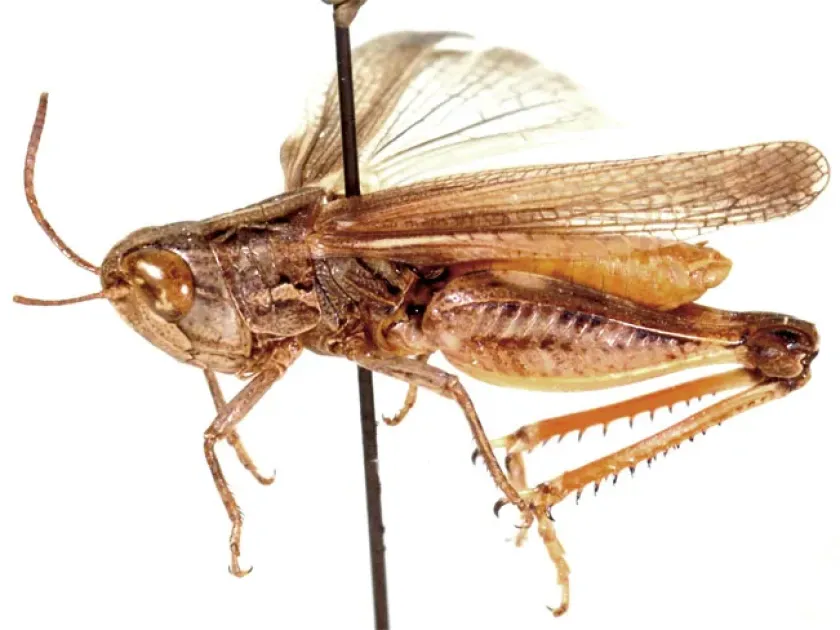
Description
How to identify
Dnopherula is a genus of grasshoppers belonging to the family Acrididae, subfamily Gomphocerinae. These insects are widely distributed and possess morphological features characteristic of the Gomphocerinae tribe.
Adult insects typically display a cryptic coloration ranging from light brown to greenish, which allows them to blend perfectly with the vegetation of grasslands and cereal fields.
They are characterized by strong hind legs adapted for jumping and well-developed wings, enabling them to migrate over significant distances when food sources are depleted.
The nymphs (immature stages) resemble adults but are smaller and lack fully formed wings. Their development proceeds through several instars, with each stage increasing in size and feeding rate.
Scientific identification requires detailed examination of the pronotum, stridulatory apparatus on the hind femora, and the shape of the head, as many species in this genus look visually similar.
What it damages
Dnopherula species are generalist phytophagous insects that primarily feed on monocots. They pose a significant threat to various cereal crops, especially in temperate regions.
The list of host crops includes wheat, barley, oats, and millet. In addition to agricultural crops, they feed on various wild grasses that populate field margins and fallow lands.
The primary damage is caused by the consumption of leaf tissue. During severe outbreaks, the insects may consume the entire leaf blade, leaving only the central vascular veins, which drastically reduces the plant's photosynthetic capacity.
When the population density is high, they may attack stems and developing seed heads, leading to direct yield loss and reduced grain quality.
Furthermore, their feeding activity creates entry points for various pathogens, which may lead to secondary fungal or bacterial infections in the damaged crop tissues.
When it appears
The life cycle of Dnopherula is highly dependent on environmental temperatures. They overwinter in the egg stage, buried in the soil within protective pods.
Nymph emergence typically occurs in the spring when soil temperatures reach the threshold required for development. This timing often aligns with the tillering stage of cereal crops.
The nymphal stage lasts for several weeks as they molt through several instars. Feeding intensity peaks as they approach the adult stage, causing the most significant damage to the host plants.
Adults typically emerge in early to mid-summer. This period is associated with mating and the subsequent deposition of eggs into the soil, completing the generation cycle.
With the onset of autumn and cooling temperatures, the adult population declines and eventually perishes, leaving the next generation to survive the winter in the egg stage.
Signs of infestation
The first sign of a Dnopherula infestation is the appearance of jagged edges on leaf blades. This "notched" appearance is a common characteristic of orthopteran feeding.
Field inspectors can identify the presence of the pest by observing the jumpy movement of nymphs and adults when the vegetation is disturbed.
Exuviae (shed skins) found on the lower parts of plants or on the soil surface are clear indicators that a population is actively developing and molting in the area.
In cases of heavy infestation, distinct patches of bare soil or severely defoliated areas appear across the field, indicating high feeding pressure.
- Jagged leaf edges and partial defoliation.
- Presence of discarded nymphal skins.
- Increased insect activity/leaping upon field entry.
- Localized crop thinning or patches of missing vegetation.
Control measures
Cultural control is the most effective preventative measure. Deep plowing in the autumn helps to disrupt egg pods in the soil, exposing them to desiccation and natural predators.
Weed management on field margins and uncultivated areas is crucial to reduce the reservoir of host plants that support the pest population outside the main crop area.
Chemical control should be implemented based on economic injury thresholds. Targeted application of insecticides, such as pyrethroids, is effective during the early nymphal stages.
Regular field scouting and monitoring are essential to identify hotspots early. This allows for localized treatments rather than blanket spraying, which is more environmentally friendly.
Integrated Pest Management (IPM) strategies, including the conservation of natural enemies like birds, parasitic wasps, and predatory insects, contribute to long-term suppression of locust populations.
Taxonomy
- Latin name
- Dnopherula
- Order
- Orthoptera (locusts)
- Family
- Acrididae
- EPPO code
- DNPHSP
Discussion
No discussions yet — be the first.