
Dissosteira spurcata
Dissosteira spurcata
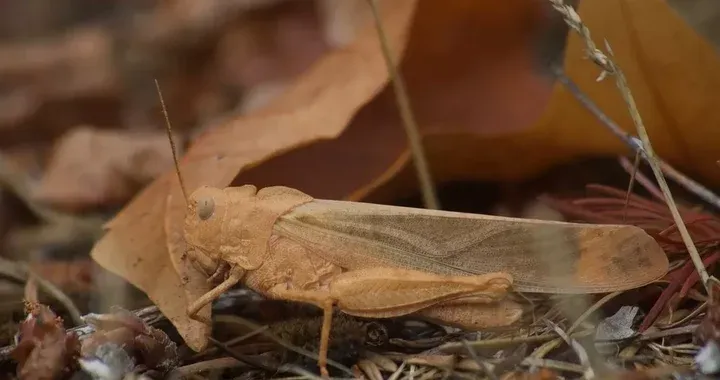
Description
How to identify
Dissosteira spurcata is a species of grasshopper belonging to the family Acrididae, which includes many of the most significant agricultural pests worldwide.
Adult insects are characterized by a mottled, brownish-grey coloration that serves as perfect camouflage against dry soil and withered grasses.
They possess a robust, chewing mouthpart structure capable of consuming significant amounts of plant material in a single day.
The wings are well-developed, allowing the insects to swarm and migrate over considerable distances when food sources become scarce.
Nymphs resemble smaller, wingless versions of the adults and go through several developmental stages before reaching sexual maturity.
What it damages
This grasshopper is a polyphagous pest, meaning it feeds on a diverse range of plant species including various cereal grains.
It is particularly destructive to wheat, barley, and oat fields, especially during the early growth stages of the crops.
Pastures and hay fields are also severely affected, as the grasshoppers can consume entire stands of forage in a short period.
By consuming leaves and stems, the pest significantly reduces the photosynthetic area of plants, leading to severe yield losses.
In high-density outbreaks, these insects can strip a field bare, leaving behind only the toughest plant residues.
When it appears
The life cycle of Dissosteira spurcata is strongly influenced by temperature and moisture levels during the spring and summer seasons.
The species typically overwinters in the egg stage, with eggs buried in the soil in protective pods laid by the females.
Hatching occurs in the spring when soil temperatures reach the threshold required for successful development of the nymphs.
Adults reach peak activity during the hottest months of the year, usually from July through August, when they actively feed and mate.
The lifecycle concludes with egg-laying in late summer, ensuring the next generation is prepared for the coming year.
Signs of infestation
Early signs of an infestation include small, irregular holes or ragged edges on the leaves of young cereal plants.
Observation of numerous jumping insects while walking through the crop canopy is a clear indicator of a significant pest population.
Accumulation of fecal pellets on the soil surface beneath the plants is a common sign of active feeding by the grasshoppers.
Patches of defoliated or stunted growth in a field often indicate the focal points where nymphs first began feeding.
Severe infestations manifest as large areas of completely eaten stalks, which can lead to total crop failure if left unchecked.
Control measures
Cultural control measures, such as tillage after harvest, are highly effective as they destroy egg pods located in the upper soil layers.
Managing weeds in field margins and fallow areas reduces the availability of secondary food sources and habitat for the pest.
Chemical control involving systemic insecticides is recommended when population numbers exceed economic thresholds.
Precision spraying of field borders and known hatching sites can significantly reduce the overall need for large-scale field applications.
Monitoring programs using sweep nets and field inspections are essential for timely intervention before the pest reaches adulthood.
Taxonomy
- Latin name
- Dissosteira spurcata
- Order
- Orthoptera (locusts)
- Family
- Acrididae
- EPPO code
- DISSSU
Discussion
No discussions yet — be the first.