
Long-winged locust
Dissosteira longipennis
Description
How to identify
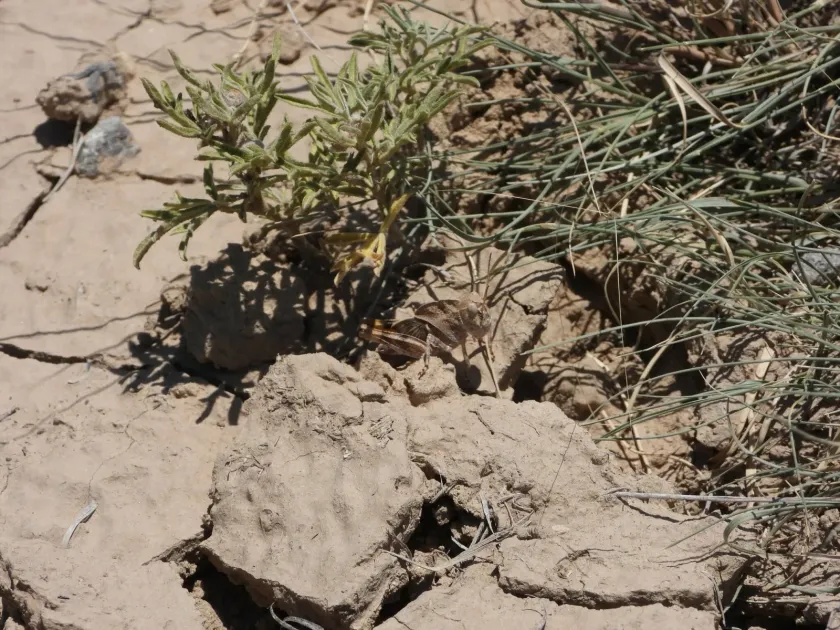
The long-winged locust (Dissosteira longipennis) is a member of the Acrididae family, known for its distinctive morphology. As the name suggests, this species possesses exceptionally long wings that extend well beyond the tip of the abdomen, facilitating long-distance flight.
The coloration of these insects typically ranges from mottled gray to brownish-yellow, providing excellent camouflage against soil and dry vegetation. This cryptic coloration makes them difficult to spot when they are at rest on the ground.
The head features strong, chewing mouthparts designed to process tough plant material efficiently. Their hind legs are muscular and adapted for rapid jumping, which serves as a primary escape mechanism when the insect feels threatened.
Nymphs resemble smaller, wingless versions of the adults. Throughout their development, they go through several molting stages, gradually increasing in size and developing wing pads until they finally transition into the winged adult stage.
While often found in small numbers, this species has the potential for swarming behavior under specific environmental conditions, which can lead to significant population surges that pose a major threat to agricultural landscapes.
What it damages
Long-winged locusts are voracious feeders that primarily target cereal crops, including wheat, barley, oats, and corn. These crops provide the necessary nutrients for the locusts to complete their development and reproduce successfully.
In addition to small grains, they are known to attack various forage crops, such as alfalfa and clover. During periods of high population density, they can expand their diet to include a wide range of grasses and even garden vegetables.
The damage is caused by the nymphs and adults consuming large amounts of foliage. This loss of photosynthetic tissue severely stunts the growth of plants and can lead to complete destruction of the crop if the locusts are left unchecked.
Infestations often begin in patches or along field edges, where the locusts concentrate before moving inward. The visual impact is often dramatic, with fields appearing stripped and barren after a heavy feeding session.
Beyond direct feeding damage, the wounds left on plants by the locusts create entry points for various bacterial and fungal pathogens, further compromising the health and yield potential of the crop.
When it appears
The life cycle of the long-winged locust is governed by seasonal changes. The species typically overwinters in the egg stage, with eggs deposited in the soil within protective masses called egg pods, which are resistant to cold temperatures.
Nymphs emerge in the spring once the soil temperature reaches an optimal threshold. The timing of emergence can vary depending on regional weather patterns, with warmer and wetter springs often leading to earlier and more synchronized hatching.
After hatching, the nymphs go through multiple growth stages. This period is marked by intense feeding and movement within the host plants, as the insects gradually prepare for the final transformation into adulthood.
Adults typically emerge mid-summer and remain active until the cooler temperatures of autumn arrive. This is the stage where the insects are most mobile and capable of spreading across large areas to find fresh feeding grounds.
The cycle concludes in late summer or early fall when mating occurs and females deposit their eggs back into the soil, ensuring that the next generation is prepared to survive the winter and restart the cycle.
Signs of infestation
The first sign of an infestation is the appearance of ragged, irregularly shaped holes in the leaves of host plants. Close inspection of the base of the plants will often reveal the presence of nymphs actively feeding.
The presence of exuviae (cast-off skins left behind after molting) on the soil surface or attached to plant stalks is a definitive indicator that a population is actively developing within the immediate area.
Severe infestations are characterized by widespread stripping of leaves, leaving only the veins and stalks behind. The affected areas of the field will appear significantly thinned and damaged compared to healthy sections.
Disturbing the vegetation during the day will often trigger a response, with adults jumping or flying a few meters away. This sudden movement is a clear sign that a significant number of locusts are present.
Finding egg pods in the soil during autumn or winter fieldwork is a strong indicator of high-risk areas where hatchlings are likely to emerge in high numbers during the following spring.
Control measures
Effective management of the long-winged locust requires an integrated approach that combines cultural, mechanical, and chemical control measures. Deep autumn plowing is a highly effective method, as it disrupts the egg pods and exposes them to harsh weather and predators.
Consistent monitoring is essential for early detection. Farmers should regularly inspect field margins and pastures, as these are common sites for locust buildup, and take action before the insects reach the crop fields.
When the economic threshold is exceeded, chemical control using targeted insecticides is the most reliable method for protecting yield. Applications should be timed to target the early nymphal stages for maximum efficacy.
Buffer zones around fields and proper weed management in adjacent non-crop areas can help reduce the attractiveness of the environment to locusts and limit their breeding success.
- Monitor fields for nymph activity starting in early spring.
- Maintain clean field borders to reduce potential breeding sites.
- Use biological control agents where applicable to supplement chemical efforts.
Taxonomy
- Latin name
- Dissosteira longipennis
- Order
- Orthoptera (locusts)
- Family
- Acrididae
- EPPO code
- DISSLO
Discussion
No discussions yet — be the first.