
Diolcus variegatus
Diolcus variegatus
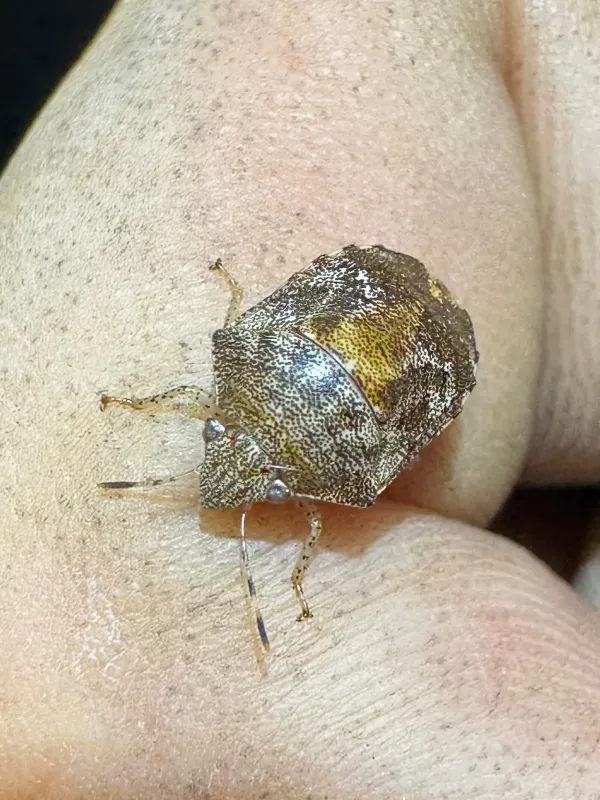
Description
How to identify
Diolcus variegatus is a species of shield bug belonging to the family Scutelleridae within the order Hemiptera. These insects are known for their distinct shield-like shape covering their abdomen.
The adult insect typically measures around 8 to 10 mm in length. Its color is generally variegated, consisting of shades of brown, yellow, and tan, which provides excellent camouflage against host plants.
The head is small and equipped with a piercing-sucking proboscis, a hallmark of the Hemiptera order. Their eyes are prominent, allowing for quick detection of potential movement in their environment.
The lifecycle includes several nymphal stages before reaching adulthood. Throughout these stages, the insects remain closely associated with host vegetation to facilitate constant feeding.
These bugs are primarily identified by the shape of their scutellum, which is large and covers almost the entire dorsal surface of the body, including the wings when at rest.
What it damages
This pest is known to impact various leguminous and cereal crops. It feeds by inserting its proboscis into the plant tissue and extracting vital sap, which weakens the host.
Damage is observed in both vegetative and reproductive parts of the plant. Feeding on leaves causes chlorosis and necrosis, while feeding on developing seeds significantly reduces yield quality.
Severe infestations often result in stunted growth and the deformation of plant organs, as the saliva injected during feeding contains enzymes that degrade the cellular structure.
The presence of these bugs at the flowering stage can lead to flower abortion and a decrease in fruit or grain set, causing substantial economic losses in affected fields.
Furthermore, the physical wounds caused by the feeding process serve as entry points for secondary fungal and bacterial infections, compounding the damage caused by the pest.
When it appears
Activity typically peaks during the growing season, beginning in late spring when adults emerge from overwintering sites to colonize young crops.
As temperatures rise during the summer months, the population undergoes multiple reproductive cycles, leading to higher insect density as the crop approaches maturity.
The nymphs are highly active throughout the summer, feeding on the most succulent parts of the plants to fuel their rapid growth and transition to the adult stage.
As the season nears its end and host plants begin to dry, adults seek sheltered areas such as leaf litter, soil crevices, or field margins to undergo diapause through the winter.
Weather conditions, particularly rainfall and humidity, play a significant role in the survival rate of the population and the success of subsequent generations.
Signs of infestation
Early symptoms of infestation often include the appearance of small, pale, or necrotic spots on the foliage where the bugs have been feeding.
Plants may show signs of stress such as wilting or drooping, especially during the hottest parts of the day when water demand is at its peak.
In mature crops, look for deformed or shriveled seeds within the pods or heads, which is a classic indicator of sap-sucking insect damage during the grain-filling period.
Direct visual inspection of the underside of leaves or the base of the plant often reveals clusters of nymphs or adults resting during the morning or late evening hours.
Accumulation of excrement on the plant surface is another clear sign of activity, indicating that a colony is present and actively feeding in the immediate vicinity.
Control measures
Integrated Pest Management (IPM) strategies are highly recommended for the control of Diolcus variegatus to minimize environmental impact.
Cultural practices, including the removal of weeds and alternative host plants from field margins, are effective in reducing the carrying capacity of the local environment.
Mechanical control, such as deep plowing after harvest, is effective in disrupting the overwintering habitat and reducing the survival rate of the next season's population.
Biological control, focusing on the preservation and augmentation of natural parasitoids and predators, remains a vital component of sustainable pest management.
When infestation levels exceed the economic threshold, the application of targeted insecticides should be considered, ensuring compliance with local safety regulations and safety intervals for harvest.
Taxonomy
- Latin name
- Diolcus variegatus
- Order
- Hemiptera (bugs, aphids, leafhoppers)
- Family
- Scutelleridae
- EPPO code
- DIOLVA
Discussion
No discussions yet — be the first.