
Diolcus
Diolcus
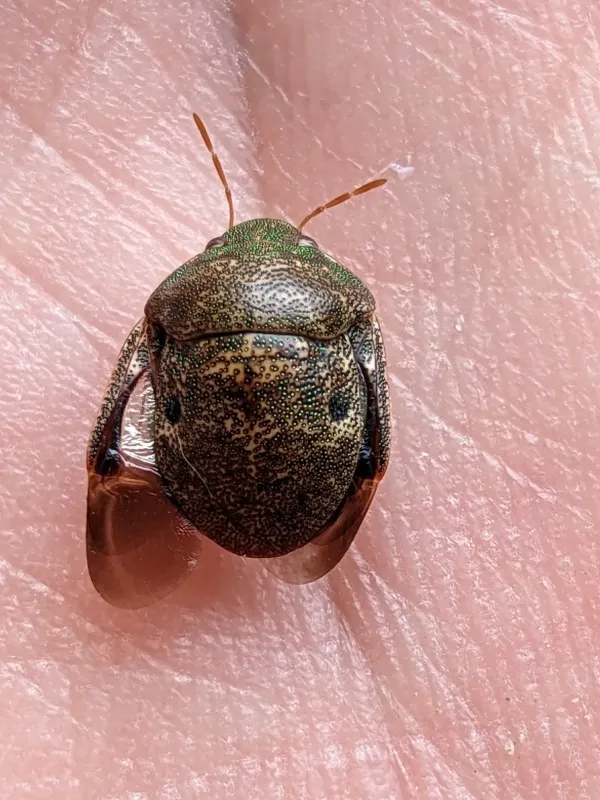
Description
How to identify
Diolcus is a genus of insects within the family Pentatomidae, commonly known as shield bugs. These insects possess a characteristic shield-shaped body, which provides significant protection against environmental threats and predation.
Adults typically exhibit brown or dark coloration, allowing them to blend into soil surfaces, crop residues, or decaying organic matter. They have a small head equipped with piercing-sucking mouthparts specialized for feeding on plant fluids.
The life cycle of Diolcus follows incomplete metamorphosis, progressing through egg, nymph, and adult stages. Nymphs closely resemble adults in structure but lack fully developed wings and undergo several molting phases before reaching maturity.
Adult bugs are capable of flight, enabling them to migrate over significant distances to find suitable feeding sites. This mobility makes them a persistent threat to agricultural fields during the growing season.
Accurate species identification usually requires expert examination of genital structures or the specific pattern on the pronotum, as they share strong morphological similarities with other shield bug genera.
What it damages
Diolcus species are polyphagous, meaning they feed on various plant species, though they show a marked preference for cereal crops. They primarily damage plants by feeding on sap during the grain filling stage.
When feeding, the insect injects salivary enzymes into the plant tissue. These enzymes disrupt physiological processes, leading to cell necrosis and a significant decline in the overall vigor of the crop.
Cereal crops like wheat, barley, and oats are the most susceptible. The feeding activity leads to the development of shriveled, low-quality grains, which severely diminishes the market value and nutritional quality of the harvest.
In seasons with favorable weather conditions, Diolcus populations can rise rapidly. If left unchecked, these infestations can result in substantial yield losses, sometimes reaching double-digit percentages in heavily affected fields.
In addition to direct physical damage, the punctures made by the bugs can serve as entry points for secondary pathogens, such as fungi or bacteria, further damaging the crop yield and quality.
Signs of infestation
The most immediate indicator of Diolcus presence is the appearance of small, darkened spots or lesions on the grain kernels. These are the direct result of the bug's mouthparts piercing the surface to reach the interior nutrients.
Field scouting often reveals the insects themselves, particularly in the lower canopy or around the base of the stems during the cooler parts of the day when they are less active under direct sunlight.
Visible signs of plant stress, such as yellowing leaves or premature drying of specific parts of the ear, can indicate a high density of shield bugs feeding on the vascular tissues.
The presence of insect waste on the leaves and stems is another tell-tale sign of infestation. Farmers should inspect fields frequently, especially during the grain filling phase, to detect these indicators early.
If ears of corn or wheat appear deformed, stunted, or possess empty kernels, it is highly likely that shield bugs have been feeding on them during the critical early stages of grain maturation.
Control measures
Effective management begins with robust agronomic practices. Deep autumn plowing is highly recommended as it disrupts the overwintering sites of the bugs, significantly reducing the population that emerges the following spring.
Controlling weeds on field margins and within the field is crucial. Weeds often act as reservoirs for the pest, allowing them to multiply before migrating to the primary crop during sensitive growth stages.
Chemical control should be implemented only when scouting confirms that the population density has crossed the economic threshold. Use registered insecticides that target shield bugs while minimizing impact on beneficial predatory species.
Modern monitoring using pheromone traps can provide early warnings, allowing farmers to target their interventions precisely and avoid unnecessary, widespread pesticide applications.
- Crop rotation to break the pest's life cycle.
- Selection of crop varieties with stronger physical husk protection.
- Preservation and encouragement of natural entomophagous predators.
Taxonomy
- Latin name
- Diolcus
- Order
- Hemiptera (bugs, aphids, leafhoppers)
- Family
- Scutelleridae
- EPPO code
- DIOLSP
Discussion
No discussions yet — be the first.