
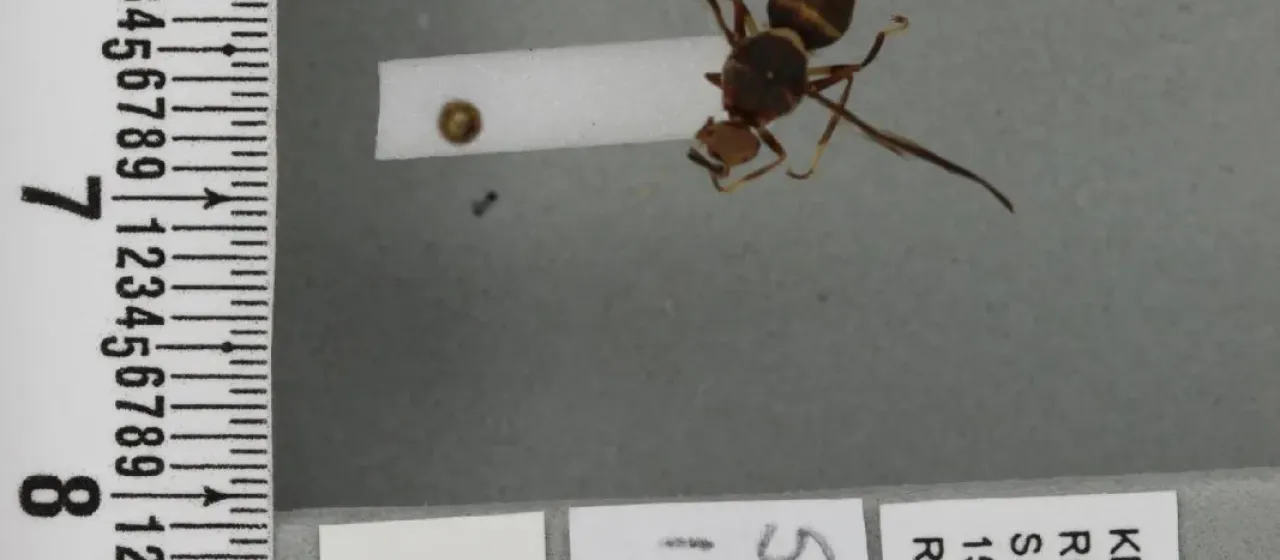
Description
The Dacus bivittatus, commonly known as the two-striped fruit fly, is a destructive pest belonging to the family Tephritidae within the order Diptera. It is recognized as a primary threat to agriculture in several African regions, where its feeding habits cause substantial economic losses in the horticultural sector.
The host range of this insect is primarily focused on the family Cucurbitaceae. It frequently infests melons, pumpkins, cucumbers, and squashes. By targeting the developing fruit, the fly directly affects the yield quality and quantity, making it a critical subject of study for integrated pest management programs.
The life cycle begins when the female adult pierces the rind of the fruit to deposit eggs inside. Upon hatching, the larvae (maggots) begin feeding on the internal tissues. This larval stage is the most damaging phase. Once fully grown, the larvae exit the fruit to pupate in the soil, emerging later as adult flies to restart the cycle.
The damage caused by Dacus bivittatus is characterized by internal tissue breakdown, which manifests as soft, decaying patches on the fruit's surface. These points of entry provide an easy pathway for secondary bacterial and fungal infections. Eventually, the fruit collapses, becomes unmarketable, and may lead to a total loss of the harvest if not controlled in time.
Effective control measures require an integrated approach. Farmers are advised to maintain strict sanitation by removing and destroying all infested fruit to break the life cycle. Soil management techniques, such as tilling, can expose and kill pupae. Additionally, the deployment of bait stations and traps, combined with selective insecticide spraying, remains essential for protecting cucurbit crops.
Taxonomy
- Latin name
- Dacus bivittatus
- Order
- Diptera (flies)
- Family
- Tephritidae
Taxonomy and Latin: EPPO Global Database · code DACUBI
Products · 0
Discussion
No discussions yet — be the first.