
Cactus scale
Dactylopius tomentosus
Description
How to identify
Cactus scale, taxonomically often associated with the Dactylopius genus, is a specialized insect that feeds exclusively on cactus family species.
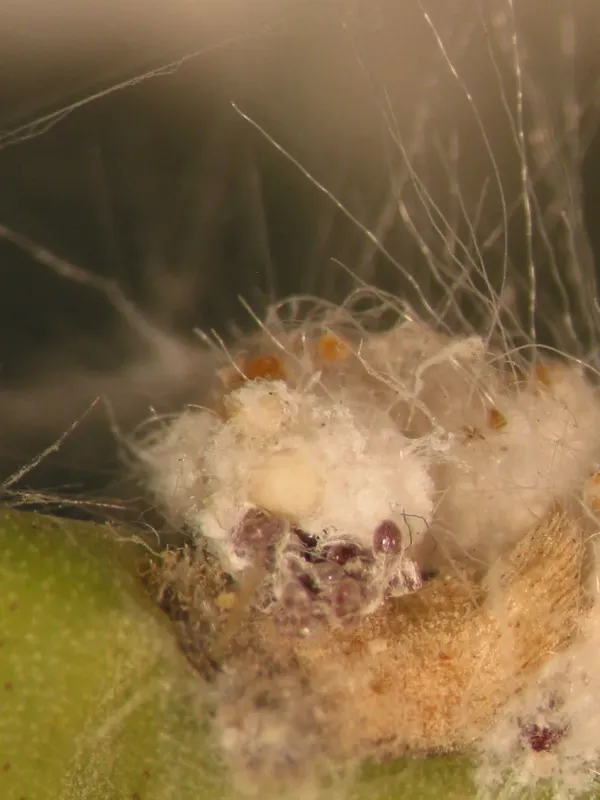
Adult females are characterized by a conspicuous white, waxy coating that resembles cotton, serving as a protective shield for their body and egg clutches.
The males are much smaller, winged, and do not possess mouthparts, as their sole biological purpose is to fertilize the sedentary females.
These insects are closely related to cochineal insects and similarly contain carminic acid, which gives them a vivid red appearance when crushed.
Their life cycle is highly adapted to the anatomy of cacti, allowing them to remain hidden within the spines and crevices of the plant.
What it damages
The pest causes damage by piercing the plant epidermis with its stylet and extracting vital sap, which leads to nutritional depletion.
Heavy infestations result in localized chlorosis, significant tissue deformity, and the eventual death of the affected plant segments.
The punctures made by the insect provide an entry point for secondary bacterial and fungal pathogens, which often kill the plant faster than the scale itself.
As the scale feeds, it excretes honeydew, a sugary substance that promotes the growth of sooty mold, which impairs the plant's ability to photosynthesize.
Left untreated, an infestation can spread across an entire collection, causing severe stress and systemic health decline in succulents.
When it appears
Cactus scale thrives in warm, indoor environments where temperatures remain consistently above 20°C, regardless of the season.
The life cycle accelerates significantly during the spring and summer months when the host plant is actively growing and translocating nutrients.
Crawlers (first-instar larvae) are highly active and mobile during warmer temperatures, allowing them to disperse to neighboring plants easily.
During cooler winter months, the metabolism of the scale slows down, but they remain viable in protected spots on the plant body.
Greenhouse conditions without proper ventilation create an ideal environment for rapid population growth and recurring infestations.
Signs of infestation
The presence of white, woolly, or cotton-like clusters in the areoles or spines of the cactus is the primary diagnostic sign.
A shiny, sticky residue on the plant stem, indicating the presence of honeydew, is a frequent sign of a large population.
General wilting and loss of firmness in the cactus stem are indicators that the insect colony has reached a damaging density.
Presence of dark, blackish soot-like patches (sooty mold) growing on the sticky honeydew secreted by the pests.
- White waxy patches near the spines.
- Dull or yellowed patches on the skin of the cactus.
- Presence of tiny, crawling reddish larvae on the plant surface.
Control measures
Physical removal using a soft brush dipped in 70% isopropyl alcohol is effective for minor, isolated infestations on small collections.
Systemic insecticides, particularly those containing imidacloprid, are the gold standard for controlling cactus scale in larger collections.
Repeated applications are necessary because the waxy covering of the females provides resistance to many contact sprays.
Strict quarantine measures must be applied to all new additions to the collection for at least 30 days before introducing them to healthy plants.
Maintaining optimal plant health through proper light and airflow helps cacti develop thicker cuticles, making them more resistant to pest attachment.
Taxonomy
- Latin name
- Dactylopius tomentosus
- Order
- Hemiptera (bugs, aphids, leafhoppers)
- Family
- Dactylopiidae
- EPPO code
- DACLTO
Discussion
No discussions yet — be the first.