
Cactus mealybug
Dactylopius opuntiae
Description
How to identify
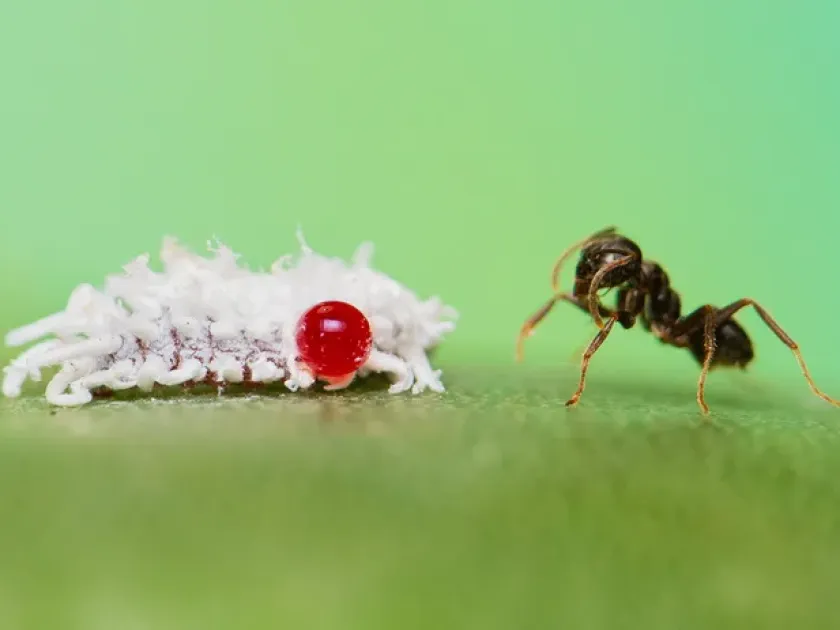
The cactus mealybug (often referred to as cochineal) is a small hemipteran insect known for its characteristic white, cottony, wax-like filaments that cover the female's body and egg masses.
Adult females are sessile, meaning they remain stationary once they have settled on a feeding site. They are protected by a thick waxy coating that serves as a shield against environmental stressors and many common contact insecticides.
The first instar larvae, often called "crawlers," are the only stage capable of active dispersal. These tiny, mobile insects can quickly move across the plant surface or be carried by air currents to neighboring plants.
Beneath the waxy white coating, the body of the insect is dark red or purple. Crushing a specimen will reveal a deep carmine dye, which is a definitive way to identify this specific pest in a collection.
These pests prefer sheltered spots. They are commonly found tucked away in the areoles, between ribs, or hidden at the base of cactus spines, making them difficult to spot during initial inspections.
What it damages
While primarily a pest of Opuntia species, the cactus mealybug can infest a wide variety of other cacti and succulent species when grown in close proximity within nurseries or private collections.
They feed by inserting their piercing-sucking mouthparts into the plant tissues and extracting nutrient-rich sap. This constant draining of resources causes the plant to lose turgor, wilt, and eventually cease its growth cycle.
The feeding sites often develop necrotic spots, lesions, and localized tissue deformation. In severe cases, the entire stem may become disfigured or necrotic, creating entry points for secondary bacterial and fungal rot.
During feeding, the insects excrete honeydew, a sugary substance that encourages the growth of sooty mold. This mold forms a black coating on the epidermis, significantly hindering the plant's ability to photosynthesize.
Younger or stressed plants are at the highest risk of mortality. A heavy infestation can weaken a cactus to the point where it becomes unable to recover even after the pest is eradicated.
When it appears
In greenhouses and indoor home environments, the cactus mealybug can thrive throughout the entire year. The stable, warm temperatures found in most indoor spaces allow for continuous, overlapping generations.
Peak activity and population growth typically occur during the warmer spring and summer months. Increased light levels and temperatures accelerate the reproductive rate of the population.
While reproductive rates may slow slightly during the winter months, the indoor environment often remains warm enough for the life cycle to continue, posing a constant threat to the collection.
Migration of crawlers occurs at any time during the active growing season, and since they are so small, new infestations often go unnoticed until the colonies become established and visible.
Dry indoor air, common in heated buildings, helps create a favorable environment for the survival and spread of mealybug nymphs, which are sensitive to high humidity.
Signs of infestation
The primary visual indicator is the presence of white, fuzzy, cotton-like masses on the cactus stem. These are most frequently located in the areoles or near the growth points.
Sticky residue on the surface of the plant, or droplets of honeydew found on surfaces beneath the pot, are clear signs that an active colony is present and feeding.
The development of yellow patches, sunken areas, or premature shriveling of the stem are symptomatic of long-term feeding damage that has affected the internal vascular structure.
If you notice a lack of healthy new growth during the active season, it is a sign that the plant's resources are being redirected to support the invading pest population.
The presence of tiny winged adults (males) flying near the plants during the evening hours is a definitive warning sign that the colony is fully mature and reproducing.
Control measures
Control must be multi-faceted to overcome the protection provided by the waxy layers. Mechanical removal using a soft brush or a cotton swab dipped in rubbing alcohol is an effective first step.
- Isolate all infested plants immediately to prevent the spread of crawlers.
- Apply systemic insecticides that are absorbed by the plant and ingested by the insects.
- Use insecticidal soaps to dissolve the waxy protective layer of the pest.
- Monitor all new additions to the collection for at least 30 days before introducing them to established plants.
Systemic insecticides are the most reliable method for controlling established colonies. These chemicals move throughout the plant's vascular system, ensuring that even hidden insects are targeted.
If the infestation is severe, repotting the plant into fresh, sterile substrate is recommended. This helps remove eggs and nymphs that may be hidden in the soil or clinging to the root system.
Strict quarantine protocols for new plants are the most successful preventative measure. Never introduce a new plant to your main collection without a thorough inspection and a mandatory isolation period.
Taxonomy
- Latin name
- Dactylopius opuntiae
- Order
- Hemiptera (bugs, aphids, leafhoppers)
- Family
- Dactylopiidae
- EPPO code
- DACLOP
Discussion
No discussions yet — be the first.