
Mirror carp
Cyprinus rex-cyprinorum
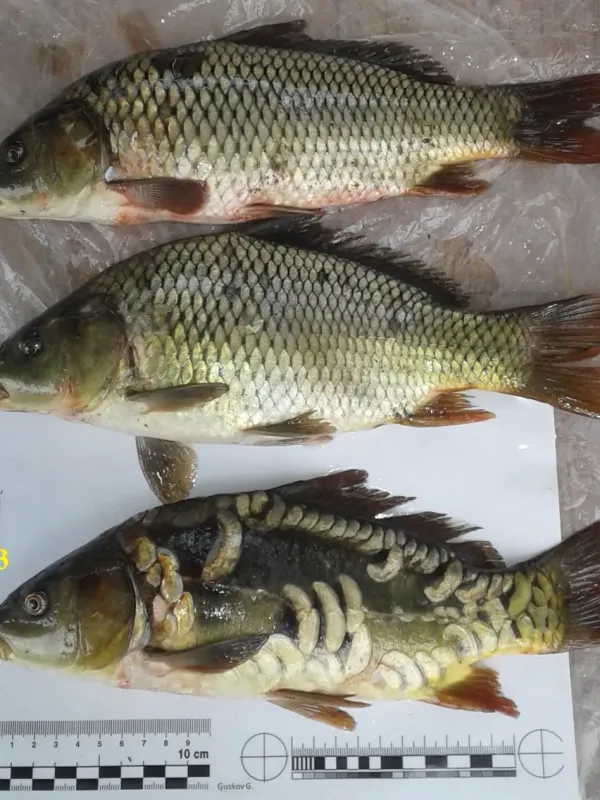
Description
How to identify
The mirror carp (lat. Cyprinus carpio, form rex-cyprinorum) is a member of the Cyprinidae family and the Cypriniformes order. This freshwater fish is known for its large, irregularly scattered scales or lack thereof, which distinguishes it from the common carp.
In agricultural environments, particularly within aquaponics or integrated rice-fish systems, this species acts as an active biological agent. Its behavior significantly influences the integrity of the substrate and the roots of planted crops.
The species is an omnivorous benthophage. Its mouth structure is evolved for searching for prey within the substrate, which leads to the uprooting of vegetation in agricultural water systems.
The biological cycle of the carp is temperature-dependent. Growth and activity peak between 20–25 degrees Celsius, during which the fish's metabolic needs drive constant foraging behavior throughout the flooded areas.
The fish progresses through several life stages, from larvae to adult. During the active growth phase, its presence requires careful management to ensure it does not compromise the agricultural yield of the system.
What it damages
The primary agricultural damage caused by the mirror carp occurs in flooded rice paddies. The fish disturbs the soil to find larvae, which often results in the uprooting of young rice seedlings, leading to sparse crop density.
In modern aquaponic setups, the mirror carp can damage vegetable root systems. Physical interaction with the fish as they swim through hydroponic troughs leads to the shearing of delicate root hairs.
The foraging activity increases water turbidity, which can interfere with the nutrient uptake efficiency of plants and disrupt the microbial balance essential for plant health in hydroponic solutions.
The waste produced by a dense population of carp alters the water chemistry, specifically increasing ammonia levels, which can cause significant stress or chemical damage to the crops.
Economic losses arise not only from direct plant destruction but also from the additional costs associated with cleaning filtration systems and replanting damaged areas in the cultivation zone.
Control measures
Installing protective netting with small apertures is the most effective way to separate the root zone from the fish, preventing mechanical damage while maintaining the aquaponic balance.
In rice farming, controlled drainage of paddies during the critical stages of rice development forces the fish to relocate to dedicated nurseries, significantly reducing the impact on young shoots.
Managing the fish density is crucial for integrated systems. By strictly regulating the number of fish per cubic meter, farmers can keep the environmental impact within acceptable limits.
Implementing advanced filtration technology helps mitigate the chemical changes caused by fish waste, ensuring that the water remains suitable for plant growth despite the presence of livestock.
Regular monitoring of plant health and substrate condition allows for early detection of fish-related damage, enabling farmers to apply corrective measures before the crop sustains irreversible harm.
Taxonomy
- Latin name
- Cyprinus rex-cyprinorum
- Family
- Cyprinidae
- EPPO code
- CYPNRC
Discussion
No discussions yet — be the first.