
Grass carp
Ctenopharyngodon
Description
How to identify
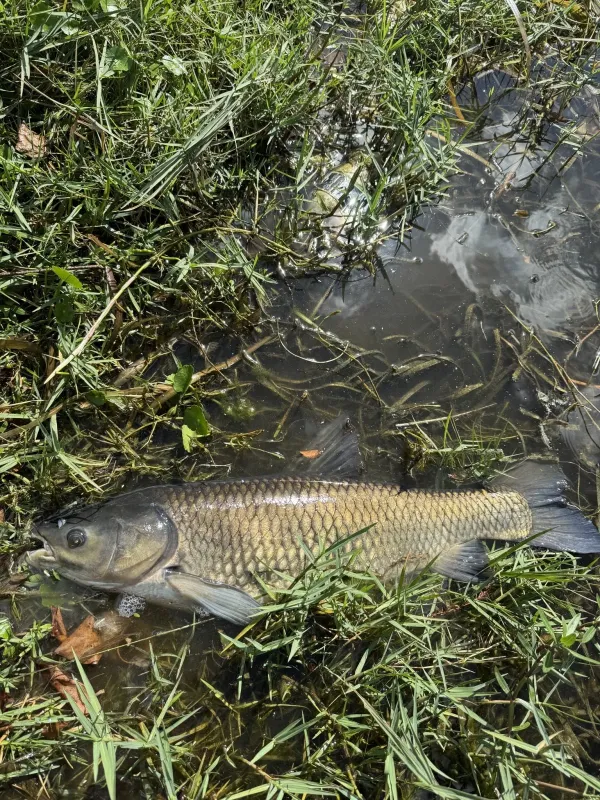
Grass carp (Ctenopharyngodon idella) belongs to the order Cypriniformes and the family Cyprinidae. It is a large freshwater fish with an elongated body and powerful pharyngeal teeth designed specifically to shred and consume tough aquatic plant matter.
These fish are known for their rapid growth rates and can exceed 30 kg in weight, requiring massive daily intake of vegetable food to survive.
Their biology is centered around high metabolic rates that increase significantly with water temperature, making them voracious eaters in summer months.
The life cycle begins with spawning in river currents, but they are highly adaptable and thrive in various stagnant or slow-moving water bodies once matured.
As a non-native species in many regions, they often lack natural predators, allowing their populations to expand rapidly if not properly managed.
What it damages
Grass carp are highly destructive because they consume aquatic macrophytes that provide vital habitat for indigenous fish and invertebrate species.
In agricultural settings, they can breach irrigation systems, damaging aquatic crops and disrupting the hydraulic efficiency of water transport networks.
Overgrazing of underwater vegetation removes the stabilizing root systems, leading to increased erosion of the riverbanks and pond shorelines.
The loss of plant cover often triggers excessive growth of toxic phytoplankton, which can lead to eutrophication and oxygen depletion in the water.
By eliminating biodiversity in the aquatic flora, these fish destabilize the food web and drastically alter the ecology of the invaded water body.
When it appears
The primary feeding season spans spring through summer, as their metabolic efficiency is directly linked to water temperature levels.
During the peak of summer, grass carp exhibit maximal consumption rates, often clearing vast areas of aquatic vegetation within a few weeks.
Autumn brings a decline in food consumption as water temperatures drop, signaling the fish to prepare for a period of reduced activity.
During the winter months, grass carp become dormant or semi-dormant, residing in deeper parts of the water body to conserve energy.
The spring renewal phase is particularly sensitive, as the fish target newly emerging plant shoots, severely hindering the seasonal regrowth of flora.
Signs of infestation
Rapid disappearance of pond weeds, cattails, and other submerged plants is the most common indicator of a grass carp infestation.
Increased water turbidity caused by the lack of submerged root systems that would otherwise keep the bottom sediment anchored.
Visible scarring or clean-cut edges on remaining aquatic plant stems, characteristic of the powerful gnawing action of the fish's teeth.
The presence of large, schooling individuals patrolling shallow water areas is a clear sign of high population density.
Changes in the pond's overall biochemical balance, including frequent algae blooms resulting from the absence of competing macro-vegetation.
Control measures
Regulated fishing and population culling are the most effective methods to maintain grass carp numbers at sustainable levels.
Installing robust mesh screens and physical barriers in irrigation channels to prevent the accidental or intentional spread into sensitive areas.
Monitoring the biomass ratio to ensure that the number of fish introduced does not exceed the natural recovery rate of the aquatic vegetation.
Integrated water management plans that include biological checks and periodic assessments of the native aquatic plant community status.
Targeted habitat management to exclude grass carp from zones where endangered or ecologically significant plant species are established.
Taxonomy
- Latin name
- Ctenopharyngodon
- Family
- Cyprinidae
- EPPO code
- CTEPSP
Discussion
No discussions yet — be the first.