
Varied fungus beetle
Cryptophagus varus
Description
How to identify
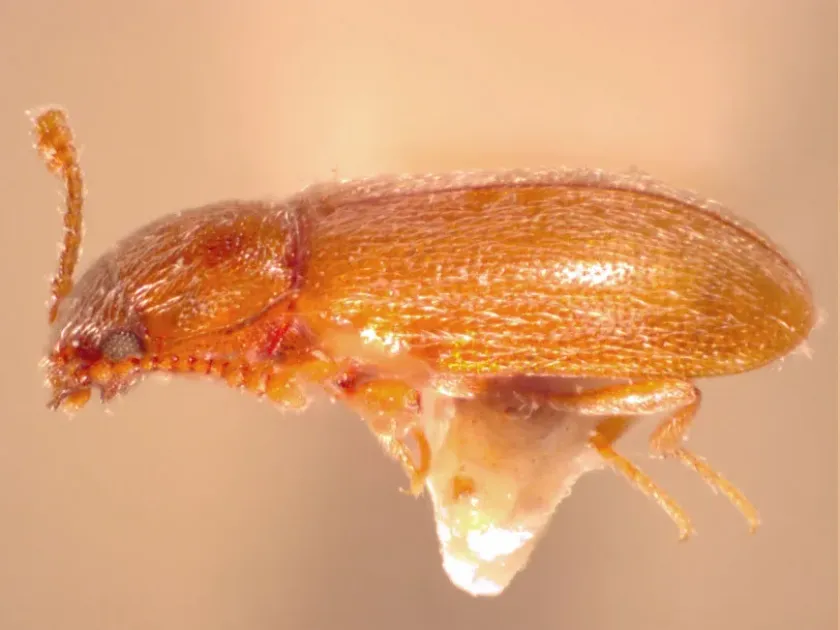
The Varied fungus beetle, scientifically known as Cryptophagus varus, belongs to the family Cryptophagidae. These are small beetles, typically measuring 2–3 mm in length, characterized by a brownish or reddish-brown body and an elongated shape.
A key identifying feature of this species is the structure of the pronotum, which features prominent lateral teeth or projections at the anterior angles. This diagnostic trait is crucial for accurate species identification under laboratory conditions.
The antennae are clavate, ending in a distinct three-segmented club. The surface of the beetle's body is covered with fine hairs, which is typical for many members of this family, aiding in their detection within dusty grain environments.
Larvae are whitish and cylindrical, possessing a moderate degree of sclerotization. They are often difficult to spot in bulk grain as they reside in dark, humid crevices and feed on fungal spores.
As obligate mycetophages, these beetles are intrinsically linked to environments where molds and fungi are proliferating, making their presence a reliable bioindicator of poor storage conditions.
What it damages
Cryptophagus varus primarily infests stored grain, including wheat, barley, maize, and processed products like flour or animal feed. They are particularly attracted to stored commodities with high moisture content.
The beetles and their larvae graze on fungal hyphae and spores developing on the grain surface. While they are secondary pests, their feeding activities can significantly damage the grain germ, leading to a loss in germination viability.
Infestations result in grain contamination with frass, exuviae, and dead insect bodies, which taints the product and reduces its commercial value. The associated mold growth can produce mycotoxins, making the grain unsafe for processing.
Large populations cause localized overheating within the grain bulk, which facilitates the growth of primary pests and accelerates the decay of the entire stored lot.
Constant presence in a warehouse indicates a lack of proper moisture control, which is the primary driver of damage caused by this species in the agricultural sector.
When it appears
The development of this pest is highly dependent on environmental variables within the storage facility. An optimal temperature range above 20°C combined with grain moisture levels exceeding 14% creates ideal conditions for rapid reproduction.
The life cycle encompasses egg, larval, pupal, and adult stages. Females oviposit directly into damp, moldy substrates, ensuring that larvae have immediate access to their fungal food source upon hatching.
In heated or climate-controlled warehouses, Cryptophagus varus can complete its life cycle year-round. Conversely, in unheated facilities, activity slows down significantly during winter months, though the beetles remain alive in a state of dormancy.
The speed of the life cycle can range from a few weeks to several months, depending on the availability of moisture-driven mold. The most intense population spikes are typically observed during the spring and summer seasons.
Initial colonization occurs through the introduction of infested raw materials, contaminated transport equipment, or from existing populations residing in the structural cracks of the storage building.
Signs of infestation
The earliest indicator of an infestation is a distinct, musty, mold-like odor emanating from the grain storage area. Adult beetles may be visible on the surface of the grain mass when temperatures are favorable.
Visual signs of damage include a dull appearance of the grain kernels and visible patches of mycelium. The presence of fine powdery residue near the edges of the grain pile indicates active feeding and development.
Lab-based sampling using sieves is the most reliable way to identify and quantify the population levels of Cryptophagus varus. Pheromone-based monitoring traps provide early detection before major economic loss occurs.
Localized hotspots of increased temperature within the grain indicate active metabolism of the pest community and the associated fungal flora, requiring immediate investigation.
Confirmation of the species requires microscopic examination to identify the characteristic pronotal teeth, differentiating them from other common storage beetles like saw-toothed grain beetles.
Control measures
The cornerstone of management is strict moisture control. Maintaining grain moisture levels below 13% prevents fungal growth, thereby depriving the varied fungus beetle of its primary food source and making the environment unsuitable for reproduction.
Sanitation practices are essential, including the thorough removal of old grain residues from corners, floor gaps, and equipment before the new harvest is stored. Regular cleaning reduces the population pressure.
Aeration systems should be used to maintain a uniform temperature and prevent the accumulation of moisture within the grain pile, which is vital for long-term pest management.
- Use grain aeration to maintain low-moisture storage conditions.
- Conduct regular inspections and temperature monitoring of bulk grain.
- Apply professional fumigation protocols if the infestation threshold is exceeded.
If chemical interventions are necessary, only products approved for use in stored products and grain facilities should be applied, following strict safety and residue-management protocols.
Taxonomy
- Latin name
- Cryptophagus varus
- Order
- Coleoptera (beetles)
- Family
- Cryptophagidae
- EPPO code
- CRYGVA
Discussion
No discussions yet — be the first.