
Cryptophagus schmidti
Cryptophagus schmidti
Description
How to identify
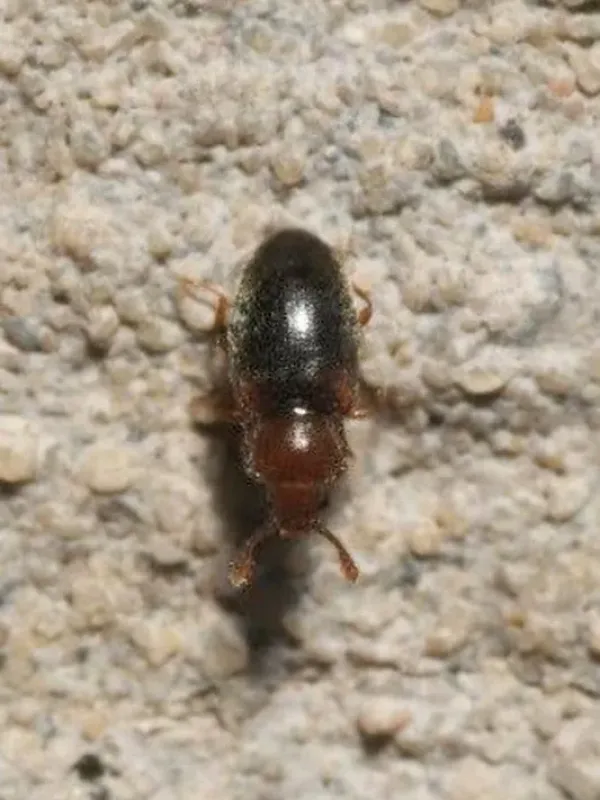
Cryptophagus schmidti is a small beetle belonging to the family Cryptophagidae (order Coleoptera). These insects typically measure between 2 and 3 mm in length.
The body is elongated and covered with fine hairs, which is a characteristic feature of this species. The head and pronotum often possess specific serrated edges.
The larvae are white and worm-like, equipped with mouthparts capable of feeding on damp organic matter and molds, which are their primary food source.
Adult beetles are mobile and capable of flight, allowing them to disperse throughout storage facilities and infest various types of stored commodities.
Developmental rate depends heavily on ambient temperature and humidity; the species thrives in conditions where mold growth is present.
What it damages
This beetle is considered a secondary pest of stored products, primarily found in granaries, mills, and warehouses where hygiene standards are compromised.
It feeds specifically on moldy grain, flour, bran, oilseeds, and dried fruits, often exacerbating the existing deterioration caused by fungi.
While it does not usually cause primary damage to healthy grain, its presence indicates high moisture levels which are detrimental to stored assets.
By consuming mold, the beetle effectively spreads fungal spores throughout the bulk, accelerating the spoilage of stored agricultural products.
Contamination of products with larval skins, feces, and dead insects leads to significant economic loss and rejection of batches in food production.
Signs of infestation
A musty or moldy odor emanating from the grain pile is one of the most reliable indicators of a potential infestation by this species.
Visual observation often reveals the presence of small, brownish beetles crawling on the surface of grain or near the walls of the warehouse.
Patches of grain that appear damp or clumped together often harbor high concentrations of these beetles and their larvae.
Visible traces of insect activity, such as powdery debris, cast-off skins, and damage to the seed coat, are clear evidence of a growing population.
Monitoring using sticky traps or pheromone attractants is a common method for early detection of these beetles in stored product facilities.
Control measures
The primary control strategy is moisture management; keeping the grain dry effectively prevents the growth of mold, the main food source for this pest.
Sanitation is critical, which includes regular cleaning of spilled grain, dust, and debris from floors and crevices where insects might breed.
Proper aeration of storage silos ensures consistent temperature and prevents localized hot spots that favor mold and pest development.
In cases of severe infestation, professional fumigation or the use of approved residual insecticides is necessary to eliminate the insect population.
- Maintain moisture content below critical levels.
- Implement strict warehouse sanitation protocols.
- Use automated ventilation to manage grain conditions.
- Perform regular checks for pest activity and fungal growth.
Taxonomy
- Latin name
- Cryptophagus schmidti
- Order
- Coleoptera (beetles)
- Family
- Cryptophagidae
- EPPO code
- CRYGSC
Discussion
No discussions yet — be the first.