
Coscinoptycha
Coscinoptycha
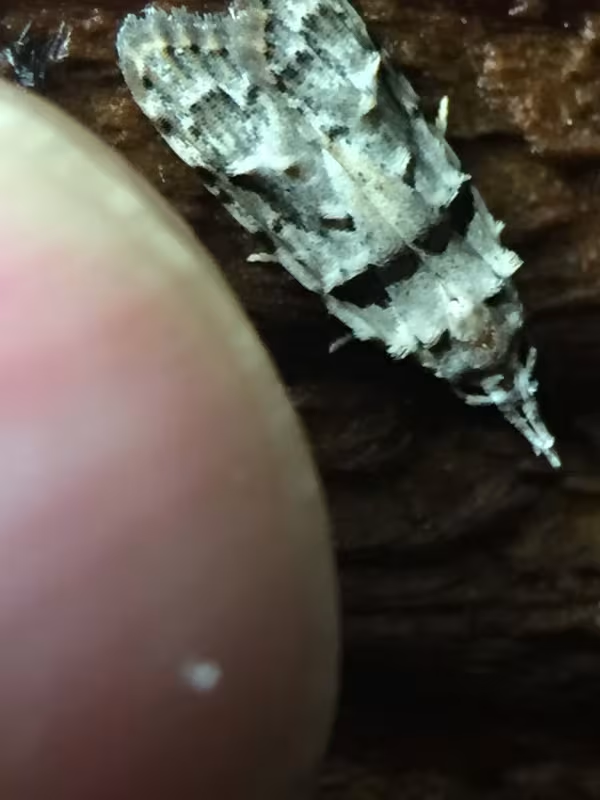
Description
How to identify
Coscinoptycha is a genus of moths belonging to the family Carposinidae. These insects are recognized as specialized pests that target specific fruit-bearing crops, significantly impacting horticulture.
The adult moth is typically small with cryptic coloration, allowing it to blend seamlessly into the bark of host trees, which serves as a defense mechanism against avian predators.
The larval stage is the most destructive phase, characterized by caterpillars with strong mandibles adapted for boring into plant tissues and consuming fruit interiors.
The life cycle involves complete metamorphosis, where the timing of egg-laying, larval development, pupation, and adult emergence is critical for monitoring efforts.
Taxonomically, they are distinct from more common polyphagous moths, making them highly dependent on specific host plants for their survival and reproductive success.
What it damages
Coscinoptycha primarily damages fruit crops by penetrating the skin and consuming the internal pulp, which renders the fruit unfit for commercial sale.
Feeding behavior often causes fruit drop before maturity, resulting in significant yield losses and potential long-term damage to the tree's reproductive health.
Beyond the fruit, larvae can infest developing buds and tender shoots, leading to stunted growth, distorted foliage, and reduced overall tree vigor.
The internal nature of the damage makes it difficult to detect in the early stages, often leading to hidden infestations that go unnoticed until harvest time.
Secondary infections, such as mold or bacterial rot, frequently colonize the damage sites, further accelerating the degradation of the affected fruit.
When it appears
The activity of Coscinoptycha is strictly seasonal and correlates with the phenological stages of the host plants, particularly the fruit-setting period.
Adult moths emerge and start laying eggs as soon as the trees initiate fruit development, ensuring that larvae have immediate access to nutrients.
The number of generations per year is highly dependent on climate, with warmer regions experiencing more frequent cycles and higher pest pressure.
Pupation commonly occurs in the soil or under bark, where the insect remains protected from adverse weather conditions until the next favorable season.
Effective management requires tracking the phenology of the pest using pheromone traps to pinpoint the exact timing for preventative measures.
Signs of infestation
The earliest signs of infestation include small, precise entry holes in the fruit, often marked by frass (larval excrement) around the opening.
Affected fruit may display premature color change or uneven ripening, providing a visual cue for orchard managers to inspect individual trees closely.
Internal examination reveals hollowed-out chambers within the fruit, often with the larva visible if the infestation is still active.
- Premature fruit abscission.
- Visible entry holes accompanied by debris.
- Distortion and curling of new plant growth.
Regular inspection and the use of monitoring devices are essential for detecting the presence of the pest before the population reaches an economic injury level.
Control measures
Control strategies emphasize Integrated Pest Management (IPM), combining chemical treatments with cultural practices to minimize reliance on synthetic pesticides.
Sanitation is a cornerstone of management; promptly collecting and destroying fallen fruit significantly reduces the number of larvae reaching the soil to pupate.
Biological control methods, including the application of beneficial nematodes or Bacillus thuringiensis, provide environmentally friendly options for suppression.
Systemic insecticides may be used during critical windows, but must be timed precisely with the egg-hatching period to be effective.
Maintaining orchard health through proper pruning and irrigation can increase the host plant's resistance and make the environment less favorable for pest colonization.
Taxonomy
- Latin name
- Coscinoptycha
- Order
- Lepidoptera (butterflies)
- Family
- Carposinidae
- EPPO code
- KOSCSP
Discussion
No discussions yet — be the first.