
Bondia comonana
Bondia comonana
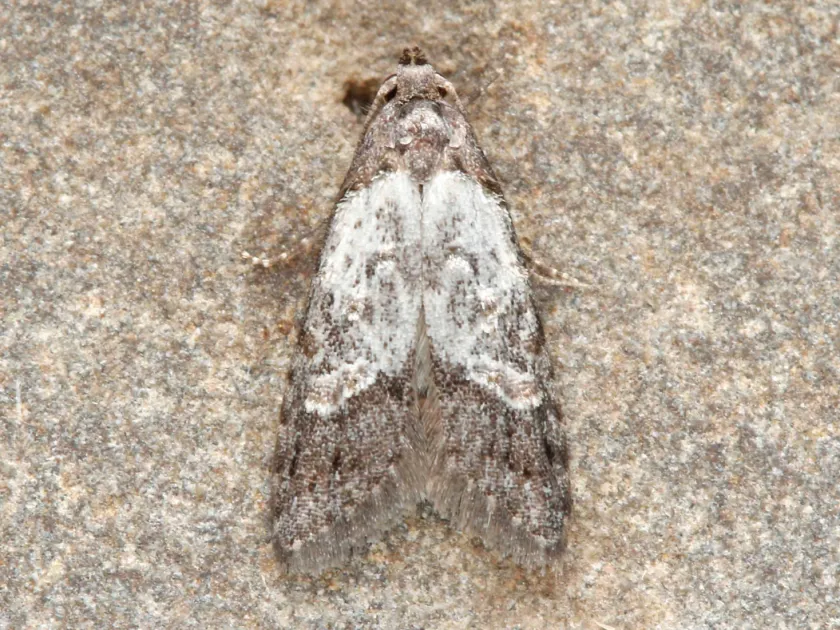
Description
How to identify
Bondia comonana is a species of moth belonging to the family Tortricidae. As part of this family, the adult moths are typically small and possess cryptic coloration, allowing them to blend into the bark of trees during the day.
Systematically, this species belongs to the order Lepidoptera. Entomologists identify this species through detailed morphological examination, specifically focusing on the wing patterns and internal reproductive structures which distinguish it from other related leafrollers.
The life cycle follows a complete metamorphosis: egg, larva (caterpillar), pupa, and adult. Each developmental stage is highly adapted to exploit specific parts of the host plant, ensuring the survival of the population through changing seasonal conditions.
Reproduction typically begins in late spring or summer. Females deposit eggs on host plant tissues, usually targeting young leaves or cracks in the bark, where the emerging larvae will have immediate access to food.
The pupal stage is spent within a silk cocoon, often hidden within rolled leaves or protected crevices. This stage is crucial for the insect's survival, as it prepares the organism for the final transformation into an adult moth.
What it damages
Bondia comonana primarily affects various fruit-bearing trees. The larvae are the main source of damage, as they feed on young foliage, flower buds, and developing fruit, which significantly impacts the tree's overall vigor.
Larval feeding on buds and shoots often results in the destruction of the growing points, leading to stunted growth or complete death of the affected branches. This damage is particularly critical in young nurseries and orchards.
Feeding patterns on leaves lead to tissue loss and potential leaf drop, which reduces the photosynthetic capacity of the tree. Consequently, the tree becomes less capable of producing high-quality fruit, leading to economic losses for the grower.
In addition to direct feeding, the webbing created by the caterpillars can trap debris and moisture, creating a micro-environment that may encourage the development of fungal pathogens and further stress the host plant.
High infestation levels can lead to significant fruit loss, as larvae may tunnel into the fruit, rendering them unsuitable for market. Early detection is essential to prevent these infestations from spreading throughout the entire orchard.
Signs of infestation
The most prominent sign of infestation is the presence of rolled or webbed leaves. Caterpillars often create small nests by stitching leaves together with silk, which provides them with shelter and a consistent food source.
The accumulation of frass (larval droppings) on the leaves and branches is a clear indicator of active feeding. Growers should inspect the foliage for irregular holes or missing margins on the leaf blades.
Damage to dormant buds in early spring, where they fail to open or appear hollowed out, suggests that overwintering larvae have begun their spring activity. This is a critical time for visual inspection and early intervention.
The presence of adult moths during twilight hours can be monitored using light traps. Observing a sudden increase in moth activity is an early warning sign that the population is preparing to lay eggs.
Empty pupal cases left in crevices or curled leaves at the end of the season indicate the success of the previous generation. These sites should be cleaned to reduce the starting population for the following year.
Control measures
Sanitation practices, such as pruning and removing infected branches or leaf debris, are the first line of defense. By eliminating these overwintering sites, growers can effectively reduce the population pressure on their crops.
Biological control options include the application of Bacillus thuringiensis or other microbial insecticides. These treatments specifically target the larval stages and are generally safe for non-target beneficial insects and pollinators.
Chemical control should be implemented based on monitoring data and economic threshold levels. Using selective insecticides during the sensitive larval stages can prevent large-scale outbreaks while preserving the orchard's ecological balance.
Pheromone traps are highly effective for monitoring the population dynamics of the pest. By tracking the mating cycles, growers can time their interventions precisely, ensuring that control measures are as efficient as possible.
An integrated pest management (IPM) strategy that combines monitoring, cultural practices, and selective biological or chemical control is the most sustainable way to manage Bondia comonana in a productive fruit orchard.
Taxonomy
- Latin name
- Bondia comonana
- Order
- Lepidoptera (butterflies)
- Family
- Carposinidae
- EPPO code
- BNDICO
Discussion
No discussions yet — be the first.