
Bondia
Bondia
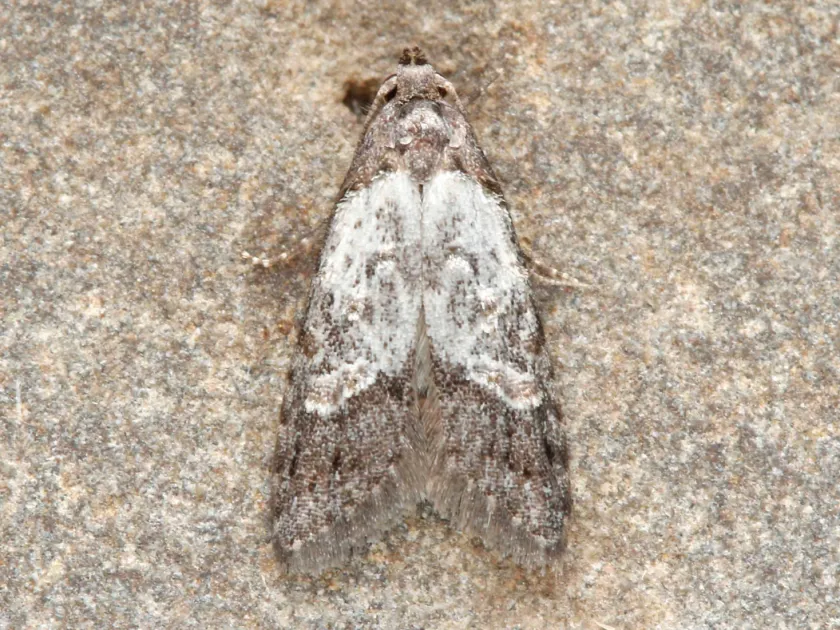
Description
How to identify
The genus Bondia belongs to the family Carposinidae, an order of Lepidoptera. These moths are generally nocturnal and often go unnoticed due to their small size and cryptic coloration that blends with bark.
Adult moths typically have a wingspan of 15–20 mm. Their wings often feature camouflage patterns, which help them remain concealed during the day on the surfaces of host plants or surrounding structures.
The larvae, or caterpillars, undergo several instars during their development. As they grow, they become more distinct, often exhibiting specific body colorations that help in their identification by professional agronomists.
The biology of Bondia is intrinsically linked to the phenology of fruit and berry crops. Females deposit eggs directly on the fruit or tender shoots, ensuring that larvae have an immediate food source upon hatching.
As specialized phytophagous insects, they occupy a specific ecological niche, making them significant subjects for horticultural pest management programs aimed at reducing fruit damage.
What it damages
The primary damage is caused by larvae that bore into fruit, buds, or developing shoots. This feeding habit frequently leads to premature fruit drop and significant yield losses in commercial orchards.
Bored fruit is highly susceptible to secondary infections, including fungal and bacterial rots, as the entry holes provide an open pathway for pathogens to colonize the interior tissue of the fruit.
During heavy infestation years, the cumulative economic damage can be substantial. Beyond direct fruit loss, the aesthetic quality of the harvest is severely compromised, rendering it unsuitable for fresh market sale.
Some species in this group may also target growing tips, causing distortion or withering of shoots, which affects the overall development and structural integrity of the plant over subsequent seasons.
Once the larvae have burrowed deep inside the fruit, they become extremely difficult to reach with standard contact pesticides, making timing of application the most critical factor in their management.
When it appears
Adult emergence typically begins in the spring as temperatures rise, coinciding with the flowering stages of various host plants. This is a critical time for monitoring populations.
Depending on the climatic zone, the pest can complete several generations per season. In warmer regions, shortened generation times can lead to rapid population build-ups that require aggressive management.
The most active period for larvae, and thus the time of highest risk to crops, is during the fruit set and maturation phases. Monitoring efforts should be intensified during these specific stages.
As the season ends, the final generation larvae seek overwintering sites. They often construct cocoons in protected areas like bark crevices, leaf litter, or the upper soil layer, where they enter diapause.
Weather patterns significantly influence the annual population density of Bondia. Hot and dry summers often favor faster development, potentially leading to more intense infestations throughout the harvest period.
Signs of infestation
The earliest sign of infestation is often the appearance of small entry holes on the fruit surface, frequently accompanied by sap exudation or larval frass (excrement) around the site.
Buds that dry out or fail to bloom during the spring are often infested. Close inspection of these buds usually reveals the presence of larvae or evidence of internal feeding damage.
Silken webs spun between leaves or around fruit clusters are characteristic of many Carposinidae species, used by larvae for protection as they feed on external tissues before boring in.
Premature ripening or discoloration of fruit on specific branches can be a warning sign that a larva is feeding inside, disrupting the normal metabolic and ripening processes of the fruit.
Using pheromone traps is the most reliable way to identify the presence of the pest in the orchard. The traps help agronomists catch adults early, providing a clear sign that control measures must begin.
Control measures
Cultural control is essential. Regularly collecting and disposing of fallen fruit helps remove larvae before they migrate to the soil or bark to pupate, effectively breaking the pest's life cycle.
Fall maintenance, such as scraping loose bark from trunks and shallow cultivation of the soil around the base of trees, can destroy overwintering sites and significantly reduce the local population.
Biological control, including the use of entomopathogenic fungi or bacteria, is highly effective against early-instar larvae. These options are generally safer for beneficial insects present in the orchard.
Chemical intervention should be strategically timed to coincide with the period when larvae have hatched but have not yet bored into the fruit. Once inside, they are effectively protected from most treatments.
- Monitor populations using pheromone traps.
- Sanitation: remove and destroy infested fruit.
- Apply selective biorational insecticides.
- Enhance populations of natural parasitoids.
Taxonomy
- Latin name
- Bondia
- Order
- Lepidoptera (butterflies)
- Family
- Carposinidae
- EPPO code
- BNDISP
Discussion
No discussions yet — be the first.