
Cornitermes cumulans
Cornitermes cumulans
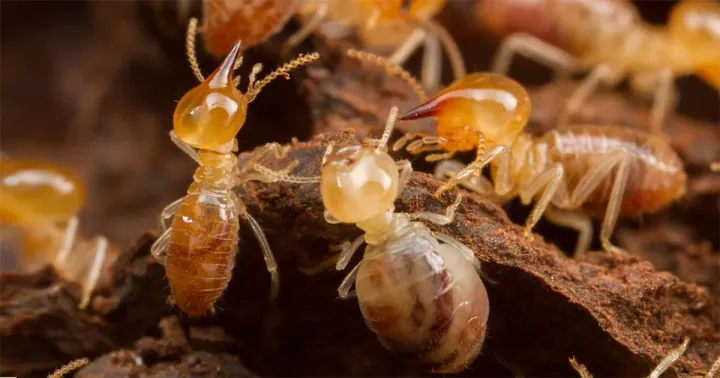
Description
How to identify
Cornitermes cumulans is a species of subterranean termite belonging to the family Termitidae, widely recognized for its social structure.
Colonies are characterized by a caste system comprising workers, soldiers with specialized mandibles, and reproductive individuals responsible for colony expansion.
These insects are well-known for building large, conspicuous earthen mounds that can alter the topography of pastures and agricultural fields.
The life cycle involves an egg stage, several nymphal instars, and the emergence of alates during nuptial flights, triggered by rainfall patterns.
They are highly adaptive insects capable of surviving in diverse soil types while maintaining stable internal conditions within their massive mounds.
What it damages
This species is considered a major agricultural pest, frequently attacking sugarcane, maize, and various timber species such as eucalyptus.
The damage is primarily subterranean, with workers feeding on the root systems of young plants, leading to severe vigor loss or plant death.
By consuming the root tissues, they disrupt water and nutrient uptake, which is particularly devastating for seedlings during their critical growth stage.
Beyond crop destruction, their mound-building activity can interfere with soil preparation, harvesting machinery, and irrigation system maintenance.
During dry seasons, when organic debris is scarce, the termites shift their foraging habits, causing increased pressure on living agricultural crops.
Signs of infestation
The most prominent sign of infestation is the appearance of hardened earthen mounds scattered across the field, indicating the presence of active colonies.
Symptoms in crops include localized patches of yellowing, wilting plants that fail to recover even after adequate irrigation or rainfall.
Plants often exhibit signs of instability, appearing loose in the soil because the root anchor has been partially or completely eaten away.
The presence of fine soil tunnels or galleries on the base of stems and roots is a hallmark of termite activity in the immediate vicinity.
A sudden decline in crop stand density without obvious signs of fungal infection or moisture stress strongly points to subterranean termite activity.
Control measures
Physical destruction of mounds via mechanical tillage helps disturb the colony structure and exposes individuals to environmental stressors.
Targeted application of soil-applied insecticides around the crop root zone provides a protective barrier against subterranean foraging.
Baiting systems utilizing slow-acting, transferrable toxins are highly effective as they allow foragers to carry lethal doses back to the central mound.
Biological control agents, particularly entomopathogenic fungi like Beauveria bassiana, are increasingly used to suppress population growth.
Regular surveillance and the maintenance of healthy soil organic matter levels can help mitigate the risk of termites switching to live crop tissues.
Taxonomy
- Latin name
- Cornitermes cumulans
- Family
- Termitidae
- EPPO code
- CRNTCU
Discussion
No discussions yet — be the first.