
Comatermes
Comatermes
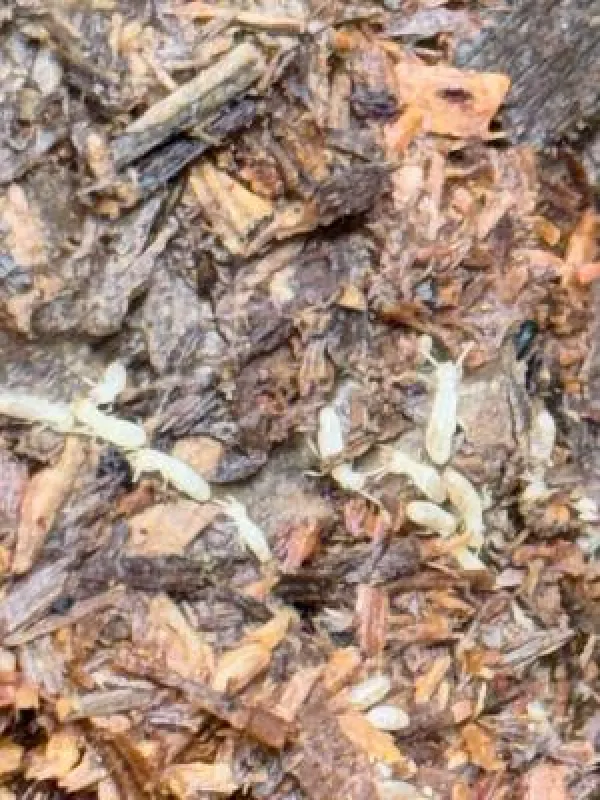
Description
How to identify
Comatermes is a genus of termites belonging to the Kalotermitidae family, also known as drywood termites. Unlike subterranean termites, they live exclusively within the timber they consume and do not require contact with the ground.
The biology of Comatermes involves a social structure consisting of castes, including soldiers with hardened heads and mandibles used for defense, and workers who perform the excavating tasks.
They are well-adapted to surviving within relatively dry wood, deriving their moisture requirements from the wood itself and the metabolic processes of their digestive symbionts.
Their cryptic behavior makes them difficult to identify in the early stages, as they spend their entire life cycle hidden deep within the wood, avoiding light and environmental exposure.
Species within this genus have specific habitat preferences, often occupying standing trees or structural timbers in tropical regions where environmental stability allows for long-term colony growth.
What it damages
Comatermes primarily attacks dead or dying wood within living trees, as well as dead branches on otherwise healthy specimens. In orchards, this can lead to severe structural damage to the tree trunks.
The destruction of internal vascular tissues by these termites weakens the tree, leading to increased susceptibility to snapping in high winds and secondary infections by fungi or bacteria.
Agricultural buildings and wooden equipment are also highly vulnerable. The termites feed on the cellulose content, slowly hollowing out beams and supports until the structural integrity is compromised.
Since the exterior layer of the wood is usually left intact to protect the colony from predators and drying, the extent of the damage is often underestimated until a total failure of the structure occurs.
Economic impact is significant, encompassing the loss of valuable fruit-bearing trees and the high costs associated with repairing or replacing termite-damaged infrastructure on farms.
Signs of infestation
The most reliable sign of a Comatermes infestation is the presence of fecal pellets. These small, six-sided or oval-shaped droppings are pushed out of tiny exit holes by the workers.
Small entry or exit holes on the surface of the bark or timber indicate active tunneling. These holes are sometimes sealed with a paste made of frass and debris to maintain the internal environment.
A dull, hollow sound produced when tapping a tree trunk or wooden beam is a strong indicator that the interior has been significantly excavated by the termite colony.
The seasonal swarming of alates (winged reproductive termites) is a common sight in areas with established colonies, signalling that the colony has reached a mature, reproductive stage.
- Accumulation of granular frass near wood or trunks.
- Hollowed-out timber revealed by tapping.
- Presence of tiny circular holes on the surface.
- Swarming of winged termites in the vicinity.
- Unexplained fragility of large branches or structures.
Control measures
Sanitation practices such as the prompt removal and destruction of infested branches are critical. This prevents the spread of the termite colony to other parts of the orchard or nearby structures.
For wooden structures, prophylactic treatment with professional-grade borate-based wood preservatives provides a long-lasting chemical barrier against infestation by drywood termites.
Fumigation is the most effective approach for eliminating existing colonies deep within large wooden structures or mature trees, ensuring that the gas penetrates all internal galleries.
Integrated Pest Management (IPM) strategies, including regular visual inspections and the use of specialized traps, help in identifying activity before the damage becomes irreversible.
Maintaining the overall health and vigor of fruit trees reduces the likelihood of them becoming targets for Comatermes, as they often prefer stressed or decaying host plants.
Taxonomy
- Latin name
- Comatermes
- Family
- Termitidae
- EPPO code
- COMASP
Discussion
No discussions yet — be the first.