
Coenomorpha nervosa
Coenomorpha nervosa
Description
How to identify
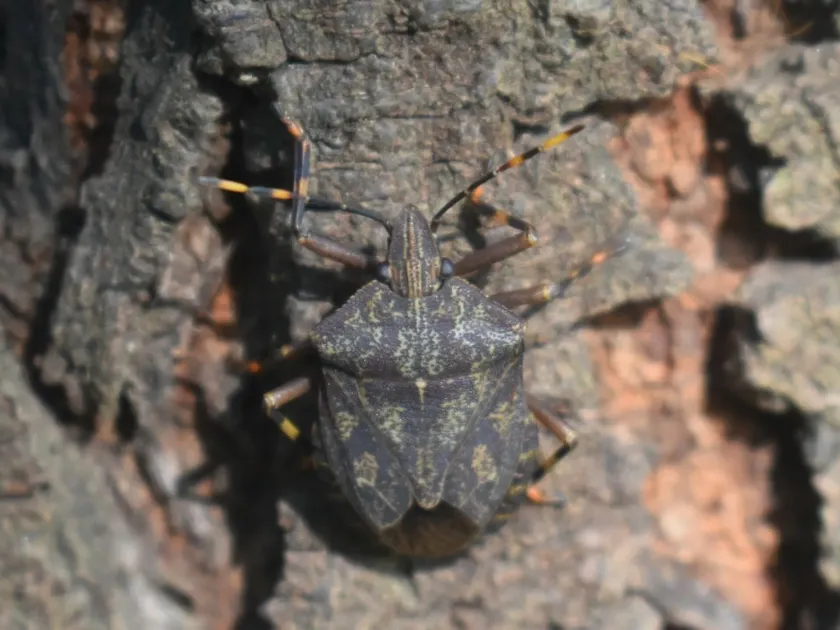
Coenomorpha nervosa is a member of the shield bug family (Pentatomidae) within the order Hemiptera. These insects are easily recognized by their distinct shield-shaped body, which is a hallmark of this family of "stink bugs".
Adult insects possess a specialized piercing-sucking mouthpart designed to feed on plant sap. Their coloration is typically cryptic, serving as a camouflage against the foliage of their host plants, making them difficult to spot during the day.
The life cycle of this species comprises the egg stage, five nymphal instars, and the adult stage. Nymphs resemble miniature versions of the adults but lack fully developed wings and may exhibit different color patterns.
These pests generally overwinter as adults, finding shelter in leaf litter, debris, or under the bark of trees near agricultural fields. As temperatures rise in spring, they migrate to host plants to begin feeding and reproduction.
Field identification requires thorough inspection of leaves and stems. Often, the presence of the bug is first noticed through its feeding damage or the presence of shed exuviae (cast-off skins) left behind by developing nymphs.
What it damages
Coenomorpha nervosa inflicts damage by draining nutrients from various plants, targeting both vegetative growth and reproductive structures. This feeding habit causes a significant loss of vitality in the host plants.
When the bug pierces the plant tissue, it injects enzymes that break down plant cells for easier consumption. This often leaves necrotic spots on the leaves and stems, which can serve as entry points for secondary pathogens and fungal infections.
The most severe damage occurs when the pest feeds on flower buds and developing fruits. This can lead to fruit abortion, stunted growth, or severe deformation, rendering the crop unmarketable for agricultural producers.
Prolonged feeding causes the plant to become weak and susceptible to environmental stresses such as drought or heat waves. In severe infestations, entire sections of a crop can show signs of wilting and necrosis.
Nymphs are often more destructive than adults due to their high demand for energy during their rapid development stages. Their congregation on tender growth points can lead to total loss of those specific parts of the plant.
Control measures
Management of Coenomorpha nervosa involves integrated pest management (IPM) practices. The first line of defense is the rigorous control of weeds in and around the field to remove alternative hosts and overwintering sites.
Tillage practices after harvest help to disrupt the overwintering habitats of the adult bugs, significantly reducing the population pressure for the next growing season. Maintaining clean field borders is equally important.
Chemical control via insecticides is recommended only when monitoring confirms that the insect population has crossed the economic injury threshold. Systemic insecticides are often preferred to ensure residual protection.
Monitoring programs, such as using traps or regular visual scouting, are essential for determining the timing of control measures. Early detection allows for targeted treatments rather than full-field spraying.
Biological control strategies focus on supporting the natural enemies of shield bugs, including parasitic wasps that attack their eggs. Promoting biodiversity in the ecosystem helps keep pest populations within tolerable limits.
Taxonomy
- Latin name
- Coenomorpha nervosa
- Order
- Hemiptera (bugs, aphids, leafhoppers)
- Family
- Pentatomidae
- EPPO code
- COERNE
Discussion
No discussions yet — be the first.