
Cochlodina
Cochlodina
Description
How to identify
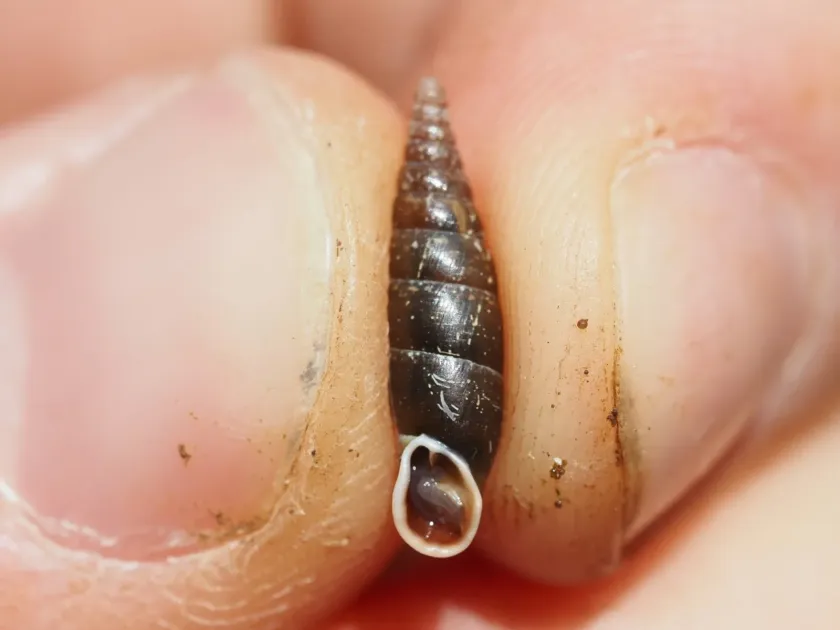
Cochlodina is a genus of land air-breathing gastropod molluscs belonging to the family Clausiliidae (door snails). They are characterized by an elongated, spindle-shaped shell that is typically left-handed (sinistral), which serves as a primary diagnostic feature for identifying this genus.
The body of the mollusc is soft, possessing the typical form of land snails, and is capable of significant contraction. The shell color ranges from light horn to dark brown, often featuring fine transverse striations, which helps them camouflage effectively on tree bark and leaf litter.
Unlike many other garden pests, Cochlodina lead a secretive lifestyle, preferring humid and shaded environments. During the daylight hours, they remain largely inactive, hiding in bark crevices or under decaying organic matter, making detection difficult during the early stages of an infestation.
The life cycle of Cochlodina is closely tied to environmental humidity. They are hermaphrodites, allowing them to reproduce rapidly in favorable conditions where sufficient moisture and shelters, such as mulch or dense plantings, are available.
These molluscs possess a powerful radula (a tooth-bearing structure), which they use to scrape off soft plant tissues. Adult specimens generally do not exceed 10-15 millimeters in length, rendering them inconspicuous when the population density is low.
What it damages
Cochlodina most frequently damages ornamental plants, shrubs, and woody crops in gardens and parklands. Under conditions of high humidity, they can cause damage to young shoots, leaves, and flower stalks, leaving behind characteristic holes and ragged, eaten edges.
They pose a particular risk to plants grown in shaded, damp areas or in greenhouses, where a constant microclimate of high air humidity is maintained. The pest is capable of damaging both aerial parts and the bark of young saplings.
Damaging plant tissues exposes them to secondary infections, such as fungal diseases and bacterial rots. This leads to weakened plant immunity, premature wilting, and a significant reduction in the aesthetic value or overall crop yield.
In garden settings, Cochlodina often inhabit older trees, where they feed on lichens and algae growing on the bark; however, when natural food sources are scarce, they migrate to young leaves and buds located near the trunk base.
The intensity of damage is directly proportional to the population density. In cases of mass reproduction, the pest is capable of completely destroying young seedlings or significantly deforming the appearance of ornamental plants, necessitating urgent control interventions.
When it appears
The peak activity of Cochlodina occurs during the spring and autumn periods, when air temperatures are moderate and humidity levels reach their maximum. During dry summer months or severe frost, the molluscs enter a state of dormancy or aestivation.
In spring, immediately after the snow melts and temperatures rise, overwintered individuals emerge from their hiding spots for feeding and subsequent reproduction. This period is the most critical for seedlings and young shoots of spring-season crops.
Summer activity levels are highly dependent on rainfall. In a rainy summer, the pest maintains high mobility and feeding aggression throughout the entire season, whereas drought forces them deep into the soil substrate for protection.
Autumn marks a second peak in activity, associated with the molluscs preparing for winter. During this time, they feed intensively to accumulate the energy reserves necessary to survive the unfavorable conditions of the winter months.
Overwintering of both adults and juveniles occurs in the surface soil layer, under fallen leaves, in tree bark crevices, or in other protected, frost-free locations where stable humidity is maintained.
Signs of infestation
The first sign of an infestation is the presence of uneven, "ragged" leaf edges on the lower tiers of the plant. Unlike insects, Cochlodina feed on plant tissues irregularly, leaving behind distinct furrows and holes of varying sizes on the leaf surface.
An important indicator of the pest's presence is the existence of dried mucus, which glistens in the sunlight like silvery trails. These tracks may be visible on the surface of leaves, stems, or the soil under the plant following their nocturnal feeding activities.
Inspecting tree bark during the early morning hours can reveal the molluscs themselves, attached to the trunk or tucked into crevices. In dense foliage, their presence is betrayed by damaged, drooping tissues of young shoots that begin to yellow and wither.
The presence of large quantities of excrement in the form of small granules at the base of bushes or on the soil surface near affected plants also serves as evidence of high mollusc activity.
A secondary sign is a general decline in plant vigor, characterized by mass leaf drop or the curling of young shoots without the visible presence of insect pests or typical pathogenic blight symptoms.
Control measures
Effective control of Cochlodina involves integrated strategies aimed at restricting moisture access and creating unfavorable living conditions for the molluscs. A crucial step involves regular weeding and the removal of plant debris that serves as their habitat.
Agronomic practices include soil cultivation, which destroys the molluscs' shelters and is fatal to their egg clutches. It is also beneficial to mulch the soil with materials that act as irritants to gastropods, such as crushed eggshells, wood ash, or coniferous needles.
In cases of mass pest density, the use of physical barriers is recommended: special copper tapes or gravel borders around garden beds that hinder gastropod movement. Traps, such as containers filled with beer or fermented fruit juice buried level with the soil, are also highly effective.
Chemical control methods involve the use of molluscicides based on metaldehyde or iron phosphate. These products should be applied in areas of pest accumulation, but strict safety precautions must be followed to prevent accidental poisoning of pets and wild birds.
Biological control includes attracting natural predators such as hedgehogs, toads, lizards, and certain bird species (e.g., thrushes), which actively feed on land molluscs. Creating favorable conditions for these animals in the garden will significantly suppress the pest population.
Taxonomy
- Latin name
- Cochlodina
- Order
- Molluscs
- Family
- Clausiliidae
- EPPO code
- KOHDSP
Discussion
No discussions yet — be the first.