
Clausilia
Clausilia
Description
How to identify
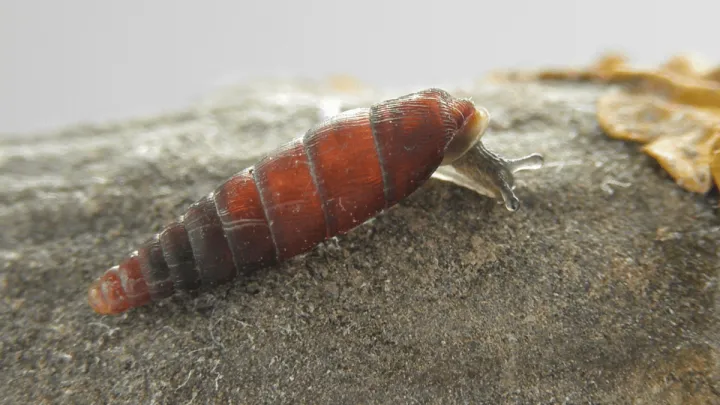
Clausilia is a genus of land snails belonging to the family Clausiliidae, which is part of the order Stylommatophora. These are small terrestrial gastropods characterized by an elongated, spindle-shaped shell that is typically sinistral (left-handed).
The appearance of these mollusks is quite distinctive: their shells feature a complex apparatus of folds and plates inside the aperture, known as the clausilium. This specialized organ, which acts as a door to hermetically seal the shell, gave the entire family its name.
Adult specimens typically range from 10 to 20 millimeters in length. The shell color is usually brown or horn-colored, which provides excellent camouflage among tree bark, leaf litter, and other garden debris.
These organisms prefer a cryptic lifestyle, avoiding direct sunlight. During the day, they remain hidden in narrow bark crevices, under stones, or deep within dense vegetation, becoming active only at twilight or during periods of high humidity.
The reproductive biology of Clausilia is closely linked to environmental moisture levels. Like many mollusks, they are hermaphrodites, allowing them to rapidly increase their population size when weather conditions in gardens and shaded park areas become favorable.
What it damages
In agroecosystems, Clausilia species act as non-specific pests. However, they most frequently damage ornamental plants, vegetable crops in greenhouses, and young saplings of fruit trees.
The primary damage is caused by the scraping of the epidermis from young leaves, shoots, and fruit. They use their radula (a tooth-bearing ribbon) to damage plant tissues, which leads to the appearance of unsightly spots and holes.
They pose the greatest threat to vegetable seedlings and the delicate petals of flowers in commercial nurseries. Severely damaged foliage loses its aesthetic value, and young sprouts can be completely destroyed during heavy infestations.
Damaging plant tissue creates entry points for fungal and bacterial infections. Wounds caused by these mollusks often become centers of rot, especially under the high-humidity conditions common in greenhouse environments.
Furthermore, they may feed on lichens and algae growing on tree bark. This indirectly harms the health of the tree by disrupting the natural microbial balance on the bark surface and potentially facilitating the spread of bark-related diseases.
When it appears
The activity levels of Clausilia are directly dependent on climatic factors. Their period of mass appearance typically begins with the arrival of spring warmth and stable humid weather, which coincides with the active vegetative stage of plants.
During the summer months, if drought conditions prevail, these pests enter a state of aestivation (a type of dormancy). They hide deep within the soil, building crevices, or under dense mulch layers, where they can maintain the moisture required for survival.
In the autumn, during rainy periods, a second peak in mollusk activity is often observed. During this time, they feed intensely to store energy for successful overwintering, which can result in damage to late-maturing vegetable crops.
Clausilia overwinter as either adult snails or eggs laid in sheltered areas. As temperatures drop, their metabolism slows significantly, and they enter a state of diapause, making them largely resistant to most contact insecticides.
The overall population dynamics of Clausilia are closely correlated with irrigation management in agricultural settings. Artificial excess moisture in the root zone creates perfect conditions for their reproduction throughout the entire growing season.
Signs of infestation
The primary sign of the presence of this pest is the appearance of specific slime trails—dried silvery ribbons of mucus on leaves and stems—which become visible after dew evaporates.
The presence of small, irregular holes on the edges of young leaves, combined with characteristic "scraping" patterns on the leaf surface that resemble fine scratches, indicates the grazing activity of the mollusk's radula.
If you inspect the site during the early morning hours, you may find the individuals themselves before they retreat into hiding. They are frequently discovered in leaf axils, under lower plant layers, or on the damp surface of mulch.
Gradual wilting and chlorosis of tissues near the damaged areas, often accompanied by mold development, confirm the pathological impact exerted by these gastropods.
If a mass concentration of small, elongated shells is observed in the crevices of tree bark, this is a clear warning sign of an overpopulated site, which requires an immediate response from the agronomist.
Control measures
Effective control of Clausilia requires a holistic approach that combines agrotechnical methods with biological and chemical plant protection strategies.
- Regular soil cultivation to destroy egg-laying sites.
- Removal of plant debris and weeds that provide shelter for the mollusks.
- Use of mulch consisting of abrasive or dry materials to hinder the movement of pests.
- Timely weeding and thinning of plantings to improve air circulation.
- Deployment of bait traps filled with fermented liquids to monitor and reduce populations.
Chemical protection involves the use of molluscicides based on metaldehyde, which should be applied in areas where pests congregate. It is essential to strictly follow application guidelines to avoid chemical residues on crops.
Biological control methods involve attracting natural enemies to the garden. Hedgehogs, ground beetles, frogs, and certain bird species are known to feed on Clausilia, making the promotion of these predators an effective strategy.
In greenhouses, installing physical barriers made of copper tape or applying powdery substances such as wood ash or lime creates inhospitable conditions, effectively deterring the mollusks from crossing into the protected zones.
Taxonomy
- Latin name
- Clausilia
- Order
- Molluscs
- Family
- Clausiliidae
- EPPO code
- CLULSP
Discussion
No discussions yet — be the first.