
Cis nitidus
Cis nitidus
Description
How to identify
Cis nitidus is a species of beetle belonging to the family Ciidae, often known as minute tree-fungus beetles. These insects are typically small, ranging from 1.5 to 3 mm in length.
The adult beetle has an oval-shaped, shiny black or dark-brown body, which distinguishes it from many other forest-dwelling insects of similar size.
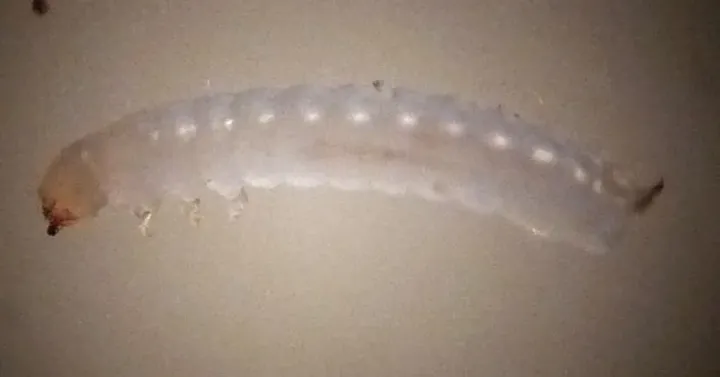
The larvae are whitish, soft-bodied, and segmented, equipped with specialized mouthparts designed for feeding on the tough tissue of woody fungi.
Males of this species often possess distinct cephalic horns or small tubercles, which are characteristic of many members of the Ciidae family.
Identification often requires careful examination under a microscope to differentiate them from other related species within the genus Cis.
What it damages
The primary food source for this species is the fruiting bodies of various polypore fungi (bracket fungi) found on decaying or living trees.
Larvae create intricate tunnel systems inside the fungus, which significantly compromises its structure and stops its development.
In forest ecosystems, these beetles contribute to the decomposition of deadwood but can be pests when they target fungi with medicinal or commercial value.
Storage of fungal materials can be severely threatened by Cis nitidus, as heavy infestations can lead to total destruction of the harvested product.
By consuming the internal tissues, they accelerate the decay of the fungal body, leading to the accumulation of frass and powdery debris.
When it appears
The adult activity usually begins in spring when temperatures rise, extending through the summer months until early autumn.
The peak emergence of adults and the main period for egg-laying typically occur during the mid-summer months.
The life cycle, including egg, larval stages, pupation, and adulthood, occurs almost entirely within the fungus, which serves as both food and shelter.
Overwintering usually takes place in the adult stage or as mature larvae, hiding within the woody substrate or dry fungal remains to survive cold weather.
The rate of development is highly dependent on ambient temperature, which affects the metabolic activity of the larvae and the duration of each life stage.
Signs of infestation
The most visible sign of an infestation is the presence of numerous small, perfectly round exit holes on the surface of the fungal brackets.
Often, a fine, brownish dust composed of frass can be found accumulating directly beneath the infested fungal bodies.
The fruiting body loses its structural integrity and feels crumbly or spongy when touched due to the extensive internal tunneling.
Adult beetles can sometimes be observed crawling on the surface of the fungi or hiding in the crevices of the host tree's bark.
- Small exit holes approximately 1 mm in diameter.
- Accumulation of fine, granular frass.
- Loss of firmness in the fungal fruit body.
Control measures
In forestry, the most effective management strategy is the sanitation and removal of infected wood and old, decaying fungal brackets.
Reducing the availability of old polypore fungi helps to break the beetle's life cycle and prevents population outbreaks in the area.
For stored fungal materials, maintaining cold storage or using controlled atmospheric treatments is essential to eliminate any life stages of the pest.
Physical destruction, such as burning highly infested fungal specimens, is a reliable method to prevent the spread of the beetles.
Monitoring programs using traps can help detect the presence of the beetle early, allowing for timely intervention before significant damage occurs.
Taxonomy
- Latin name
- Cis nitidus
- Order
- Coleoptera (beetles)
- Family
- Ciidae
- EPPO code
- CISXNI
Discussion
No discussions yet — be the first.