
Pigeon bug
Cimex columbarius
Description
How to identify
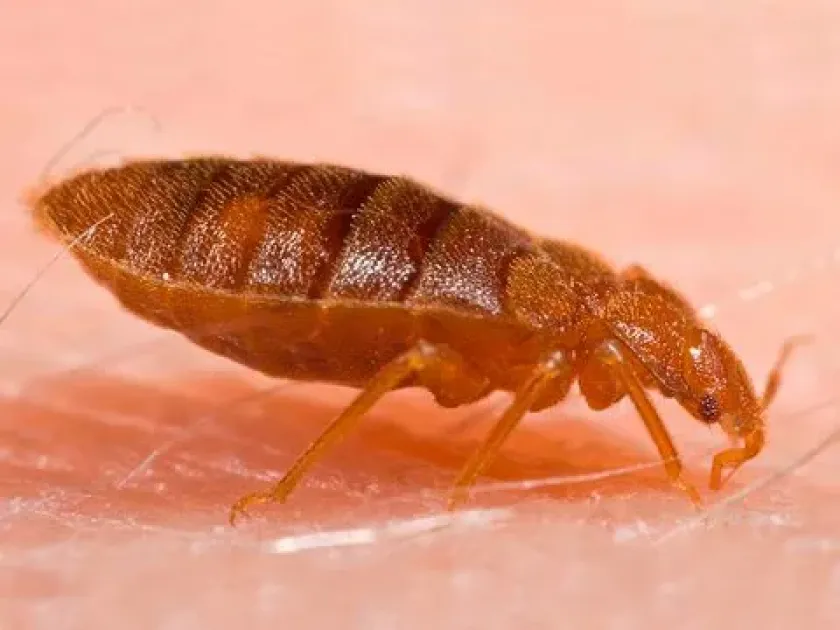
The pigeon bug (Cimex columbarius) is a small blood-sucking insect belonging to the family Cimicidae. It is morphologically very similar to the common bed bug, featuring a flat, oval-shaped body that ranges in color from light brown to deep mahogany.
Adult insects typically measure between 4 and 6 millimeters in length. Like other members of its family, the pigeon bug is wingless, but it is highly agile, capable of crawling rapidly along vertical walls and ceiling crevices to reach its host.
Nymphs resemble smaller versions of the adults and go through five distinct developmental stages (instars) before reaching maturity. Each stage requires at least one blood meal to proceed to the next developmental phase.
These insects are nocturnal, spending the daylight hours in secluded areas such as cracks in wood, nesting materials, and voids behind loft siding. They are experts at remaining undetected until a heavy infestation occurs.
They exhibit high survival rates during periods of starvation, allowing them to remain dormant in empty lofts for months, ready to re-emerge as soon as a new bird host is introduced into the environment.
What it damages
The pigeon bug is a specialized ectoparasite that primarily feeds on the blood of pigeons. When their primary host is unavailable, they have been known to feed on other avian species, including poultry and, occasionally, humans entering infested areas.
The main negative impact of an infestation is the continuous physical stress placed on the birds. Nighttime feeding disrupts the pigeons' natural rest cycles, leading to significant lethargy, weakened immunity, and poor overall physical condition.
Bites cause intense itching, local skin inflammation, and allergic reactions. In young squabs, repeated feeding can lead to severe anemia, which significantly impairs their growth and, in extreme cases, results in mortality.
These bugs can serve as mechanical vectors for various avian pathogens. They may harbor viruses and bacteria within their bodies, potentially transmitting diseases from infected birds to healthy individuals during their feeding process.
In a commercial or hobby loft setting, uncontrolled bug populations cause economic loss through decreased bird performance and the necessity for intensive, costly sanitation and chemical control programs.
When it appears
The activity of the pigeon bug is highly dependent on ambient temperature. While they can survive in a variety of conditions, they flourish in warm environments, with the peak breeding season occurring during the spring and summer months.
When temperatures drop below 15 degrees Celsius, their metabolic activity slows down significantly. In unheated lofts, they enter a state of dormancy, surviving the winter months until warmer conditions trigger the next cycle of reproduction.
In heated or indoor facilities where a stable microclimate is maintained, pigeon bugs can continue their reproductive cycle throughout the entire year. This makes year-round vigilance necessary for loft hygiene.
Under optimal conditions, the bug can complete its life cycle from egg to adult in approximately one month. This rapid generation turnover allows a small population to explode into a large-scale infestation within a single season.
Spring is the most critical time for monitoring, as the return of breeding activity in birds provides the bugs with the high-protein blood meals necessary to accelerate the production of the first seasonal generation.
Signs of infestation
The earliest indication of an infestation is often a change in the nocturnal behavior of the birds. If pigeons appear restless at night, constantly preening, or moving around the loft, it is a strong indicator of nocturnal parasite activity.
Inspectors should look for dark, ink-like spots in crevices, under nest bowls, and around perch mountings. These spots are the fecal matter of the bugs and often cluster in areas where the insects congregate during the day.
Large infestations often produce a distinct, sweet, and musty odor. This smell is produced by the bugs' scent glands and becomes increasingly noticeable as the density of the population within the loft walls increases.
Visible signs on the birds themselves include reddened skin patches or scabs where bites have occurred. Severe anemia in nestlings, characterized by pale skin and overall weakness, serves as a late-stage indicator of a heavy infestation.
Finding the insects themselves is the definitive sign of infestation. Carefully prying into cracks in the loft wood or lifting loose boards near nesting sites will typically reveal clusters of adults and nymphs of various sizes.
Control measures
The primary control strategy involves strict sanitation. All old nesting materials, dirty litter, and debris must be removed and destroyed by burning or bagging securely for disposal, as these act as the main reservoir for eggs.
Structural integrity is key to prevention. All cracks, holes, and crevices in walls, floors, and nesting boxes should be sealed with caulk or sealant. By eliminating hiding spots, the population's ability to recover is significantly hampered.
Chemical control is often required for established populations. The use of residual insecticides (such as pyrethroids) approved for poultry environments can effectively kill the bugs; however, it must be applied directly into the hiding sites.
A second treatment is frequently necessary 10 to 14 days after the initial application. This interval allows for the hatching of eggs that were present during the first treatment, ensuring all newly emerged nymphs are eliminated.
- Regular removal of old nesting materials.
- Sealing of all wall and floor crevices.
- Routine inspection of bird perches.
- Application of approved residual insecticides.
Taxonomy
- Latin name
- Cimex columbarius
- Order
- Hemiptera (bugs, aphids, leafhoppers)
- Family
- Cimicidae
- EPPO code
- CIMXCO
Discussion
No discussions yet — be the first.