
Bed bug
Cimex
Description
How to identify
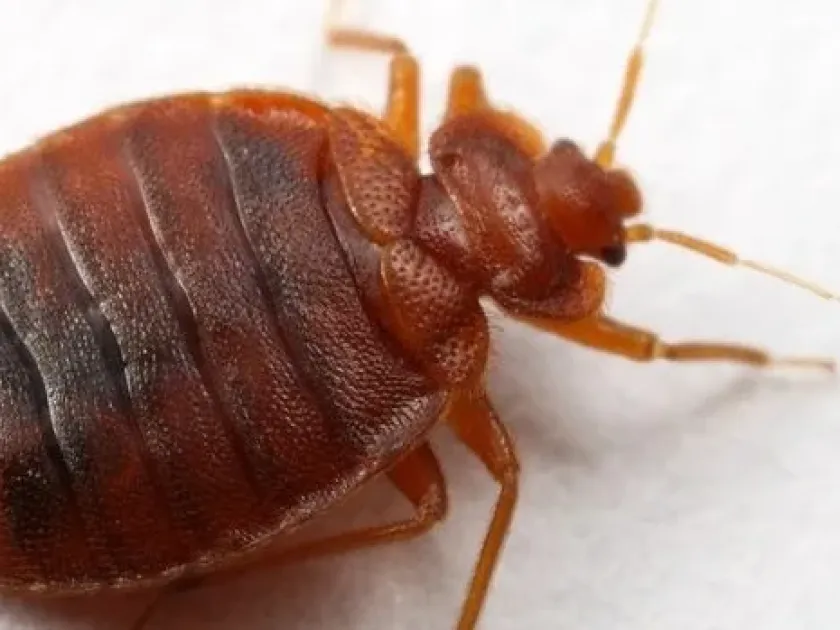
The bed bug, scientifically known as Cimex lectularius, belongs to the Cimicidae family and is strictly an obligate ectoparasite of humans.
It is not a plant-feeding insect and has no role in agricultural ecosystems or greenhouse environments.
Morphologically, bed bugs are wingless, flattened, reddish-brown insects with piercing-sucking mouthparts specialized for blood feeding.
Their life cycle consists of three distinct stages: egg, nymph, and adult, with all stages requiring blood meals to develop.
These insects prefer hidden, dark environments within residential or commercial buildings, avoiding sunlight and outdoor agricultural settings.
What it damages
Bed bugs do not cause any damage to agricultural crops, horticultural plants, or vegetation of any kind.
Unlike true bugs (suborder Heteroptera) such as stink bugs or plant bugs, they lack the physiology to process plant sap or tissue.
The confusion between bed bugs and agricultural pests often stems from the broad common name "bug," which in agricultural contexts usually refers to phytophagous species.
True agricultural pests inject salivary enzymes into plant tissues, causing stunted growth, leaf spotting, or fruit malformation, none of which are caused by bed bugs.
Because they are not herbivorous, there is zero economic impact on farming production associated with this specific species.
Control measures
Agricultural pest management strategies, such as spraying broad-spectrum insecticides on crops, are inappropriate and ineffective against bed bugs.
Controlling bed bugs requires professional indoor pest control services, including integrated pest management (IPM) techniques for domestic environments.
Farmers and gardeners should focus their efforts on monitoring true plant-feeding insects using traps or field scouting rather than concerning themselves with indoor household parasites.
Mechanical methods like vacuuming, steam cleaning, and heat treatments are standard for residential control but have no application in field crop protection.
- Correct identification is essential.
- Agricultural chemicals should only be used for documented phytophagous pests.
- Always consult local extension services for crop protection advice.
Taxonomy
- Latin name
- Cimex
- Order
- Hemiptera (bugs, aphids, leafhoppers)
- Family
- Cimicidae
- EPPO code
- CIMXSP
Discussion
No discussions yet — be the first.